


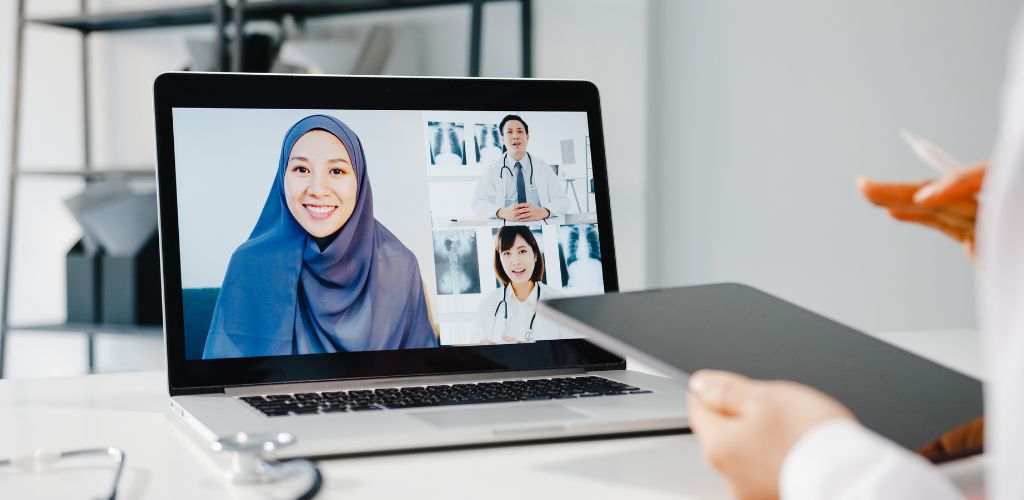
Digital healthcare is starting to help people in Asia who have had trouble getting medical care for a long time. This change is very important for Indonesia. There are a lot of people in the country, and they live on thousands of islands. There aren’t enough doctors in every place. Many people still have trouble getting to the hospital or a specialist on time. This affects people’s health, how much work they get done, and how much money they spend.
Digital healthcare is beginning to dismantle these barriers. Patients can talk to doctors from a distance more easily, deal with long-term illnesses better, and get help with their mental health. Indonesia shows Asian governments and businesses how digital health in developing countries can go from being used in small tests to being used every day.
The Access Gap Driving Digital Healthcare Adoption
There are a lot of experts in big cities, but not enough in small towns and the countryside. Patients often have to travel long distances just to see a doctor, which means they miss work and have to pay more.
Digital health care helps to close this gap. Patients can talk to doctors more easily with mobile apps and online consultations. If you talk to someone early, things won’t get worse and you won’t have to go to the hospital as often.
This is good for the economy. If workers get treatment on time, they are less likely to miss a lot of work. Families also don’t have to pay for medical care that is delayed and costs a lot.
Telemedicine in Asia: Indonesia Within a Regional Trend
During the pandemic, telemedicine in Asia grew, and it has kept growing since then. This shows that the need won’t go away right away. Many people nowadays prefer to consult a doctor online rather than at a physical clinic.
In Indonesia, the Halodoc and Alodokter apps help people find doctors, pharmacies, and lab services. This model is becoming more common in some Asian countries where health resources aren’t evenly distributed.
This is a combination of two systems. Patients can talk to a doctor online to get started. Then they can go to the office if they need more help. This lets hospitals focus on the most serious cases while still letting people get medical advice quickly.
How Digital Health in Developing Countries Fixes Structural Problems

Digital healthcare often does more than just make things easier in developing countries; it also fixes problems with the system. Indonesia is a good example of this.
Taking Better Care of People Without Building New Hospitals
It takes a lot of time and money to build hospitals on islands that are far away. Digital consultations make it easier to add services. You can handle regular cases, follow-ups, and prescription renewals online. This saves patients time and money on getting there. It also helps hospitals focus on the patients who really need medical care.
Helping with Preventive and Long-Term Care Management
High blood pressure and diabetes are two long-term disorders that are growing increasingly widespread in Asia. You should check these items out regularly. A lot of folks don’t attend to follow-up appointments because the clinics are too far away. Digital healthcare makes it easy to check on patients on a frequent basis. This helps preventing illnesses from growing worse and means fewer visits to the ER.
Better Planning for the Health Care System
Digital consultations tell us what patients require and how many services they desire. Governments may utilize the information to plan better how to spend resources and uncover service shortages, as long as it remains private. This is a good change for developing countries who don’t have very good data infrastructures.
Mental Health Care: Important Progress That Isn’t Loud
Indonesia still doesn’t have adequate mental health treatment for everyone. There aren’t enough psychiatrists for the number of people, and many people don’t get help in person because they are afraid of what others will think.
Digital mental health care services include things like online therapy, chat support, and tools for self-evaluation. These upfront services provide a more private and easy approach to seek support. For younger people, getting help online can be less scary than going to a doctor’s office.
This has a bigger impact on the economy. People who are mentally ill may not be able to work as much or as well. Digital platforms can help people get help faster, but they can’t replace full psychiatric care. They may prevent further damage and save society money.
Trusting Digital Care Policies
As digital healthcare expands, regulations become increasingly vital. The government must ensure that patients may securely communicate with physicians online and that doctors obey the guidelines. Clear guidelines may help physicians and patients get along. Telemedicine and digital health services are regulated by the Indonesian Ministry of Health. These guidelines alter platform functionality and patient safety.
Clear rules also attract investors. Companies and investors are more likely to do well in markets where the rules are clear and safety for patients is the most important thing.
How does it affect businesses, customers, and insurance?
Digital health care is changing the way different parts of the health care system work with each other. Digital platforms make it easier for hospitals, pharmacies, insurance companies, and technology companies to work together.
The best thing for customers is that they can get first-rate medical advice and medicine delivered more easily. Teleconsultations can help insurance companies save money by getting people to see a doctor sooner. Hospitals can also better control the flow of patients by screening out non-urgent cases online.
Indonesia’s progress in the area shows that Asia is becoming more important in digital health innovation. Things that work in Indonesia’s difficult geography might also work in other developing markets that have the same problems.
Problems That Still Need to be Fixed: Fairness and Infrastructure
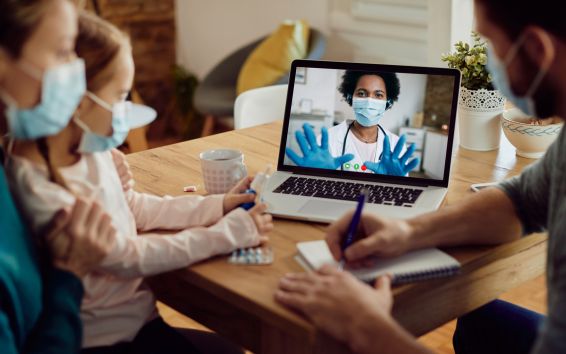
Things are getting better, but there are still some issues. In some places, the Internet is still not available to everyone, which makes telemedicine less reliable. Some communities may still be left behind if digital infrastructure doesn’t get better.
Another issue is trust. Patients should be sure that the physicians they chat to online are certified and that there are obvious avenues to receive care for critical ailments. To make sure that clinical standards stay the same, long-term adoption is necessary.
Data privacy is another concern that is growing. Patients need to be able to trust you as more health information goes online. To do this, you need to have strict rules and clear ways to handle data.
What Indonesia’s Story Means for Asia
As Indonesia shows, digital healthcare can help health systems grow in new Asian economies. Countries with a lot of people but not enough experts have similar problems with their institutions. You can gain additional coverage right immediately using digital technologies, without needing to wait for huge infrastructure improvements to finish.
One of the best things about it is that you can get health treatment. When individuals receive treatment sooner, they work harder, health care expenses go down, and the economy expands more steadily. Digital health care also helps governments keep within their budgets while offering additional services.
Final Take: A Good Change in How Health Care is Given
Digital healthcare is not replacing normal medical treatment in Indonesia. Instead, it is making them reach more people. Telemedicine, digital chronic care support, and online mental health services are helping to close long-standing gaps in access in a country that is hard to get around.
The impact on society and the economy is big, but it happens slowly. Earlier treatment, better disease management, and easier access to mental health services have all made workers healthier and homes more stable. Digital healthcare can be a big part of national health systems, and Indonesia is a good example of this for other Asian countries that are still developing.