

Community-based physical activities are becoming more popular in the Philippines, which is indicative of a change in the way Filipinos view social interaction, wellness, and health. More people are congregating in public areas to work out together in both urban and rural areas, thanks to rising health consciousness, easily accessible facilities, and a strong sense of community. This increasing involvement demonstrates how fitness is evolving across the country as a shared social activity and lifestyle choice.
Weekend Runs and Marathons
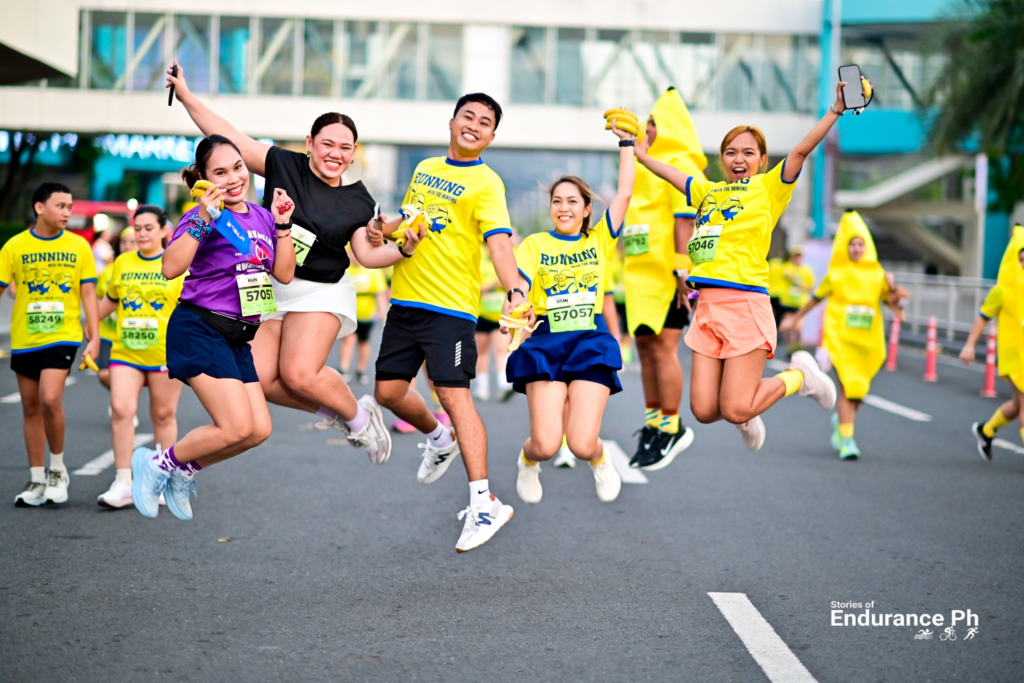
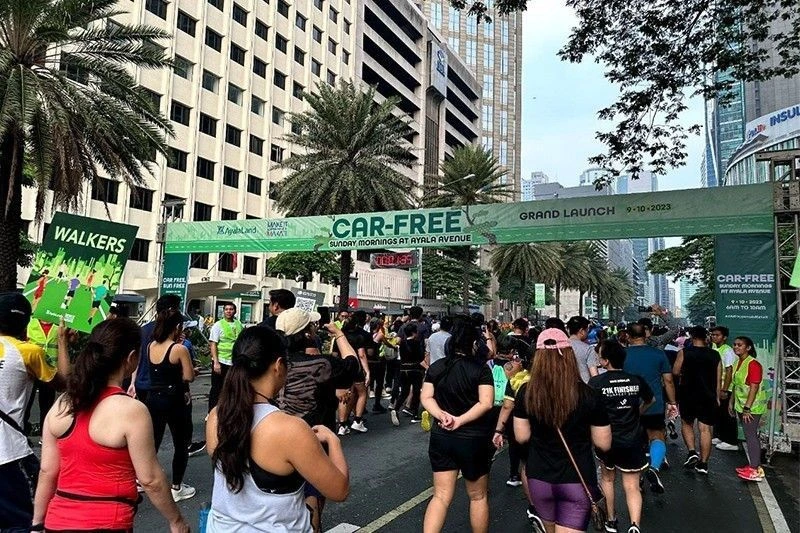
Running continues to be at the forefront of this movement. Fun runs, marathons, and running communities have been on the rise, especially in major cities such as Manila, Cebu, and Davao. These activities appeal to Filipinos because they are inexpensive, convenient, and open to people of all fitness levels. Running communities can easily be organized through social media sites, which also serve as a venue to share tips and information about upcoming events. An example of this is Makati’s Car-Free Sundays program along Ayala Avenue, usually held from 6:00 AM to 10:00 AM. During this time, the central business district is transformed into a pedestrian-friendly space for jogging, cycling, and wellness activities. The designated route includes Ayala Avenue, Makati Avenue, and Paseo de Roxas, and frequently hosts running clubs, pet-friendly areas, and nearby cafés for participants. Running has become more than just a form of exercise for many people; it has become a source of discipline, stress relief, and camaraderie.
Rise of Pickleball
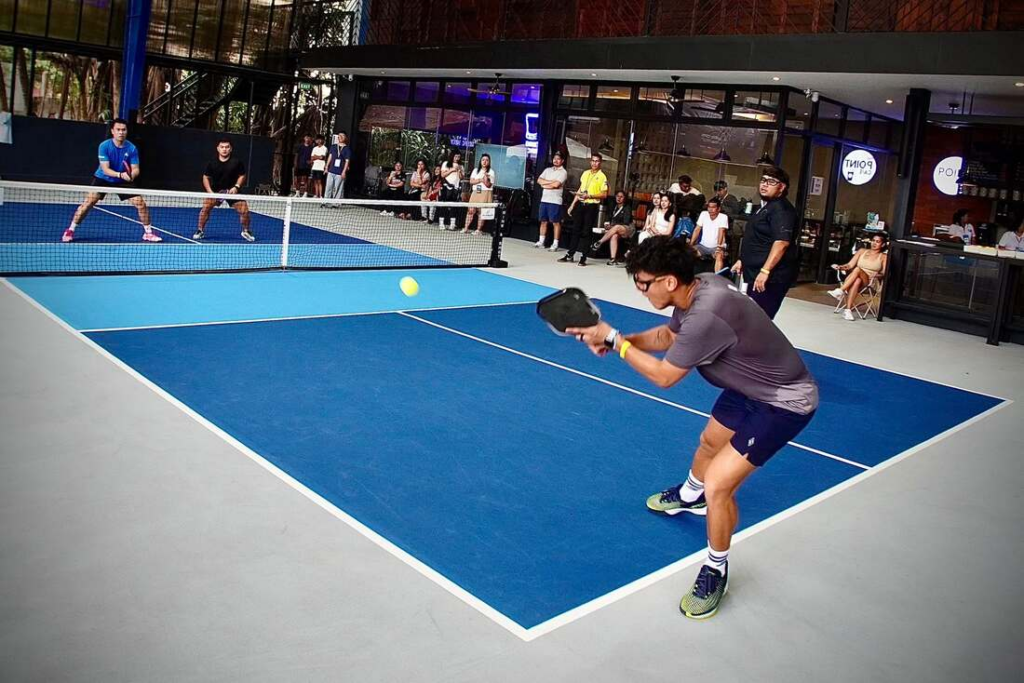
Another sport that is also gaining popularity is pickleball, which has experienced a tremendous rise in popularity over the past few years. This sport is easy to learn and requires minimal physical exertion, making it an attractive option for beginners, seniors, and families. The increasing number of pickleball courts in residential areas and sports facilities indicates a rising need for sports that are both recreational and social in nature. Pickleball has been introduced to the wider public through local sports clubs and communities, leading to its increasing visibility in the Philippine sports arena.
Apart from sports, group fitness activities like dance classes, cycling clubs, and outdoor fitness classes have also gained prominence. Fitness activities such as Zumba and aerobics are popular in barangays and public squares, reflecting the Filipino affinity for music, dance, and social participation. These activities are either free or very inexpensive, making fitness more accessible to the masses. What makes this movement distinctly Filipino is its focus on unity. Fitness activities are not just about getting fit but also about bonding. This is because fitness activities in the Philippines are not just limited to individuals getting fit but also about bonding as a community.
To end, the emergence of community fitness in the Philippines is a reflection of the cultural shift towards an active and connected lifestyle. As more people join the movement, it is likely that this will influence the future of health and wellness in the Philippines, and the notion that staying active is a collective experience will be reinforced.
Read more Asia news on RiseAsia.com