
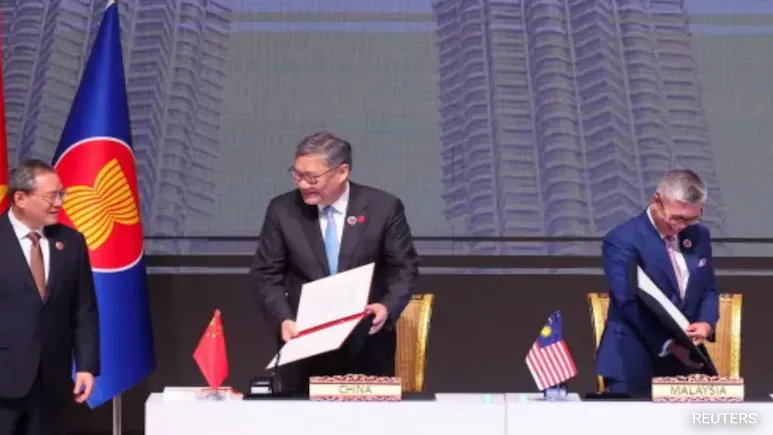

The trade between China and ASEAN reached more than 1 trillion dollars in 2025 which marked a historical economic milestone for their partnership. The relationship between these two parties started with tariff reductions but it have developed into a “3.0” era which emphasizes digital connections and environmental sustainability and standardized electronic payment methods. The Regional Comprehensive Economic Partnership (RCEP) has created stronger ties between both parties but their relationship remains fragile. The Philippines must handle the “Fifth Anniversary of the China-ASEAN Comprehensive Strategic Partnership” during its ASEAN presidency while the South China Sea Code of Conduct (CoC) negotiations reach a critical point that will determine their success until the scheduled completion date in July 2026.
Its effects
The trade modification produces both positive and negative effects on the Philippines. China continued to function as the primary import source for the country in 2025 when it accounted for 28% of all incoming goods. Filipino enterprises increasingly rely on Chinese products which include tools and fertilizers and steel because these items cost at least 10% less than items from other sources. The Philippines suffers from structural weaknesses because its main export commodities to China consist of electronics and raw minerals. The IMF expects GDP growth of 6.1% for 2025 and 2026 but the prediction becomes less reliable because of selective sanctions. The Philippines faces a potential loss of $6 billion through a planned trade slowdown which would endanger about 250000 jobs throughout the electronics regions of CALABARZON and the mining sections of Mindanao.
How it will affect SMEs
Filipino Small and Medium Enterprises (SMEs) feel this dependence the most because they are the backbone of the economy but also have the least amount of cash to handle shocks. A lot of small businesses have switched to China as their main market for agricultural products, like Davao’s banana industry, or as their only source of cheap materials for making things in their own countries. The “China-ASEAN Free Trade Area (CAFTA) 3.0” was meant to make it easier for these small businesses to do business across borders. However, it has made them more dependent on Chinese platforms and services. For a SME, a 50% drop in trade isn’t just a “scenario”—it’s a terrible loss of money because they can’t find another buyer right away. This means that they often have to close right away, which causes underemployment in rural areas.
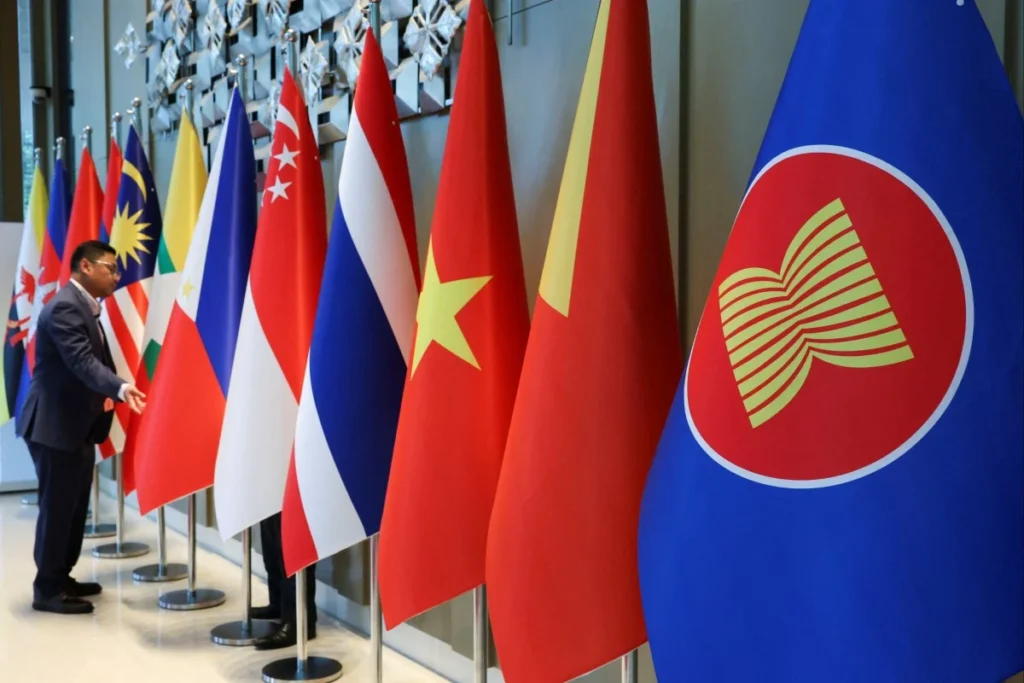
The Philippines is likely to use a “Tinikling Strategy” in the future. This is a quick, high-stakes dance that involves expanding trade while keeping important diplomatic lines open. In 2026, the government will likely push hard for “outward adaptation,” which means trying to close the trade gap with Japan and other ASEAN countries. Businesses should be ready for more instability, even though the July date for the South China Sea CoC may provide a framework for stability. It’s more likely that people will focus on finding new ways to get important things like steel and fertilizer, so that the country’s economy can keep growing even if the political song stops.