

Thailand’s manufacturing industry is entering a new phase of transformation. The country is now accelerating automation, upgrading supply chains, and repositioning itself realigning themself with global trade.
Thailand is shifting to a more important industrial hub as global manufacturers move their production to different places and at the same time build up their regional supply networks. The industry is now changing.The industry now includes building electric vehicles, processing food and making smart electronics.
The question then remains if Thailand can adapt to the rapidly shifting global manufacturing landscape.
Thailand’s manufacturing base
Manufacturing makes up a large part of Thailand’s GDP and jobs. Important parts are:
- Cars and parts for cars
- Electronics and appliances that use electricity
- Petrochemicals
- Agribusiness and food processing
- Parts and tools for machines and factories
The Thai exports sector is still a major industrial growth these days especially in high value areas. This is because Thailand has strong trade ties with China, Japan, the United States, and its ASEAN neighbors.
At the same time business doesn’t only grow but improve because of the rising labor costs,problems with the supply chain, and competition from Vietnam and Indonesia.
Smart Manufacturing and Factory Automation
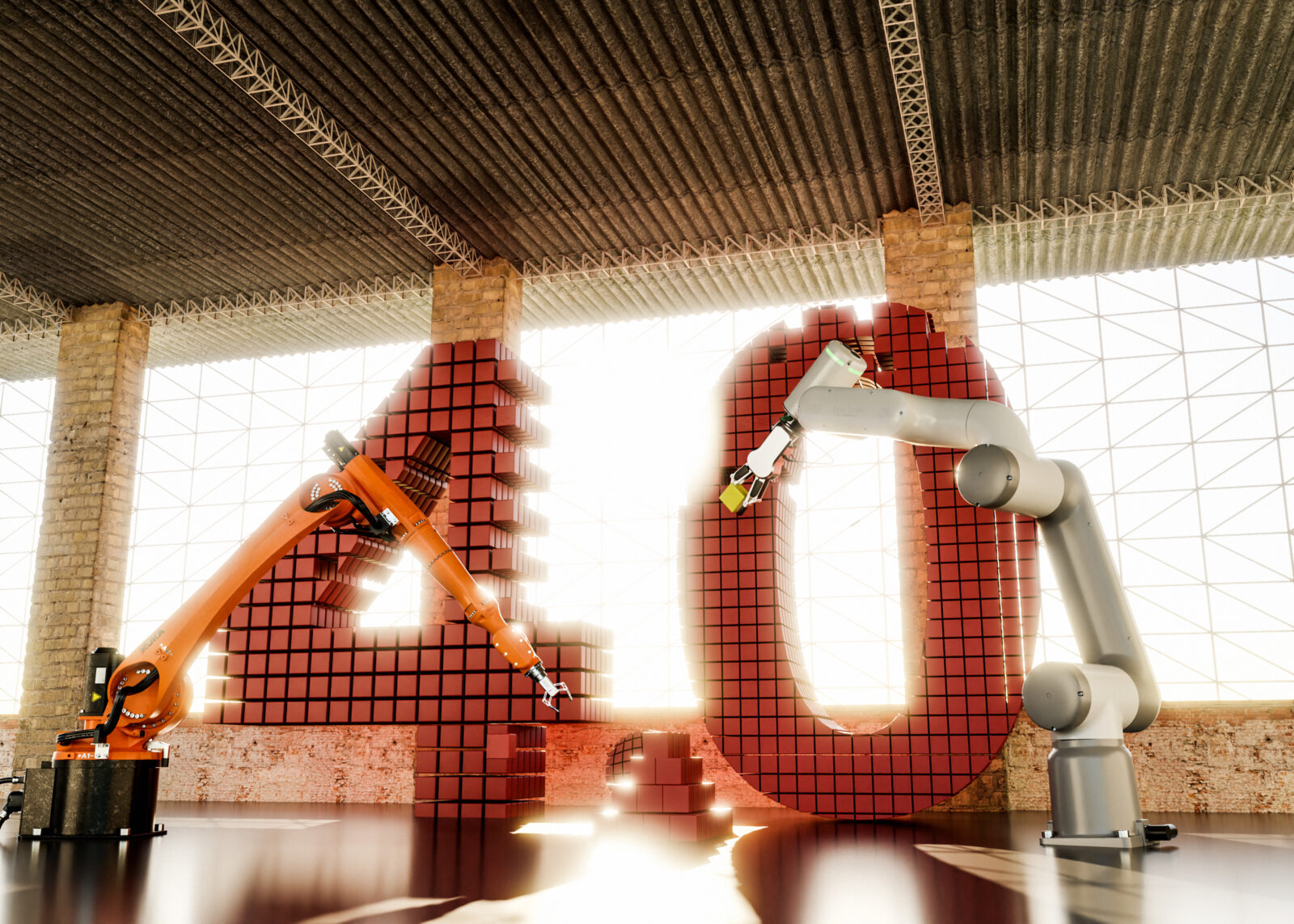
Factory automation is rising in Thailand which is the biggest change in the manufacturing industry.
Companies are investing into:
- Robots and automated assembly lines
- Quality control systems that use AI
- Monitoring of the Industrial Internet of Things
- Management of production in the cloud
Two things are pushing Thailand to adopt factory automation:
- Improvements in worker productivity
- Customers around the world want more accuracy and traceability.
Exports these days are more reliable due to the fact that smart factories are cutting down on production which is very important for Thailand to stay competitive in regional supply chains.
Not just big companies are adopting Industry 4.0; mid-sized businesses are also starting to modernize their operations.
EV Manufacturing Thailand: A Strategic Shift
Moreover, Thailand’s automotive sector is also going through its transformation after many decades.
Because of the “Detroit of Asia” Thailand has specialized in internal combustion engine vehicles. But now EV manufacturing is expanding with the support by:
- Government incentive programs
- Battery assembly investments
- Foreign direct investment from Asian and European automakers
- Charging infrastructure expansion
This shift strengthens repositioning Thailand within the global automotive value chain.
Beyond vehicle assembly, Thailand is working to localize:
- Battery components
- Electronic control systems
- EV parts supply networks
If successful, this transition will protect Thailand’s automotive workforce while creating higher skilled technical roles.
Electronics and High-Value Exports
Electronics remains another backbone of the Thailand manufacturing industry.
The country exports:
- Hard disk drives
- Integrated circuits
- Home appliances
- Industrial electronics
Thailand trade flows have been reshaped through the Global demand for semiconductors and digital devices. Thailand’s ability to integrate into hightech supply chains depends on:
- Advanced manufacturing capabilities
- Skilled engineering talent
- Stable trade relationships
This connected Thai export sectors to ASEAN markets with China and South Asia.
Moving up the value chain remains the long-term strategy.
The Role of the Eastern Economic Corridor (EEC)
The Eastern Economic Corridor (EEC) takes up a huge part in Thailand’s industrial growth.
The EEC is a high tech industrial zone that is spread out over Chonburi, Rayong, and Chachoengsao. Its main goals are:
- Automotive of the next generation
- Smart electronics
- Aviation and shipping
- Biochemicals and biofuels
- Robotics
The EEC has infrastructure benefits like:
- Ports in the deep sea
- Connections to high-speed rail
- Better access to the airport
- Digital infrastructure
The Eastern Economic Corridor attracts foreign investment and encourages the transfer of technology and the improvement of industries.
The EEC is a long-term plan for Thailand to stay competitive, not a short-term plan to boost the economy.
Food Processing and Agro-Industry Strength
Thailand’s strongest manufacturing is still the food processing industry.
Thailand is one of the world’s top agricultural exporters. It has used its strong supply of raw materials to make high-value foods like:
- Seafood that has been processed
- Rice products that come in packages
- Poultry that has been frozen
- Meals that are ready to eat
Automation is also becoming more common in this field, which is making food safer, making it easier to export, and improving global brand positioning.
Thailand’s agro-industrial capability is still a strategic asset because demand for food security is growing around the world.
Regional Supply Chain Realignment
Companies are now shifting to production models that focus on various countries. Therefore, supply chains around the world are changing.
Thailand gets:
- Stable politics in trade relations
- Industrial ecosystems that already exist
- Built up port infrastructure
- Strong groups of cars and electronics
Thailand’s role as a central production node is even stronger because of ASEAN integration.
But the competition is getting tougher. Electronics companies are investing in Vietnam, and Indonesia is expanding its mineral processing operations downstream.
Thailand’s ability to compete will depend more and more on how productive its workers are, how quickly it adopts new technologies, and how many skilled workers it has.
Workforce and Skills: The Next Industrial Frontier
To move up in the industrial world, you need to change your workers.
- As automation grows, the need for robotics engineers grows including:
- People who look at data
- Technicians in industry
- Experts in EV systems
How well universities, technical colleges, and businesses work together affect how quickly Thailand can improve its advanced manufacturing skills
Why Thailand’s Manufacturing Outlook Remains Positive
Thailand’s manufacturing industry outlook for 2026 remains constructive, despite global uncertainties.
Key strengths include:
- Diversified industrial base
- Strategic ASEAN location
- Strong export infrastructure
- Proactive industrial policy
- Growing EV ecosystem
The shift is not about expanding factory volume alone, but it is about upgrading value.
Thailand is moving from cost-based competitiveness toward technology-driven manufacturing leadership.
What It Means for Businesses and Investors
For regional businesses, Thailand offers:
- Reliable export logistics
- Mature supplier ecosystems
- Skilled workforce availability
- Expanding smart manufacturing adoption
For investors, sectors to watch include:
- EV supply chains
- Industrial automation providers
- High-tech electronics manufacturing
- Advanced food processing
The evolution of the Thailand manufacturing industry signals long-term structural growth rather than cyclical recovery.
Conclusion: From Production Hub to Smart Manufacturing Leader
Overall, Thailand manufacturing outlook 2026 remains positive. While global uncertainties continue, the country’s industrial foundation is strong.
Automation is improving productivity. EV expansion is modernizing the automotive sector. Furthermore, the Eastern Economic Corridor strengthens Thailand’s long-term competitiveness.
Of course, challenges remain. Competition within ASEAN is intensifying, and technology adoption requires skilled labor. Nevertheless, Thailand is adapting through policy support and private sector investment.
In the coming years, success will depend not only on production volume but also on innovation, efficiency, and supply chain resilience.
For businesses and investors, this signals steady structural growth rather than short-term recovery.
FAQs
What are the main sectors in Thailand’s manufacturing industry?
Automotive, electronics, food processing, petrochemicals, and machinery are among the key pillars.
How is automation affecting Thailand factories?
Thailand factory automation improves productivity, export reliability, and competitiveness in global supply chains.
Why is the Eastern Economic Corridor important?
The Eastern Economic Corridor drives high-tech investment, infrastructure upgrades, and long-term industrial modernization.
Want More Business Insights?
Stay updated with the latest business trends, SME strategies, and digital transformation insights in Thailand by exploring more articles on RiseAsia.
You may also enjoy reading our related article on riseasia.com/category/work-industry/ where we cover the latest developments in sector growth, workforce transformation, and enterprise innovation.