

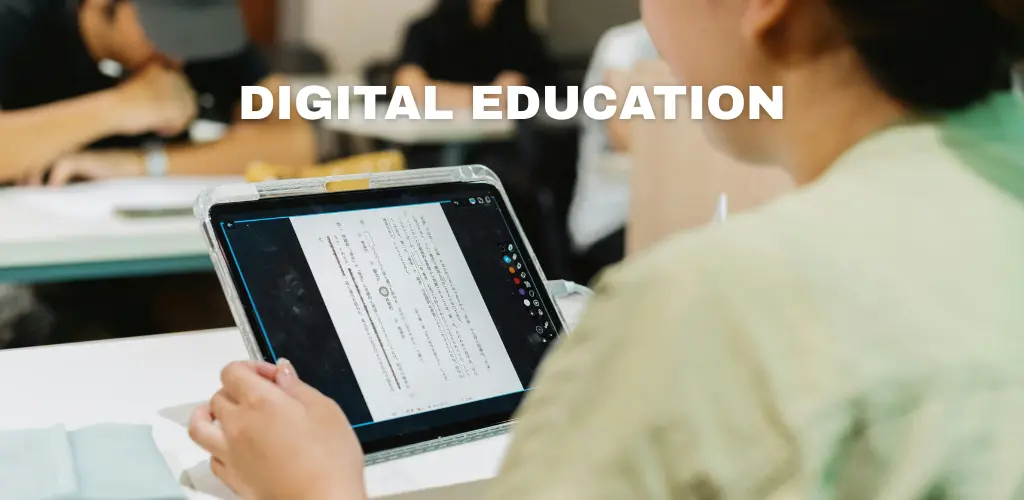
There has been a lot of shift in the last few years in the way people talk about digital education in the Philippines. What began as a simple fix for problems has developed into a greater change in how schools throughout the country teach.
Digital classrooms, hybrid learning systems, and programs to assist instructors get better at what they do are all changing how public schools run. More importantly, they are building up the country’s long-term human capital base, which is very important for economic growth and making the workforce more competitive.
As the Philippines tries to make its digital economy better, education reform is becoming one of its most significant investments.
The rise of digital transformation in the Philippines’ public schools
The Philippines has one of the largest public school systems in Southeast Asia. There are millions of students in both urban and rural areas, thus improving education on a large scale involves both infrastructure and policy cooperation.
Over the past few years, DepEd’s technology inititatives have been focused on:
- Making it easier for public schools to get online
- Setting up tools for digital learning
- What are LMSs, or Learning Management Systems?
- Turning learning resources into digital files
- Showing teachers how to use digital technologies
Even while the figures from DepEd show that implementation is still uneven in some places, the trend is clear: digital adoption is becoming a permanent feature of the national education policy.
This development is in line with what is happening in all of ASEAN, as governments are strengthening online learning systems to defend education systems in the future.
Hybrid Learning Philippines: A Short-Term Fix That Works for the Long Term
When schools were shuttered, the Philippines first employed hybrid learning methods, which mix in-person and online schooling. Now, they are seen as a tool for long-term change instead than a quick remedy.
Hybrid systems can help schools do the following:
- Make lessons more adaptable
- Make it easier to find more digital content
- Use several types of media to make kids more active.
- Teach kids how to utilize technology as soon as possible.
Hybrid learning can aid communities that are far away by adding digital materials to their limited physical resources.
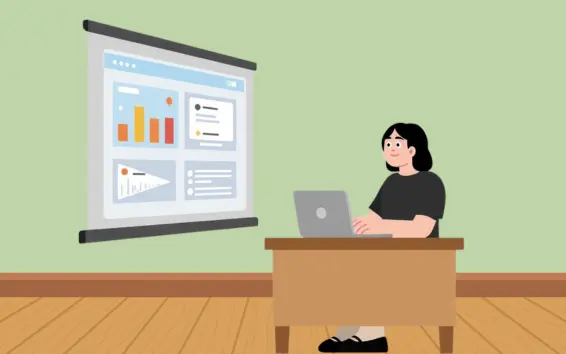
What are the benefits in the long run? Students develop both intellectual and technical abilities, which is a double benefit in a job environment that is fast growing digital.

Digital Classroom Philippines: Making the Infrastructure for Growth
A lot of money needs to be invested on infrastructure to make the digital classroom Philippines project bigger. Some of the most crucial sections are:
- Making connections better
The most crucial thing is still broadband that works. Partnerships between the government and businesses are vital for making connectivity happen faster, especially in rural and island locations.
2. How simple it is to access the gadget
There are more programs that give out tablets and computers, but making sure that everyone has the same access is still a work in progress. It will be very vital to manage the lifecycle of gadgets in a way that is good for the environment in the long run.
3. Learning Platforms
Centralized LMS systems and cloud-based platforms make it possible to standardize the curriculum while also letting teachers choose how to teach it.
4. Keeping data safe and protecting against cybercrime
Cybersecurity is becoming more and more important as schools publish tests and documents online.
Schools’ digital infrastructure isn’t just a tool to improve education; it’s also a way to make the country more competitive.
The Human Side of Reform: Helping Teachers Get Better
Change doesn’t happen just because of technology. How ready teachers are has a lot to do with how well public school digital transformation PH works.
Recent initiatives to train teachers have been focused on:
- Making digital lessons
- How to use an LMS
- Running a classroom on the internet
- Using data to grade kids
Ongoing professional development ensures that digital tools facilitate rather than complicate education.
Investing in teachers’ skills strengthens the whole school system and makes sure that reforms last.
Why Digital Learning Matters for the Philippine Economy
The Philippines is getting ready to be a huge deal in:
- Business Process Outsourcing (BPO)
- IT Services
- Creative areas
- Shopping online
- New businesses in the digital world
A population that knows how to use technology directly supports these areas.
The country strengthens itself by teaching digital skills early on in public schools.
- Getting ready for work
- The ability to come up with new ideas
- The skill of being an entrepreneur
- How competitive the area is
Countries that adapt their schools to the needs of the digital economy tend to see productivity grow quicker over time.
Digital education reform in the Philippines isn’t only about schools; it’s also about making the economy stronger in the long run.
Bridging the Digital Divide Between Cities and the Countryside
The existing inequalities between urban schools and rural schools continue to persist despite improvements in other areas. Implementation of procedures remains difficult because organizations face three main obstacles which include infrastructure problems and inconsistent internet access and insufficient resources.
To bridge this gap, we need to:
- Getting the internet to rural places faster
- Public and private sector partnerships for digital infrastructure
- Teacher training centers in different parts of the country
- Programs in the community that teach people how to use computers
One of the main goals of national development is to make sure that everyone can use digital technology.
ASEAN Context: The Push for Digital Learning in the Area
Governments in Southeast Asia are making digital learning frameworks a primary priority. Singapore and Malaysia have excellent digital school systems, while Indonesia and Vietnam are trying to make EdTech more widely available.
The Philippines will be able to compete better in the area when it comes to developing talent if it spends a lot of money on online learning infrastructure.
Policies, financing, and personnel from diverse sectors must all stay the same for things to keep moving.
The Road Ahead: From Access to Digital to Excellence
The next step in the process of change will likely be to focus on:
- AI-based adaptive learning techniques
- Data analysis to keep track of how well students are doing
- Putting together the national digital curriculum
- More digital STEM modules
- Schools and universities should have better digital connectivity.
The major change milestone is going from basic access to better digital learning tools.
Why This Change Will Lead to Long-Term Progress
It can take awhile for changes to schooling to show results. But early evidence show that digital integration is transforming how public schools in the Philippines work.
The bigger image is made up of:
- More freedom in the workforce
- More participation in the digital economy
- Schooling that is more resilient
- More equal access to learning tools
Building up its digital education infrastructure is the first step toward long-term economic growth for a country with a young and active population.
What happens in classrooms now will have an impact on businesses tomorrow.
To sum up
The Philippines digital education programs involve more than new technology because their design purposefully prepares citizens for upcoming developments.
Public schools now demonstrate increased adaptability and strength while achieving their economic objectives because hybrid learning methods have developed and digital classrooms have become widespread.
The ongoing school renovations demonstrate that the nation works toward its larger objective of providing the next generation with technology access which enables them to thrive in Asia’s changing economy.
Read more Philippine new on riseasia.com.
1. What is digital education Philippines reform focused on?
It focuses on integrating technology into public schools through hybrid learning, digital tools, teacher training, and infrastructure upgrades.
2. Why is hybrid learning important in the Philippines?
Hybrid learning increases flexibility, improves access to digital materials, and strengthens students’ digital literacy skills.
3. How does digital education support economic growth?
It develops a digitally skilled workforce, supports innovation sectors, and enhances national competitiveness in the digital economy.