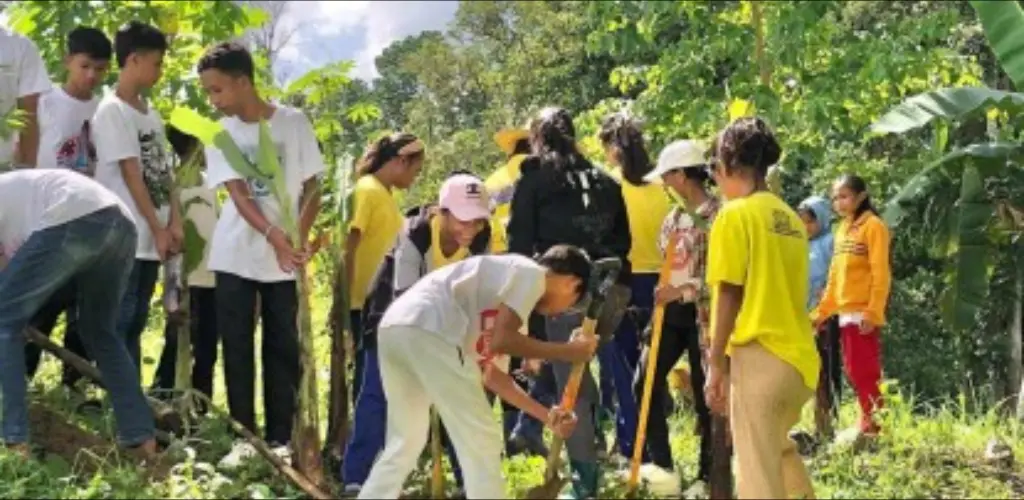
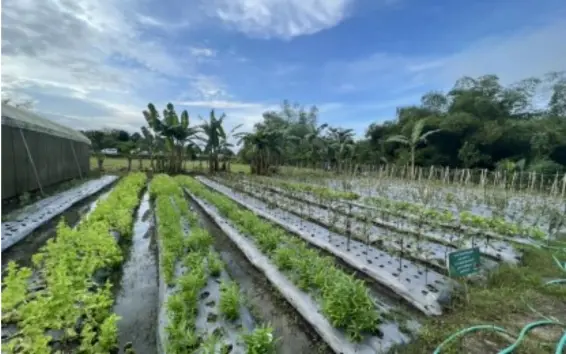
Farm schools in the Philippines are becoming more well-known as useful instruments for improving rural areas. They teach in the classroom and then do real farming. While they are in school, students farm crops, take care of animals, and run small businesses.
It is a model based on participation, not theory. This method is helping young Filipinos in many provinces see farming as a business, not just a last resort. The idea is still attractive, but its long-term effects depend a lot on local government cooperation.
Farm schools are different from regular agricultural programs since they include hands-on learning.
Students:
This model gives entrepreneurs more confidence. Earning money is intimately linked to learning. That change is important in rural areas where farming generally has low profits and little room for new ideas.
But farm productivity doesn’t happen in a vacuum. It depends on things like irrigation systems, road access, and market links, which are mostly controlled by local governments. The skills learned in farm schools can only go so far in the real world without those underpinnings.
In the Philippines, strengthening rural entrepreneurship needs more than just farming skills.
Farm schools teach kids about:
These are useful tools.
But graduates still depend on local ecosystems when they leave the training environment. New businesses can only survive if they have access to farm-to-market routes, cold storage facilities, and dependable buyers.
When local governments aggressively connect farm schools to city agricultural programs, the results get better. When coordination isn’t good, graduates typically have to deal with the same old problems with structures.
Training may give people power. Policy sets the limits on scalability.

Agriculture is still a big employer in the Philippines. Food security and poverty reduction depend on increasing production.
Many agricultural training programs now meet TESDA certification standards, which makes farm schools more credible.
This makes it easier for workers to move around and helps agribusiness education in the Philippines. But for agricultural modernization to work, everyone has to work together.
For instance:
When training and local infrastructure don’t work together, the effects are still scattered.
Farm schools are making people smarter. Local governments need to make the environment possible.
There are clear multiplier effects in provinces where farm schools get a lot of support.
Most of the time, graduates:
Money moves about throughout the area.
Stability gets better when city governments connect farm schools to institutional buyers, such hospitals or food programs.
That stability is very important.
Small producers are still at risk of price changes because they don’t have guaranteed buyers or coordinated supply chains.
LGU involvement is typically what makes the difference between stagnation and growth.
More and more, farm schools educate practices that add value.
Students learn how to:
Value-added agriculture helps rural areas make more money. But processing plants, following food safety rules, and moving food around all need help from the government and infrastructure.
This is where municipal governments come in again and make a big difference.
If towns make it easier to get licenses and help small processing units, graduates can do more than just basic production. If not, a lot of them will stay stuck in primary farming, which doesn’t make much money.
One of the best things about farm schools in the Philippines is that they keep kids in school.
Many young Filipinos flee the countryside since there aren’t many jobs there. There are other options at farm schools. By making farming profitable and organized, they change the idea that farming is old-fashioned. But if graduates still have to deal with bad roads, unreliable electricity, or limited access to markets, the incentive to migrate comes back. Stable systems are good for young people who want to start their own businesses. Local leaders decide if that stability is there.
Farm schools have significant benefits, but they also have structural problems:
Some towns see farm schools as test initiatives instead of long-term ways to boost the economy. Some people put them into plans for local development. You can see the difference. Farm schools are important for rural businesses in places where agricultural practices are combined. In places where there is no coordination, progress is still slow.
None of this makes farm schools any less valuable. They are a big change. They show that education in agriculture can be useful, make money, and be led by young people.
They show that it is possible to start a business in the country if you have a plan. But they don’t solve everything.
Developed agricultural systems rely on:
Farm schools deal with the human capital part of the equation. Local governments need to deal with the structural side. They can work together to turn agriculture from a way to survive into a business.
The Philippines wants progress that includes everyone. Rural areas need to be a part of that tale. Farm schools offer a base that can be expanded. They help farmers think like businesspeople. They bring skills up to date. But for real change to happen, education, infrastructure, and government need to work together. The chance is clear.
If LGUs keep supporting expansion by things like developing roads, irrigation projects, procurement links, and cooperative development, farm schools might speed up the modernization of agriculture by a lot. If not, their potential is only half achieved.
Farm schools in the Philippines are helping to make the rural economy more business-friendly.
They combine work and study.
They give people trust in agribusiness.
They give young Filipinos a reason to stay and establish things in their own country.
But education alone won’t be enough for growth. More integrated local governments will decide if farm schools become isolated successes or the building blocks of a stronger agricultural sector. The direction looks good.
For the next step to happen, everyone needs to work together.
Follow more stories of innovation and progress across Asia on riseasia.com
They are institutions that combine agricultural training with active farm operations under a learn-and-earn system.
They teach business-oriented farming skills, budgeting, and value-added production.
Infrastructure, market access, and cooperative systems depend largely on municipal and provincial coordination.
There has been a lot of shift in the last few years...
The Philippines has depended on its people for a long time to...