community-based tourism Philippines
Source: Rappler
City & CultureLiving Asia

Community Markets Are Creating New Opportunities for Local Businesses in Philippine Cities

URL copied
Share URL copied

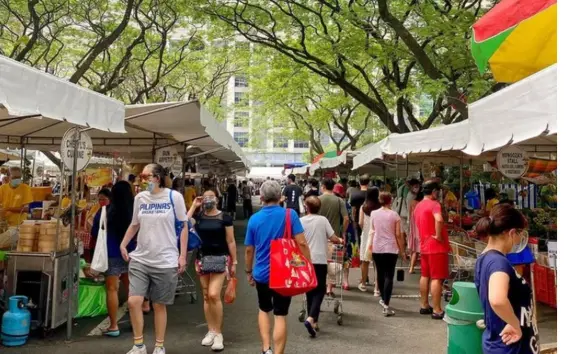
Weekend mornings in a lot of Philippine cities are now a little different.

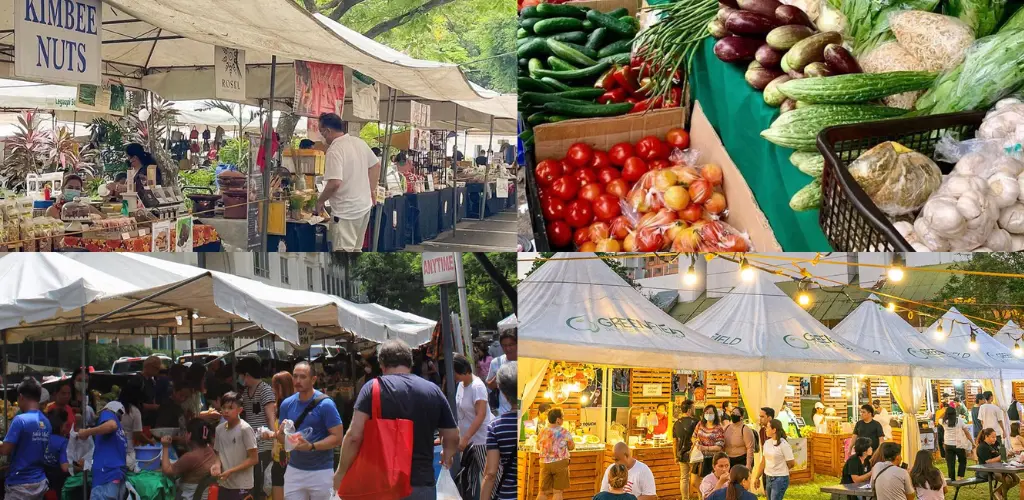
More people are stopping by open-air markets in parks, plazas, and communal places instead of going straight to malls or supermarkets. These markets are smaller and often only last for a short time, but they offer something that many city dwellers want: fresh food and goods made nearby.

Community markets are becoming a normal part of life in areas like Metro Manila, Cebu, Davao, and other expanding cities in the Philippines.

At first, they might look easy. These markets are silently helping local farmers, small food businesses, and entrepreneurs in the neighborhood, even though you can’t see them.


A Marketplace of a Different Kind

Most of the time, community markets are set up as weekly or monthly events. Local governments, community groups, or private organizers give vendors room to sell directly to clients.

Instead of big stores, the stalls often have:

  • Fresh fruits and vegetables from farms near you
  • Baked pastries and snacks produced at home
  • Coffee and drinks from the area
  • Crafts produced by hand and food that comes in packages

People are often comfortable and social in the air. Families look to stalls, talk to vendors, and find new things to buy.

For a lot of guests, this encounter is more intimate than a normal shopping excursion.

Helping Small Businesses Get Customers in Cities

Direct access is one of the best things about community markets in the Philippines.

Small farmers and food entrepreneurs typically have a hard time getting into big stores. Supermarkets usually need more products to be made, rigorous packaging rules, and a way to get the products to customers.

Community marketplaces are easier to get into.

Farmers can sell veggies that they picked the day before. Small food companies can try out new recipes and products without having to make big arrangements with distributors.

Vendors might also learn about market demand by talking directly to customers. They can tell which products are selling well and which ones require work.

That input is helpful for small firms.

Making the Local Food Economy Stronger

Community markets also assist the food economy in the Philippines grow stronger.

When people buy directly from local businesses, more of the money stays in the community. Farmers make more money when they sell directly to customers instead of going via middlemen. Small food producers also get more publicity.

These marketplaces generally show off local foods and cooking styles from the area.

People who shop at small stores might be able to find native rice types, artisanal cheeses, or homemade sauces that aren’t easy to get in big stores.

Over time, these markets allow urban consumers and rural producers get to know each other better.

sustainable tourism Philippines

Promoting Business Ownership

For a lot of vendors, community markets are where they start their businesses.

A home baker can start by selling pastries at a booth on the weekend. A small coffee roaster might show tourists new blends that they are interested in.

These events give business owners a chance to try new things.

If a product gets popular, the seller might start selling it online, at cafes, or in a permanent store.

This is how small and medium-sized food enterprises in the Philippines commonly use neighborhood markets as a place to start.

It’s not too hard to get into, which makes it easier for anyone who want to start their own business to do so.

Creating Community Spaces

Community markets can have a social function.

They bring people together in public places where they may all be together. On market days, parks, community centers, and open plazas become busy places where people meet.

Visitors meet people who live nearby, talk to farmers, and find out about local talent.

Some markets provide live music, cultural shows, or cuisine demos. These events make the event more than just a chance to shop.

These markets give people in growing cities a chance to engage with each other, even when city life might feel impersonal.

More and more people are interested in local and sustainable food.

People’s shopping habits are shifting.

More and more people who live in cities are interested in where their food originates from. People are becoming more interested in fresh fruits and vegetables, organic farming, and using items that are grown nearby.

Community markets naturally encourage this development.

A lot of the time, vendors tell customers how their goods are manufactured or cultivated. Customers can ask questions and find out more about how food is made.

This openness makes people trust you.

As a result, farmers markets in the Philippines are drawing in younger customers who care about sustainability and want to help local businesses.

Problems that Community Markets Face

Community markets are good for a lot of things, but they do have certain problems.

One problem is that things aren’t always the same. Customers might not be able to count on markets for their routine grocery shopping because they only open on weekends or once a month.

The weather can also effect how many people show up. Good weather is very important for outdoor markets.

Another problem is the vendor’s capacity. If their items become successful, small producers may have trouble keeping up with demand.

Local governments and organizers also need to find a balance between rules and flexibility so that small vendors can take part without having to pay too much.

Help from cities and local governments

A lot of cities are starting to see how important neighborhood markets are.

Some local governments now help these efforts by making it easier to get permits, providing public places, or setting up regular market events.

Urban planners are increasingly starting to recognize how markets can bring public spaces to life and help local economies.

Community markets may help the economy and bring people together when they are run well.

The Big Picture

The expansion of community markets in the Philippines demonstrates fundamental changes in shopping patterns and urban development. 

People show increasing demand for local products and authentic experiences and support for small businesses. 

Farmers and business owners aim to establish customer connections through methods that do not depend on large distribution systems. 

Community markets provide a platform that enables different requirements to find their optimal solution. 

The stores provide customers with an authentic shopping experience because they offer a more intimate shopping environment which represents the local community.

Final Thoughts

Compared to big shopping malls, community markets may not seem like much.

But they can have a big effect.

They give local food producers and farmers a venue to market their goods directly to customers. They help people start businesses and make local food systems stronger.

Most importantly, they remind people who live in cities that there is a local story behind every product. For example, a farmer, a baker, or a small company owner is laboring to grow something new.

These marketplaces are slowly becoming a part of everyday life in cities all throughout the Philippines.

Discover how communities across Asia are moving forward — only on riseasia.com

1. What are community markets?

 Community markets are local events where farmers, food producers, and small businesses sell products directly to consumers.

 They provide affordable spaces for entrepreneurs to test products, build customer relationships, and grow their businesses.

 Yes. Many cities now host regular weekend markets that feature local food, crafts, and small-scale vendors.

Share URL copied
Related Articles

IKEA Home Decor Malaysia Launches Fun GREJSIMOJS Collection

People often design their homes to be comfortable and useful. But sometimes...

Shopee Starts Raya Promotion Malaysia Payung Lagi

During Ramadan and Raya, families get together, eat together, and reconnect with...

MindNexis Mental Health Hub Opens New Wellness Space

Living in the city can be hard. Mental health is often put...

Bangkok Food Innovation Elevates Thai Cuisine

Chefs in Bangkok are mixing old Thai recipes with innovative cooking methods,...