

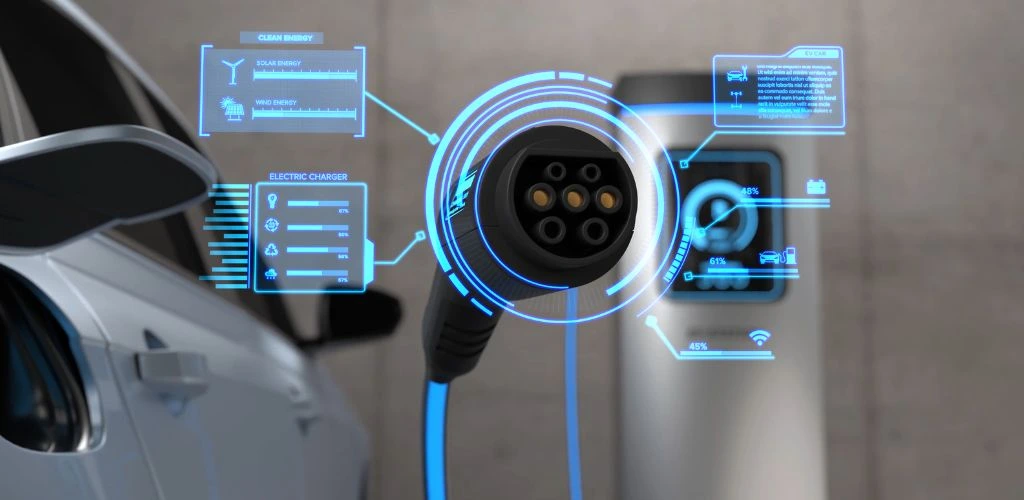

Indonesia is positioning itself for a major shift in the global auto industry.
Across industrial zones in Java and mining regions in Sulawesi, new factories and battery projects are appearing. The goal is ambitious but clear: turn the country into a key player in the electric vehicle supply chain.
Just a few years ago, Indonesia was mostly known as a supplier of raw nickel. Today the government wants something bigger.
Instead of exporting minerals and letting other countries capture the value, Indonesia is pushing to build a full Indonesia EV industry at home — from battery materials to electric vehicle manufacturing.
That strategy could reshape how Southeast Asia fits into the global EV economy.
Why Indonesia Holds a Strategic Advantage
The Nickel Factor
Indonesia’s EV ambitions begin with nickel.
The country holds some of the world’s largest reserves of the metal used in lithium-ion batteries. These batteries power most modern electric vehicles.
For decades, Indonesian nickel ore was exported for processing overseas. That changed in 2020. The government banned exports of unprocessed nickel. Companies that wanted access to the resource now had to invest locally.
The policy drew global attention.
Battery producers and automakers began exploring projects in Indonesia. Industrial activity increased around mining regions, and the foundation of the Indonesia EV market started to emerge.
Building an Integrated EV Supply Chain
Indonesia’s strategy goes far beyond encouraging EV purchases.
Policymakers are trying to develop an entire industrial ecosystem. Mining, battery production, vehicle assembly, and component manufacturing are all part of the plan.
Battery Manufacturing Investment
A key step was the creation of the Indonesia Battery Corporation (IBC).
This state-owned consortium coordinates partnerships with international companies involved in battery technology. Major companies like LG Energy Solution and CATL have said they would invest in Indonesia’s nickel deposits.
The goal of battery processing factories is to help make electric cars in the nation and ship them to other countries.
Electric Motorcycles and Public Transport
Passenger cars represent only part of Indonesia’s EV transition.
Motorcycles dominate daily transportation across the country. Because of this, electric two-wheelers are getting a lot of help from policymakers.
Several local businesses, including Gesits and Volta, are now in the process of constructing manufacturing lines for electric bicycles. Two big companies, Honda and Yamaha, are also developing electric cars for the Indonesian market.
At the same time, big cities like Jakarta and Surabaya are slowly adding electric buses to their fleets of public transportation.
Demand at Home Is Slowly Rising
For a long time, electric cars were more of a dream than anything you saw on the road in Indonesia.
Prices were high, charging stations were limited, and most drivers were unfamiliar with the technology. As a result, adoption remained slow.
That picture is starting to change.
Government incentives have helped narrow the price gap between electric vehicles and conventional cars. Tax reductions and subsidies — especially for electric motorcycles — are making the transition more realistic for everyday users.
The infrastructure is becoming better too.
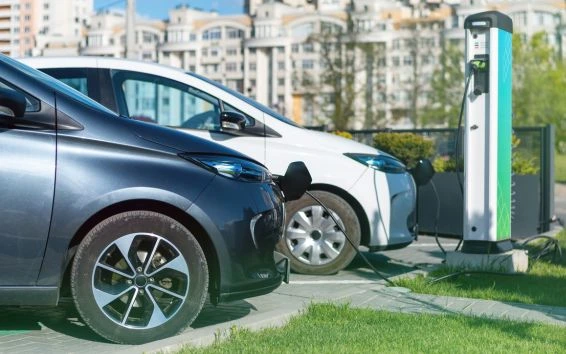
The state energy utility PLN has started putting recharge stations in important cities and along important routes. Charging stations are now being added to shopping malls, office buildings, and even residential complexes.
Electric cars are also becoming increasingly common in everyday life. Ride-hailing fleets, government vehicles, and delivery services have started using EVs, giving many Indonesians their first close look at the technology.
Sales numbers remain relatively small compared with global EV leaders. Even so, the trend is moving in one direction.
The Indonesia EV market is beginning to gain momentum as awareness grows and costs slowly fall.
Regional Implications for Southeast Asia
Indonesia’s EV push carries broader implications for the region.
For decades, Thailand positioned itself as Southeast Asia’s primary automotive manufacturing hub. That status still holds in many areas of the traditional auto industry.
Indonesia is now emerging as a serious competitor in the electric vehicle era.
Indonesia’s Growing Role in the Regional EV Supply Chain
Indonesia’s EV strategy is beginning to reshape the region’s manufacturing landscape.
For many years, Thailand dominated Southeast Asia’s automotive production. Global automakers built large assembly plants there, turning the country into the region’s main export base.
Electric vehicles are changing that dynamic.
Indonesia is approaching the EV transition from a different angle. Instead of focusing only on car assembly, the country is developing the upstream parts of the industry — particularly nickel processing and battery production.
That approach matters for the entire region. The nation is a good place to invest in electric vehicles for the long run since it can create more things and has access to nickel.
At the same time, Indonesia’s large domestic market strengthens its position. With more than 270 million people and a tie to the wider ASEAN economy, the country has both the ability to make things and the capacity to sell them.
Because of all of these elements, Indonesia is becoming a more and more significant part of Southeast Asia’s quickly growing electric car supply chain.
China’s Growing Role
Chinese companies are playing an important role in Indonesia’s EV expansion.
Wuling, a Chinese vehicle company, is already producing electric cars in the area. Other companies, including BYD and Chery, are looking at making bigger investments in the area. The fact that they are here shows that people are getting more confident that Indonesia will be the next place to manufacture cars.
Industrial zones around Jakarta and other parts of Java are starting to attract suppliers connected to the EV supply chain. Battery components, electronics, and supporting parts are gradually becoming part of the local production network.
For Indonesia, the objective goes beyond simply building cars.
Officials want to develop a manufacturing ecosystem that connects mining resources, battery production, and vehicle assembly within the same country. If this endeavor is successful, Indonesia has the potential to become one of the most important hubs for the production of electric vehicles in Southeast Asia.
Challenges Along the Way
Indonesia’s EV ambitions are moving quickly, but several obstacles remain.
Charging infrastructure, for example, is still concentrated in major cities. Outside Java and large urban centers, public charging points remain limited. That can make long-distance travel with electric vehicles more difficult for many drivers.
Supply chains are also still developing.
Imported EV components include modern electronics and batteries. Indonesia is investing in domestic skills, but a sophisticated manufacturing environment will take time.
Environmental responsibility is the tension Indonesia cannot afford to ignore.
Nickel processing — the very foundation of its EV supply chain — carries a significant ecological cost, and advocacy groups have been vocal about the damage caused by mining and smelting activity in Sulawesi.
The harder question facing Indonesia isn’t whether its EV industry can grow, but whether it can grow cleanly.
What Comes Next
Indonesia’s EV ambitions are still unfolding.
Factories continue to expand. A competitive EV environment is still a top priority for the government, and new collaborations are popping up all the time.
We need greater industrial competence for the next step. It will take time to make the infrastructure better, train skilled workers, and strengthen local suppliers. We can still see where we’re headed presently.
Indonesia’s main economic priority is no longer only exporting raw minerals. Instead, the country is trying to become a vital part of the global supply chain for electric cars.
Hopefully, that strategy will work out, and Indonesia’s electric car industry will lead the way in Southeast Asia’s push for more environmentally friendly transportation.
FAQ
What is driving the growth of Indonesia’s EV industry?
A big reason is nickel. Indonesia has huge reserves of the metal used in EV batteries. The government also introduced policies to encourage battery production and vehicle manufacturing inside the country.
Are electric cars already prevalent in Indonesia?
Not yet. There aren’t many electric vehicles (EVs) on the market yet. But more models are coming out, charging stations are steadily becoming more common, and both businesses and customers are showing greater interest.
Why does Indonesia matter for Southeast Asia’s EV future?
Many automakers see Indonesia as a strategic base because of its battery materials and large market. As production grows, the country could become an important link in the regional EV supply chain.