

Walk through Bandung’s denim workshops. Browse handmade jewelry on global marketplaces. Watch the credits of an international animation project.
You will often find Indonesian names behind the work.
Across fashion, crafts, and digital media, Indonesian creators are quietly building businesses that reach far beyond their hometowns. What began as small workshops or independent studios is gradually turning into something bigger.
The rise of the creative entrepreneur is becoming a defining part of Indonesia’s expanding creative economy.
And increasingly, global opportunities are no longer out of reach.
Indonesia’s creative industry has deep cultural foundations.
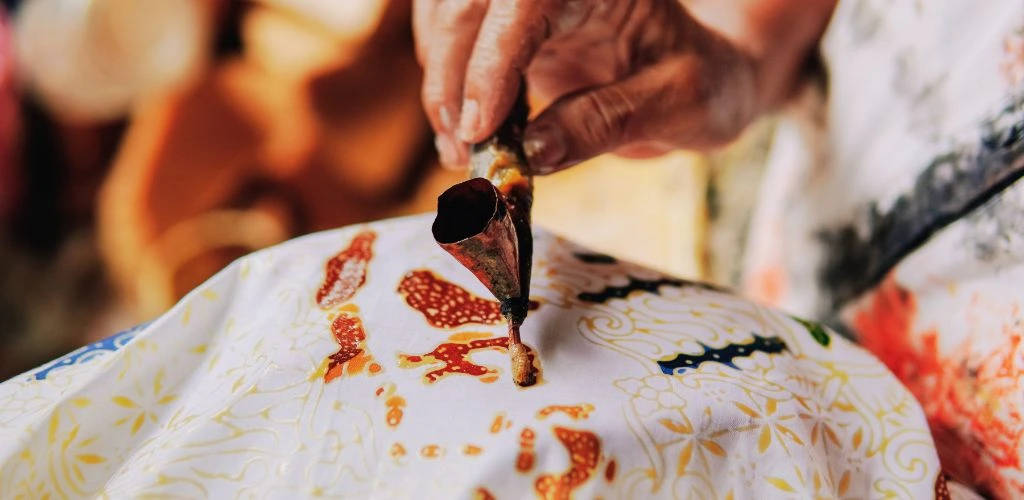
Batik fabrics, traditional weaving, woodcarving, silversmithing, and performing arts have all been part of local communities for centuries. Skills were often handed down within families or via community workshops.
For a long time, however, most of these businesses served local buyers or relied on tourism. Global access were scarce.
Today, that is beginning to change. Digital connectivity and growing interest in cultural products are opening international opportunities for artisans and designers.
Traditional craftsmanship is no longer confined to local markets. It is becoming part of global creative commerce.
Government recognition of the creative industry as an economic sector played an important role in this transformation.
Over the past decade, national programs linked to the Ministry of Tourism and Creative Economy have supported industries such as:
These initiatives have encouraged creative businesses to move beyond informal markets and operate as professional enterprises.
The results are significant. Indonesia’s creative economy contributes more than 7 percent of national GDP and supports millions of jobs across the country.
Just as important, the sector provides opportunities for SME Indonesia businesses to grow without needing large factories or major capital investment.
Creativity itself becomes the core asset.
One of the biggest shifts for Indonesia’s creative industry has come from digital commerce.
Digital platforms are creating new global opportunities for Indonesian creators to sell directly to international customers without traditional export networks.
Platforms such as:
have made global retail accessible even for small studios.
Designers in Yogyakarta ship handmade products to Europe. Jewelry makers in Bali receive orders from the United States. Textile producers in Solo export fabrics to boutique brands abroad.
For many SME Indonesia businesses, the internet has become their primary gateway to global markets.
Physical products are only one part of the story. Digital creative work has also expanded internationally.
Musicians distribute songs worldwide through streaming platforms like Spotify and YouTube. Illustrators and animators collaborate with overseas studios after sharing portfolios on platforms such as Behance or ArtStation.
Indonesia’s game developers are also gaining attention. Small studios are releasing mobile games through international app stores, reaching players across Asia, Europe, and North America.
For today’s creative entrepreneur, geography matters far less than it once did. Visibility online can open doors anywhere.
Fashion is one of the most obvious examples of Indonesia’s creative industries growing internationally.
Bandung has long been seen as a great place for independent streetwear firms to grow. A lot of these labels have developed their global audiences via social media and online forums in the last ten years. Their success showed that Indonesian companies can compete with brands from all around the globe.
At the same time, Indonesia’s little fashion industry is making a name for itself throughout the world. Designers typically show off their collections at fashion events across the world. These days, several companies send their products to Europe, the Middle East, and Southeast Asia.
The pattern reflects a broader shift within the creative industry.
Creative talent alone is no longer enough. Successful entrepreneurs today also manage digital marketing, logistics, cross-border payments, and global branding.
In many ways, the modern creative entrepreneur operates like a small international business from day one.
Behind Indonesia’s global creative presence lies a vast network of small businesses.
Most of the country’s creative industry is driven by SME Indonesia businesses — workshops, independent studios, and small production houses that employ local talent.
These businesses appear in many forms:
Individually, each company may remain small. But collectively, they form one of the most dynamic parts of Indonesia’s modern economy.
The ecosystem around creative businesses is slowly getting stronger.
Government export programs now provide guidance for small companies that want to enter overseas markets. Some digital marketplaces also run training sessions to help sellers manage logistics, pricing, and international payments.
Financial technology is playing a part as well.
Digital payment platforms and new funding options are making it easier for creative entrepreneurs to manage global transactions or invest in production. These resources are allowing an increasing number of small artists to turn their passion projects into viable businesses.
Despite growing opportunities, Indonesian creators still face several challenges.
Intellectual property protection remains one of the most common concerns. Designs and digital artwork can be copied easily online, and enforcing legal rights internationally can be expensive for small businesses.
For many entrepreneurs, protecting creative work across borders remains complicated.
Shipping costs are another thing that might make a firm less competitive.
The price may go higher because of the extra care that goes into packaging and delivering handcrafted items internationally. It could be hard for smaller businesses to keep up with supply and demand as it grows.
Language and cultural differences might make it hard to talk to consumers from other countries. A lot of company owners, however, aren’t done adapting.
Small creative businesses are finding it easier to do business across the world because of better logistics and digital technology.
Creative entrepreneurs in Indonesia are changing what success means to them.
Many firms used to just care about their own markets. Usually, the major ambitions were to get national fame or collaborate with local retailers.
People nowadays think differently. From the outset, it’s now possible to reach international consumers, work with people from all over the world, and have online audiences.
A designer in Bandung can sell products to London.
An artist from Surabaya may work in a Tokyo studio.
Streaming services let artists in Jakarta talk to people all around the globe.
That’s one component of a wider development in Indonesia’s online industry. Small creative firms may now conduct business all around the globe since the tools are already in place.
The growth of Indonesia’s creative entrepreneurs is more than a cultural trend. It signifies a significant change in the way the economy operates.
The creative industry contributes to:
For policymakers and investors, the industry provides a unique blend of culture, innovation, and SME-led development.
If present trends continue, Indonesia may become one of Asia’s most important creative economies. And for many creators, the opportunity has only just begun.
Fashion labels, handicraft producers, animation studios, and mobile game developers are among the most visible. Many businesses start small but grow to serve clients all over the world via internet platforms and global marketplaces.
A lot of people start with e-commerce sites like Etsy or Shopify. They use social media to get more people to follow them and get consumers from other countries. Some businesses move into legitimate export channels as demand rises.
Strong cultural heritage gives Indonesian products a distinctive identity. At the same time, younger creators are comfortable using digital tools to promote and sell their work internationally.
During the Gaikindo Jakarta Auto Week, Changan formally unveiled the Lumin electric...
The technological shift wave is transforming the provinces surrounding Hanoi and Ho...
In the burgeoning digital world of Vietnam this March 2026, having a...
The Hyperboost Edge is a new running shoe from adidas that is...