

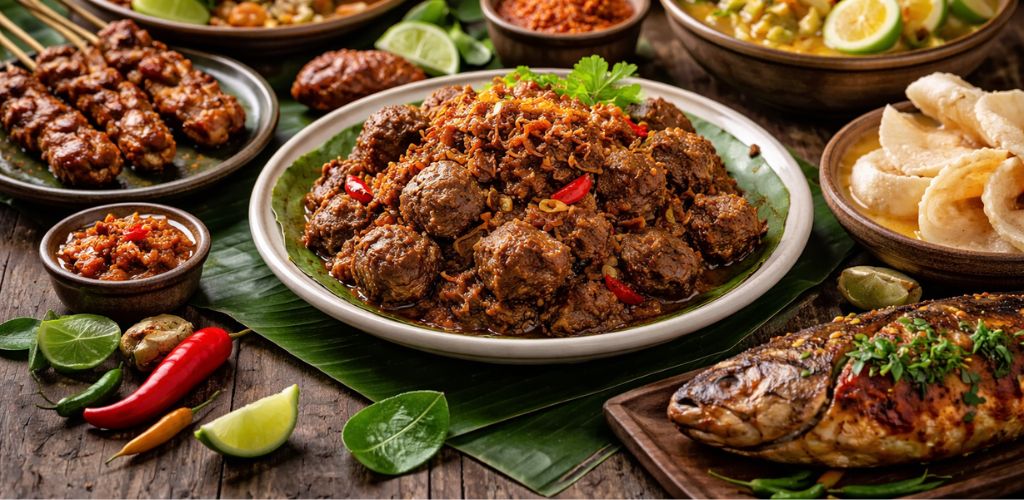

The taste of the best southeast Asian food isn’t the only thing that matters. It impacts small businesses, farmers, and public health. Indonesians think that the best southeast asian food comes from the plants and animals that live in its waters and soil. These aren’t just random choices; for example, turmeric comes from Java, nutmeg comes from Maluku, and fresh fish comes from Sulawesi. They talk quietly about what Indonesian food means to the people who live there and to the area.
This is more important than it looks. When people use local foods to make national dishes, it changes how people make money, how prices stay the same, and even how the country fits into the bigger Asian food & beverage industry. It’s not a romantic idea. It’s a business one.
The Taste of Asian Food Culture: Why Ingredients Define Identity
Indonesian food is the same in most places, but each region has its own unique flavor. Usually, what makes the difference is what grows nearby. The food tastes better because there are a lot of coconuts in Sumatra and the eastern islands. Java has more palm sugar, which makes some foods taste sweet. Coastal areas depend on seafood a lot, while inland areas depend on rice, tempeh, and vegetables a lot.
These choices are part of Asian food culture: useful, not fashionable. People cook with what they have and can pay for. Those habits turn into traditions over time. Tradition is a part of who you are.
A lot of countries in Southeast Asia do the same thing. But Indonesia is different because it’s so big. There are thousands of islands, so the flavors are all a little different. Indonesia has a strong voice in the regional debate over the top 50 Asian dishes because it doesn’t just eat one dish.
Local Ingredients as the Economy’s Backbone
Helping Farmers and Small Businesses
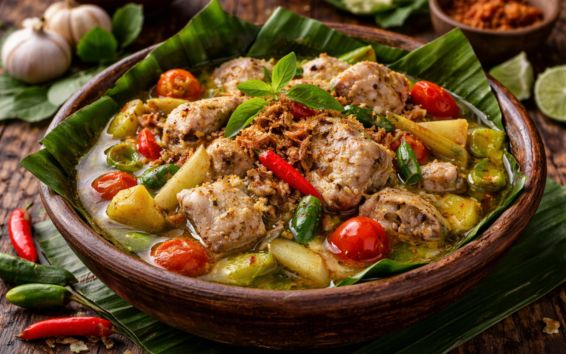
When restaurants and food companies buy food grown in the US, the money stays in the area. That seems clear, but the impact is huge. There are always customers for farmers. Fishers don’t have to worry about prices going down when the harvest is at its best. Small spice processors keep old ways of doing things going.
It also makes you less dependent on things from other countries, which can be expensive when the value of money changes or shipping problems come up. Businesses like things to stay the same. If you do it right, local sourcing can give you that.
The system isn’t perfect, though. It can be hard to keep the supply steady. Weather changes, transportation problems, and broken farming networks are all things that can make things less stable. That’s why some big food companies still use ingredients from both other countries and their own. It’s a fine line between being honest and knowing how things will turn out.
How MSMEs Keep Their Flavor
Micro and small businesses, or MSMEs, are a big part of Indonesia’s food culture. Street vendors, small-scale caterers, and people who make sauces at home all need local ingredients because it’s too costly to ship things in from other places.
This limit makes things seem more real in a strange way. A small sambal maker probably won’t use dried chilies instead of fresh ones. Customers would taste a difference. Over time, these small businesses become the ones that set flavor standards, and bigger companies try to copy them on a larger scale.
Health Talks Are Going Back to Traditional Diets
People in Asia are talking about their eating habits more and more in healthcare settings. People say that the rise of lifestyle diseases is connected to city diets that are full of ultra-processed foods. This is why traditional Indonesian food looks different. These dishes often have rice, vegetables, herbs, and fermented foods like tempeh or tape in them, or currently known as Real Food.
This gives people who make policies a slight chance to promote Asian food culture. It’s not just about the money when you support local farming. It could also help people keep up good eating habits that will help them stay healthy in the long run.
Trends in Food & Beverage Industry: From Wet Markets to Digital Supply Chains
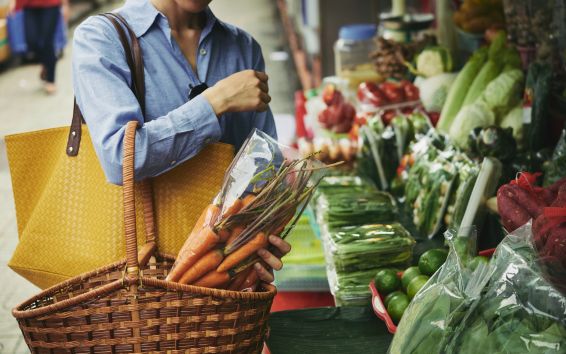
The food & beverage industry in Asia is changing quickly, and Indonesia is a part of that change. Digital procurement platforms now let farmers and restaurants talk to each other directly. In the past, you had to talk to a lot of people to place an order. Now, you can do it with apps. It sounds new, but the end result is still the same: local ingredients get to kitchens faster.
Food startups are using tools to keep track of where their spices and fruits and vegetables come from. This openness is good for markets that buy things from other countries. People in other Asian countries want proof of where the food came from, not just claims about how good it tastes.
But technology doesn’t change the basics. If the harvest fails, no platform can magically fix the lack of food. The physical realities of farming are still what keeps the whole system going.
The Idea of Being Real, Trade, and Branding
The issue of authenticity versus adaptation keeps coming up for Indonesia’s food exports. People in other countries often like foods that taste the same every time. But what you can get in your area may change with the seasons. The heat level of one batch of chilies may not be the same as the heat level of the next batch. Palm sugar can taste different depending on how it was picked.
The brand’s ability to change is both a good and a bad thing. It makes it harder to make things the same, but it also shows where they came from. A lot of people who want the best southeast Asian food now care more about where the food comes from than how it tastes.
Governments in all of Asia are pushing for origin certifications and geographical indication labels. The government doesn’t just use these rules to do its job. They protect the economic value of local ingredients and keep fake products from hurting the brand. Thus, protecting the chances to be in top 50 asian dishes.
Climate Change and the Safety of Ingredients
There is also a more difficult conversation going on. Climate change is affecting the times of year when crops grow, the places where fish can be caught, and the amount of water that is available. When important ingredients aren’t as reliable, all cooking traditions feel the stress.
Food identity and environmental resilience are now linked because Indonesia’s rice, chilies, and spices are all sensitive to climate change. Some places are trying mixed farming systems or crops that can grow in different weather to spread out the risk. These changes have an effect on what ends up on plates years later, even if people can’t always see them.
Finding a Balance Between Traditions and Modern Customer Demand
People who live in cities want things to be easy. They want meals that are easy to make, spice mixes that come in boxes, and quick delivery. But they also want “real taste.” This is what makes this part of the food & beverage industry what it is.
Food companies aren’t getting rid of traditional ingredients; they’re just making them more industrialized. These efforts try to mix old and new, like ready-made rendang spice paste, frozen nasi goreng kits, or sambal in a bottle made from local chilies. Sometimes they get it right. Sometimes they lose small flavor notes that only cooking from scratch can bring out.
The path ahead is still clear. People in the market don’t want to stop eating local foods. It wants to be able to get to them faster.
Conclusion
Indonesian food has its own unique taste and place in the larger Southeast Asian food scene because it uses local ingredients. They help people in rural areas make money, change their health habits, and figure out how well the country can compete in regional and global markets. Indonesia’s job is not to come up with new flavors, but to protect and change the ingredients that make Southeast Asian food taste great. People need to trust businesses, culture needs to stay alive, and the economy needs to stay stable in the long term.