

The Philippines currently experiences a business trend in out-of-home advertising because brands seek new methods to attract attention in busy urban areas. The current business environment shows that companies prefer digital advertising solutions and interactive marketing strategies and advertising content tailored to specific cultures instead of using traditional billboard advertising. The evolution of OOH advertising affects business operations because it determines how companies allocate their advertising budgets and develop their customer outreach methods and choose their media spending priorities. With this, let us take a look at the types of billboards that are trending in the country.
Growth of 3D Anamorphic LED Displays
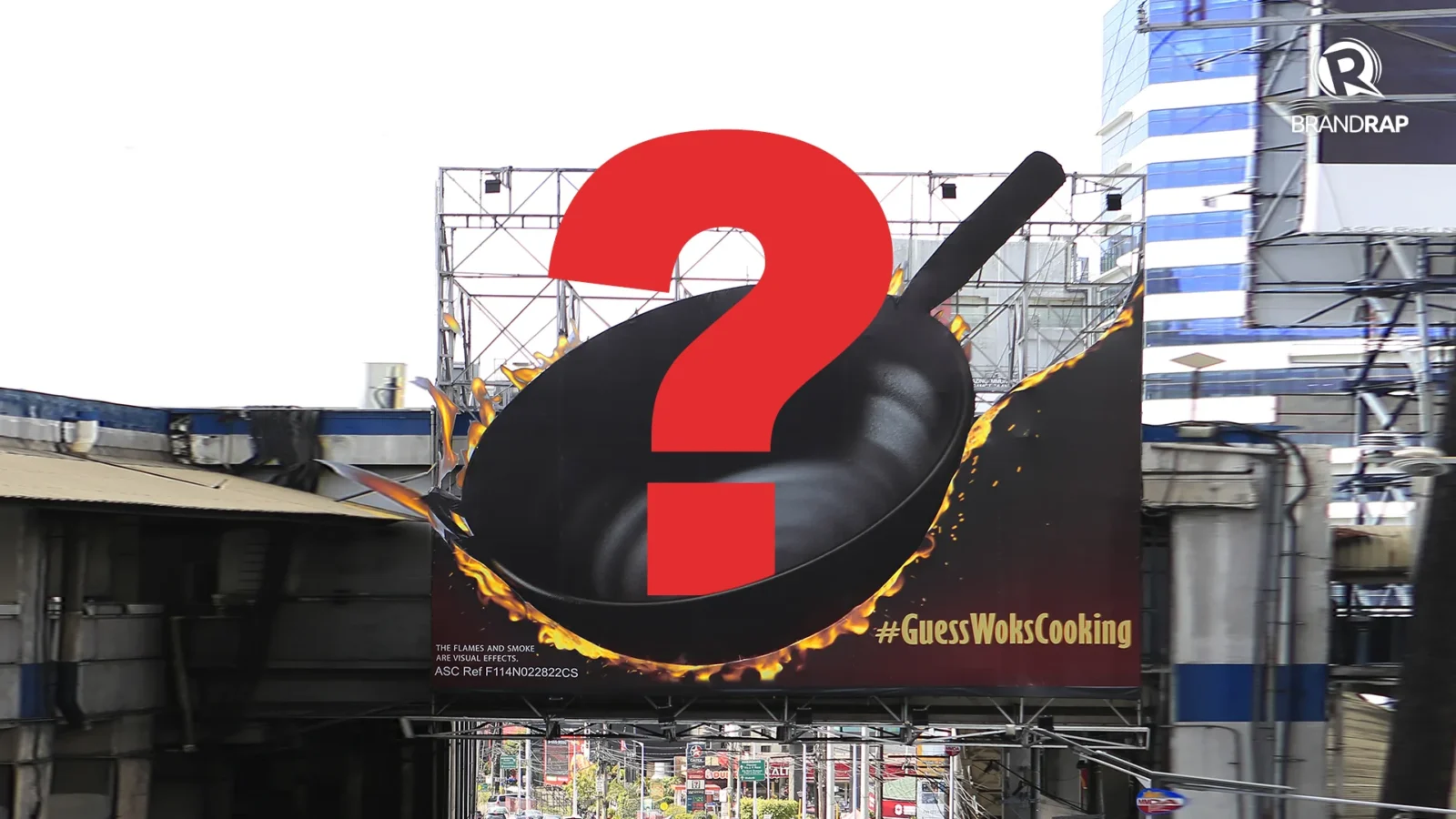
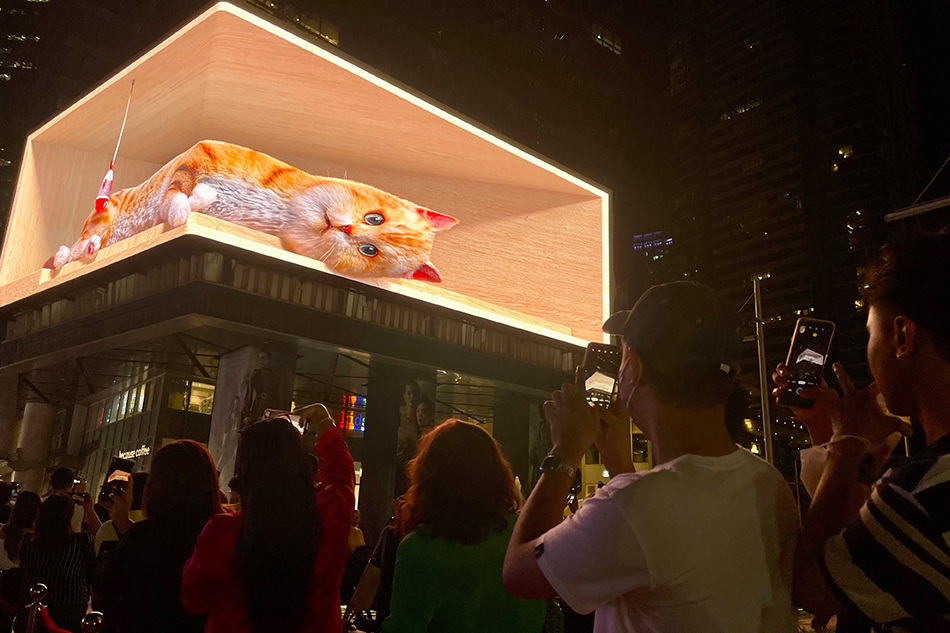
The Philippines shows its most active out-of-home marketing trend through the increasing use of 3D anamorphic LED billboards. The large digital screens display optical illusions which create the effect of three-dimensional advertisements that succeed in attracting strong public interest.
The commercial districts of Metro Manila now see increased installation of these displays. The Bonifacio Global City Central Square displays a corner-mounted 3D LED billboard which has shown multiple major advertising campaigns. The metro area contains multiple 3D LED billboards but corner-mounted designs have become difficult to find because they require expensive installation and special engineering solutions.
The cities of Tokyo, Seoul, and Bangkok all show similar display systems which advertisers use to create immersive visual experiences that help them compete in crowded media markets. The growth of this format reflects wider regional investment in digital infrastructure and premium advertising spaces.
Turning Viewers Into Participants
The interactive OOH campaigns require audiences to interact with advertisements instead of simply watching them. The campaigns create physical advertising locations which people can access through digital platforms that include mobile applications and location-based challenges.
The “Close the Gap” campaign by a toothpaste brand in the Philippines used multiple billboards which required viewers to travel between different locations to understand the complete message. The method created physical contact opportunities which attracted a large audience to the display.
The streaming series promotion turned MRT stations into a playable game space. The commuters could take part in a citywide competition through a web platform which connected to billboard advertising. The campaign showed how OOH advertising could combine with digital engagement methods which reflect the regional trend of using unified marketing approaches.

Influence of Meme Culture
The Philippines exhibits its own unique trend through billboards which display humorous and satirical content. The campaigns achieve their goal through humor which relates to local culture and social commentary and meme-based elements. The country demonstrates its digital infrastructure through social media which serves as the main method of public communication. Some billboard campaigns pursue a different goal which involves creating online conversations through user content sharing instead of showing their products.
Social media users in Indonesia and Thailand show identical social media usage patterns which exist in other Asian markets that have strong social media activity. Advertisers use OOH advertising to promote their products through OOH campaigns which create online discussions by combining digital and physical advertising methods.
The Philippines now experiences a transformation in OOH advertising which moves from standard static billboards to new advertising methods that use interactive elements and cultural content. The increasing use of 3D LED displays and audience participation campaigns together with meme-based messaging shows the technological and economic growth which is occurring throughout Asia. The latest advertising developments demonstrate to businesses and investors how advertising methods currently transform because of urban development and digital technology advancement and shifts in consumer preferences.