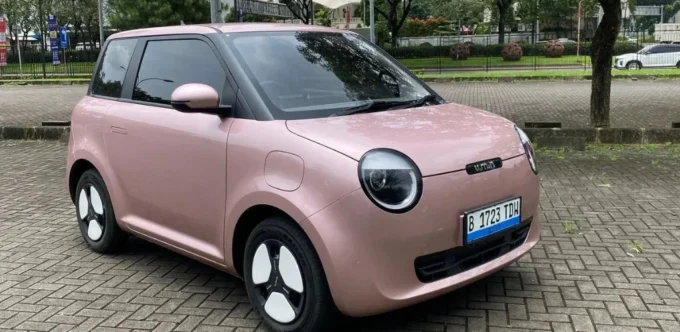

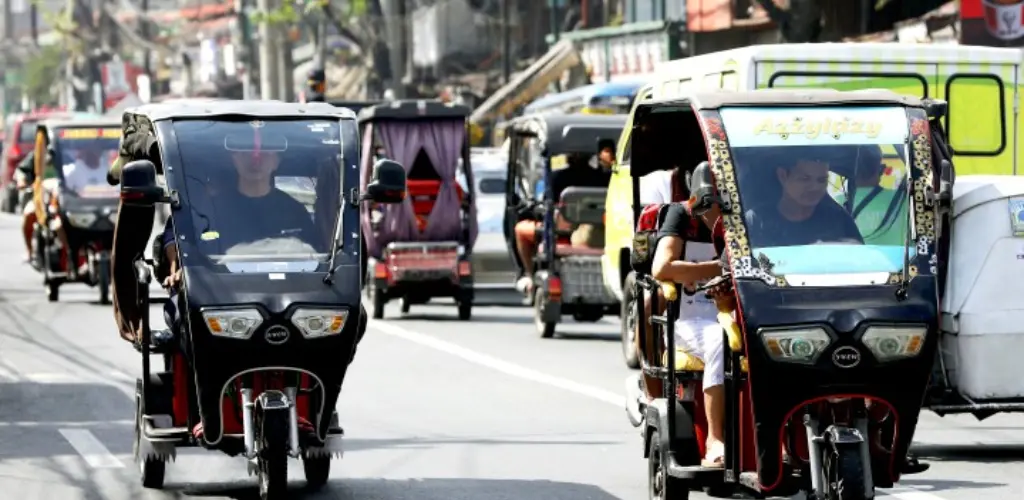

The use of e-bikes in the Philippines is increasing as they become more common in urban areas and in residential streets throughout the country.
People residing in Metro Manila and other major urban areas experience difficulties during their daily work commute. The existence of traffic jams creates significant problems that drivers must navigate. Public transportation systems face challenges in meeting passenger demand during peak travel times.
Filipinos currently seek improved transportation options because they wish to reach their destinations faster.
The Philippines currently experiences a growing interest in e-bikes which are becoming more recognized throughout the country.
Electric bikes have a small battery-powered motor that helps riders while they pedal, making them easier to ride. The idea is simple, but it might have a big effect on how people move around in cities.
E-bikes are a useful and fairly cheap way to get around for short journeys, daily tasks, and even delivery work.
Interest in electric bicycles is constantly expanding as cities rethink how people get around in dense urban settings, even if the business is still developing.
Why Urban Mobility Needs More Choices
There are a number of structural problems with urban mobility in the Philippines.
More people are moving to big cities, which puts more stress on roads and public transportation systems. For many people who commute, traffic jams are become a normal part of life.
Long commute times hurt productivity, use more gas, and lower the quality of life in general.
But big cars aren’t usually needed for short excursions. A lot of the time, people just go a few kilometers, which is easy for smaller modes of transportation to handle.
This is where tiny mobility solutions are becoming more important.
Micro mobility is the term for small, light vehicles that are suited for short trips. These are little vehicles like bicycles, e-bikes, electric scooters, and others.
E-bikes are different from other types of bikes because they mix the freedom of cycling with the ease of electric assistance.
Riders can go farther without putting in too much physical effort. They still benefit from the fact that bicycles are easy to use and don’t cost much to run.
How E-Bikes Work
Electric bikes appear like regular bikes, but they have a small motor and a battery that can be charged.
The motor helps the user pedal, which makes it simpler to go up hills or keep up pace on long trips.
Most e-bikes made nowadays come with:
- Lithium-ion batteries that can be recharged
- Electric motors that help you pedal
- Systems for controlling speed
- Lightweight frames made for riding in the city
The battery life of an e-bike depends on the type, but most can go between 40 and 80 kilometers on a single charge.
It’s also not too hard to charge. Most units may be connected into regular household outlets, which makes them easy for most people to operate.
E-bikes cost a lot less to run than gas-powered vehicles since they require less energy.
More and more delivery riders are interested.
The delivery economy is one area where e-bikes may become quite popular.
Food delivery and e-commerce logistics have grown quickly in the Philippines. Digital platforms have made it easier for people to buy groceries, meals, and other things online.
This expansion has also opened up new jobs for delivery riders.
But motorcyclists often have to deal with higher gas prices, especially when they have to drive great distances all day.
E-bikes could be a different option.
Electric bicycles have a lot of benefits for delivery workers that work in smaller areas:
- Lower costs of running the business every day
- Less need for gasoline
- Easier to get around in tight spaces
- Less work to keep machines running
Some logistics companies are already testing with smaller electric cars as part of their larger attempts to make deliveries more efficient.
E-bikes could be a beneficial tool for last-mile logistics if more people start using them, especially in densely populated urban areas.
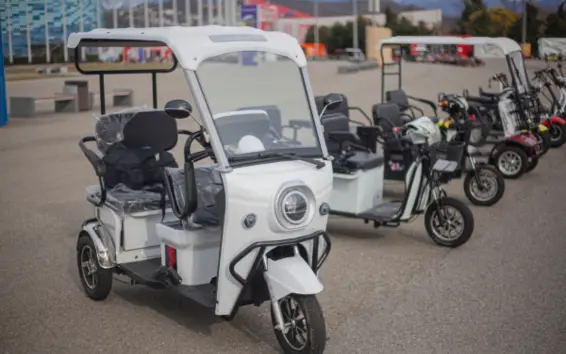
Benefits of Electric Bikes for the Environment
Another reason people are becoming more interested in e-bikes is that they are good for the environment.
Transportation is a big cause of air pollution in cities. Cars that run on gas give off pollutants that affect human health and air quality.
When you ride an electric bike, it doesn’t release any emissions.
Electric bikes use a lot less energy than motorcycles or cars, even if electricity production still adds to overall emissions.
Cities can use e-bikes and other small transportation options to cut down on fuel use and environmental damage over time.
Several cities around the world are already looking at this idea, where governments are pushing for better bike paths and electric vehicles.
The measures which currently exist will become more essential for Philippine cities which struggle to control both their traffic and their pollution issues.
The current state of infrastructure requires additional improvements to achieve better results.
Infrastructure still needs to get better
Urban infrastructure is one of the most significant things.
Most of the cities in the Philippines were built with vehicles and motorcycles in mind. In many places, there aren’t enough dedicated bike lanes, which might make biking to work less safe.
Some people who might like to utilize e-bikes might not do so because of a lack of suitable infrastructure.
Key changes that could help people adapt are:
- More bike lanes
- Safer ways to ride your bike
- Safe places to park bikes
- Connecting with public transportation hubs
A number of local governments have started adding bike lanes since people’s needs for getting around have changed. But more work will probably need to be done to make it possible for a lot of people to use it.
Business Opportunities in the Market
Businesses can benefit from the rising demand for e-bikes.
The growing e-bike market in the Philippines brings increased demand which multiple industries will use to their advantage.
The following businesses will benefit from the increased demand for e-bikes:
- Stores that sell electric bikes
- Services for replacing and maintaining batteries
- Suppliers of charging equipment
- Mobility startups that rent out or share things
Tourism companies may potentially be able to make money by renting out e-bikes, especially in places where people wish to see cities or beautiful places in a convenient and eco-friendly way.
Small business owners can use e-bikes as an affordable transportation option to handle delivery services and mobile retail work and other small business operations.
A Part in the Future of Cities in the Philippines
Urban mobility is slowly changing throughout Asia.
Cities are exploring new methods which combine public transportation with small vehicles and digital transportation systems. Planners now realize that flexible transportation solutions should replace their existing dependence on large vehicles.
E-bikes fit in well with this bigger picture. The vehicles serve as an affordable solution for short distance travel since they require less infrastructure than larger vehicles and they contribute to more sustainable urban transportation systems.
An e-bike provides a commuting solution which enables users to travel from their residence to their nearest train station or bus stop or workplace. The integrated mobility system enables cities to reduce traffic congestion while providing citizens with better access to their destinations.
Looking Ahead
The e-bike market in the Philippines is making its first steps into existence.
People will continue to choose gasoline-powered motorbikes and traditional public transportation as their main methods of travel for an extended period.
The way people travel through cities will experience gradual transformations because of small alterations to their daily commuting methods.
The rising adoption of e-bikes will result from improvements in battery technology which drive down costs and lead to urban development changes.
Electric bicycles offer an environmentally friendly solution which provides communities with better transportation options that match their existing two-wheel vehicle usage.
The path to reach our final destination remains unclear at this time yet it is becoming more visible to us.
For more Asia stories, checkout riseasia.com.
Are e-bikes legal in the Philippines?
Yes. E-bikes are generally allowed on many roads, although regulations can vary by city and local government policies.
How far can an e-bike travel?
Most e-bikes can travel between 40 and 80 kilometers on a single battery charge, depending on the model and riding conditions.
Why are e-bikes becoming popular in Philippine cities?
They offer an affordable and environmentally friendly transport option that works well for short-distance commuting and delivery services.