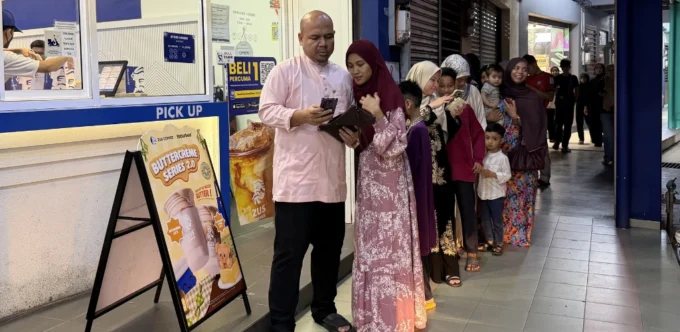



A quiet shift is happening in Indonesia’s major cities.
Indonesian women are reframing health on their own terms. In the country’s major cities, the question has moved from am I sick? to am I thriving?
For many women managing careers, families, and community responsibilities, the idea of a healthy lifestyle for women is becoming more important than ever.
This growing awareness reflects wider urban wellness trends across Southeast Asia. Rapid urbanisation, rising healthcare costs, and changing lifestyles are pushing more people to rethink daily habits that affect long-term health.
Across Indonesia, the discussion around women’s health Indonesia is slowly expanding — and it could shape the country’s public health future.
Urban Life Is Reshaping Women’s Health in Indonesia
For millions of Indonesian women living in cities, daily routines can be demanding.
The rhythms of Indonesian city life were not designed with women’s health in mind. Long commutes eat into the day. Office work is largely sedentary. And for many women, the workday does not end at the office door.
Over time, these pressures can quietly affect health.
Across Southeast Asia, the World Health Organization reports rising cases of non-communicable diseases such as diabetes, hypertension, and cardiovascular disease. Indonesia is part of this trend.
Many of these illnesses are preventable. They are strongly linked to lifestyle factors including diet, stress levels, sleep patterns, and physical inactivity.
Urbanisation has also reshaped how people eat and move. Indonesian cities offer extraordinary food on every corner — but much of it runs heavy on salt and oil. Pair that with streets hostile to pedestrians and parks that are more aspiration than reality, and the environment quietly works against the women trying to live well within it.
For many working women, prioritising personal health can feel like something that must wait.
Why Women's Health in Indonesia Needs a Broader Conversation
Public health discussions in Indonesia have traditionally focused on reproductive health.
Maternal care, prenatal services, and family planning remain important priorities. But they represent only one dimension of women’s health Indonesia.
A healthy lifestyle for women also includes several broader elements:
- mental health and stress management
- nutrition across different life stages
- hormonal health and bone density
- prevention of long-term chronic diseases
Issues like perimenopause, for example, rarely appear in public conversations. Perimenopause and menopause affect millions of Indonesian women. They are barely mentioned in public health discourse.
Encouragingly, awareness is slowly expanding.
Female doctors, wellness advocates, and community groups are beginning to broaden the conversation. Social media platforms and messaging groups have become informal spaces where women share health information and support each other.
These grassroots networks are playing an important role in raising awareness about women’s health.
Preventive Healthcare in Indonesia Is Becoming More Important
Another major shift is happening in preventive healthcare Indonesia.
For many years, healthcare systems focused mainly on treating illness. People often sought medical help only after symptoms appeared.
Today, that approach is changing.
Indonesia’s national health insurance scheme, Jaminan Kesehatan Nasional, has meaningfully expanded access to primary care — more clinics, more check-ups, more points of entry into the system. The infrastructure, at least, is growing.
However, preventive care remains underused.
Many women still prioritise family responsibilities over their own medical needs. Routine screenings, cholesterol checks, or annual health assessments are often postponed.
Improving preventive healthcare Indonesia requires both better awareness and supportive systems.
Encouragingly, some companies in Jakarta and other large cities are beginning to introduce workplace wellness initiatives. These programmes may include health screenings, mental health support, or flexible schedules that allow employees to attend medical appointments.
Such efforts are still emerging, but they reflect growing recognition that women’s health also affects workforce productivity and economic resilience.
Key Pillars of a Healthy Lifestyle for Women
The research is not complicated. A handful of healthy lifestyle for women factors determine most of the outcomes — and in Indonesia’s urban context, almost all of them face structural headwinds.
Nutrition and Daily Eating Habits
Indonesia’s traditional diet offers many healthy foundations.
Traditional Indonesian food based on vegetables, tempeh, tofu, fish, and rice is, by most measures, excellent. The fast-paced urban lifestyle increasingly stands against it.
For women, nutrients such as iron, calcium, iodine, and folate are especially important across different life stages.
Strengthening nutrition awareness is an important step in improving women’s health Indonesia more broadly.
Physical Activity in Urban Environments
Exercise does not need to involve expensive gym memberships.
Sustained movement does not require a gym membership or a personal trainer — thirty minutes of walking most days produces measurable health gains.
What Indonesia has, and undervalues, is senam: community aerobics sessions embedded in neighbourhood life that are already accessible, already social, and already working.
Scaling them would cost relatively little and deliver considerably more.
Mental Wellbeing and Emotional Health
Mental health is an often overlooked part of women’s health discussions.
Social expectations sometimes encourage women to manage stress quietly while prioritising family responsibilities. As a result, anxiety, burnout, and emotional fatigue may go unrecognised.
Younger Indonesian women are increasingly speaking openly about mental wellbeing. This shift is gradually reducing stigma and encouraging more people to seek support.
A healthier society requires recognising that emotional wellbeing is closely connected to physical health.
The Importance of Rest and Sleep
Sleep is one of the most overlooked components of health.
Urban lifestyles often involve long work hours, late-night digital activity, and early commutes. Over time, chronic sleep deprivation can affect metabolism, immunity, and mental health.
Recognising rest as a key health habit — not a luxury — is essential to supporting a sustainable lifestyle.

How Policy and Employers Influence Urban Wellness Trends
Individual lifestyle choices do not exist in isolation.
Urban planning, workplace culture, and national policy all shape how people live and stay healthy.
Indonesia’s Ministry of Health has increasingly prioritised prevention of non-communicable diseases in recent national strategies. This reflects broader urban wellness trends where governments are focusing on long-term population health.
Employers also have an important role.
Companies that support flexible working hours, mental health resources, and wellness programmes often see stronger productivity and employee retention.
As businesses recognise the connection between health and performance, workplace policies may become an important driver of healthier lifestyles.
Why This Moment Matters for Indonesia
Indonesia stands at an important point in its public health journey.
The country has a young and increasingly urban population. Digital platforms are expanding access to health information, while healthcare infrastructure continues to improve.
These changes create a meaningful opportunity to strengthen women’s health Indonesia.
A healthy lifestyle for women is not simply a personal matter. It has broader social and economic implications.
When women are well, the effects ripple outward — into households, offices, and neighbourhoods. It has always been this way. The difference now is that Indonesia is beginning to measure it.
In many ways, Indonesia’s long-term development is closely connected to the wellbeing of its women.
FAQ
What does a healthy lifestyle for women include?
A healthy lifestyle for women rests on four things — nutrition, movement, sleep, and mental wellbeing — with preventive healthcare running underneath all of them.
Why is preventive healthcare important in Indonesia?
The case for preventive healthcare Indonesia is not complicated. Early detection reduces chronic disease. Routine check-ups find what symptoms have not yet been announced.
How are urban wellness trends influencing women's health?
Growing urban wellness trends include community exercise programmes, workplace wellness initiatives, and increased awareness about nutrition and mental health. These changes are helping women adopt healthier daily habits.