

Teletherapy is becoming more popular in Indonesia, which is part of a larger trend in mental health care in Asia. More and more people who have trouble getting to mental health services are using technology to get help. As cities get bigger and the economy changes how people live, finding affordable digital health care is becoming a very important social and economic issue. The rise of teletherapy isn’t just a story about healthcare; it’s also a story about how better digital infrastructure is making healthy living accessible to wider people.
For a long time, people in Southeast Asia have had trouble getting mental health care. Mostly, the barriers come from stigma, a lack of specialists, and fragmented healthcare. Because many people live in rural area and islands, the infrastructure in Indonesia have hard time to reach them. One of the best ways to fill in these gaps and keep costs low for users is to use teletherapy.
The Rise of Digital Mental Health Care in Indonesia
A Way to Solve Problems with Cost and Access
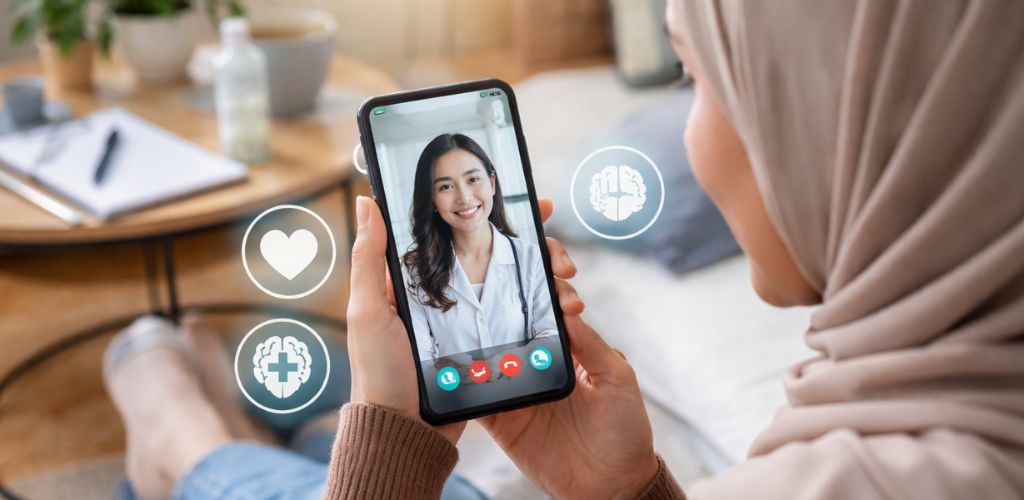
People in Indonesia have always gone to a private hospital or clinic in a city for mental health care. Still, this strategy is considered excessively time-consuming and costly by many families, particularly those residing outside of major cities. Now you may save both time and money on therapy appointments by just calling a therapist.
The government’s efforts to integrate digital healthcare also help the growth of teletherapy. The SATUSEHAT Mobile project and other parts of the national health system are working to make it easier to get screening and follow-up services. By integrating teleconsultation paths with instruments that aid in early issue detection, these systems provide faster access to assistance.
The situation is similar to that of other Asian nations. For instance, Singapore and South Korea are also adding more digital mental health treatment to help people deal with the stress of getting older and living in cities.
Social Drivers Behind Teletherapy Adoption
Urban Stress and Changing Work Culture
The economy of Indonesia is growing quickly, which means there are more jobs. But it has also made work more stressful and longer. Young people who work in Jakarta, Surabaya, and other big cities say they are stressed and burned out because they don’t feel safe at work and the cost of living is high.
You can get help from teletherapy without it getting in the way of your job. This is very important in Asian cultures because people are too embarrassed to ask for help with their mental health. You can talk to a counselor from home to help you get over social barriers and make your treatment more regular.

Youth Awareness and Digital Literacy
A lot of Indonesian teens use social media and their phones. People are more likely to use teletherapy services than go to a clinic because they are already used to using technology. When teens and young adults are feeling bad, they often think it’s easier to talk to someone online than face-to-face.
However, this shift also results in the rise of concerns over data protection and quality assurance. These problems are still very much present in Asia’s digital healthcare industry.
Policy and Industry Impact
Government Integration with Public Health Systems
Legislation in Indonesia is slowly but surely incorporating digital healthcare. Programs in Indonesia that seek to anticipate and prevent health problems are supervised by the Ministry of Health. Online mental health assessments are one option.
Incorporating teletherapy within a larger public health system may ultimately help cut healthcare costs. Getting assistance for mental health issues early on helps people remain productive, avoid missing work, and save money on costly medical care down the road. Investors also concern more on investing into digital health infrastructure because it makes financial sense.
Opportunities and Challenges for Businesses
Teletherapy also heavily transforms digital health sector in Indonesia. Counseling, stress management programs, and phone consultations with psychiatrists are just a few of the services offered by telemedicine corporations and new ventures. More and more businesses are using digital platforms to add mental health benefits to their health plans for employees.
But the people who make the rules and work in the field don’t always get it right. Still, it’s hard to make sure that licensed therapists do online therapy, follow the rules of ethics, and work with national insurance plans or BPJS. With the help of digital healthcare, individuals in other Asian markets are also coming up with innovative ideas and methods to ensure that patients continue to feel comfortable.
Cultural Context: How to Deal with Stigma and Trust

People continue to discuss things related to mental health in a variety of ways in several Asian nations, such as Indonesia. It is possible that individuals who adhere to cultural beliefs that prioritize the support and strength of their families are less likely to seek the assistance of a professional. Teletherapy helps with this by giving people a private way to get help, but it still takes a long time for people to get used to it.
Belief is a different thing. Patients need to be sure that digital consultations are safe and private. We need campaigns to get the word out and clear rules to help people feel more sure that teletherapy can really help people with mental health problems. In the long run, healthy living can be promoted more in Indonesia without much cultural barrier.
Economic and Regional Significance
These days, a lot of people in Indonesia are using teletherapy. This is part of a bigger trend in Asia toward using more technology in healthcare that costs less. Digital mental health care is one way for governments to deal with the rising costs of health care and an aging population.
Two ways that healthier workers help Indonesia’s economy are by keeping the job market stable and slowly lowering health care expenditures. Southeast Asian nations can learn from Indonesia’s plan to employ digital technology to make healthcare more accessible for everyone.
Last Thoughts
The growing popularity of teletherapy in Indonesia shows that digital health care may help more people get cheap mental health treatments. Teletherapy is becoming a key element of the country’s health strategy. It is due to the way it integrates with public health systems, its simplicity for individuals to access, and how it can alter with societal stigma and traditions. This decision is good for the economy in the long run since it makes workers stronger and lowers the cost of health care. Changes in the healthcare sector in Asia are making digital mental health therapy more important.