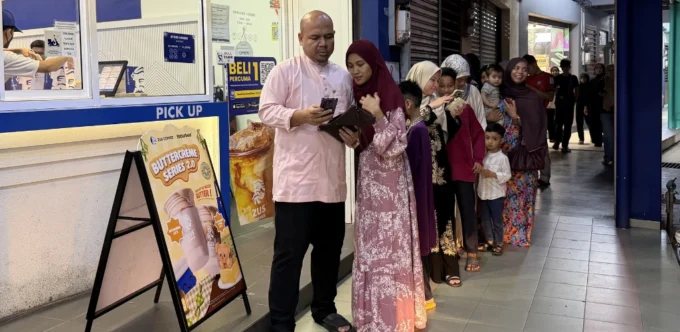

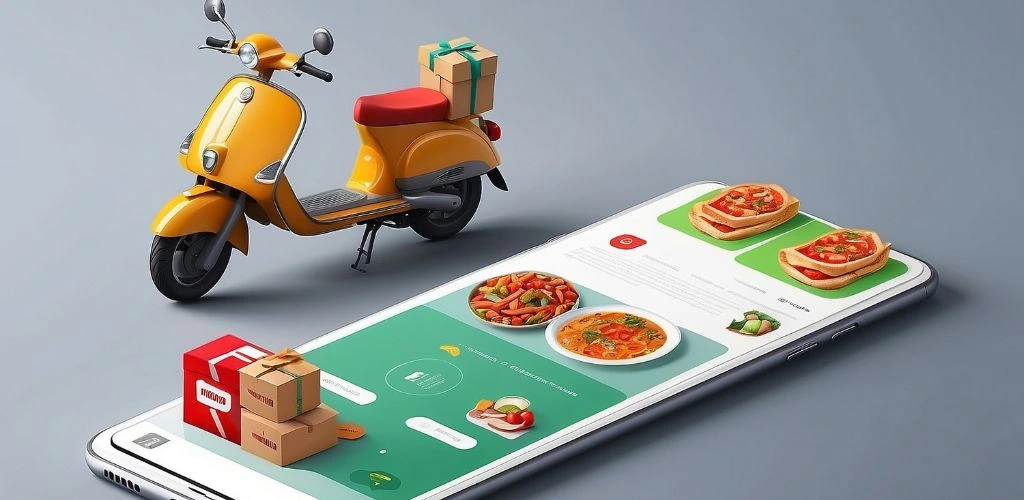

Walk through any busy neighbourhood in Jakarta, Surabaya, or Bandung today and something subtle has shifted. Fewer diners sit inside small warungs studying laminated menus. Many are at home instead, phone in hand, scrolling through GoFood or GrabFood.
A bowl of nasi goreng might come from a kitchen the customer has never visited. A matcha latte may belong to a brand that exists only inside a delivery app. The shift reflects a deeper transformation happening inside Indonesia’s food & beverage industry.
Digital platforms are not simply adding convenience. They are quietly changing how restaurants operate, how customers discover food, and how the business of dining works across Indonesia’s cities.
Indonesia’s online food delivery market is now one of Southeast Asia’s largest. A young, mobile-first population and some of the world’s highest social media engagement rates are driving that growth. Restaurant operators are no longer asking whether to go digital. The real question is how quickly they can adapt.
When the App Became the Restaurant
Delivery apps have become part of daily language in Indonesia. In Jakarta, someone ordering lunch might simply say they “GoFood-ed it.” That small shift in language hints at a larger behavioural change.
Platforms such as GoFood and GrabFood have shortened the distance between craving and consumption to a few taps. Restaurants that once depended on walk-in customers now reach thousands of potential diners through a smartphone screen.
The pandemic accelerated this transition. Lockdowns pushed restaurants to experiment with digital ordering almost overnight. Many discovered that delivery revenue could rival physical dine-in sales on certain days.
Those habits have largely stayed. Customers who started ordering food online out of necessity now do it because it is easier.
Competition inside the food delivery Indonesia market has also intensified. ShopeeFood’s entry brought aggressive promotions and new discounts that helped expand the user base. Lower delivery costs encouraged more consumers to order regularly.
But there are costs that come with the ease.
Most of the time, restaurants pay between 20 and 30 percent of each order as a commission. To get more visibility on these applications, you frequently have to spend more money on advertising. For small businesses, the expense of remaining visible may rapidly cut into their already narrow profit margins.
Cloud Kitchens Are Redefining Restaurant Operations
One of the most significant structural changes in the food & beverage industry is happening behind the scenes.
What Are Cloud Kitchens?
Cloud kitchens — sometimes called ghost kitchens or dark kitchens — operate without storefronts or dining rooms. These kitchens focus entirely on delivery orders placed through digital platforms.
Customers never visit them physically. Orders move straight from kitchen to courier.
Why the Model Is Expanding
For many restaurant operators, the appeal of cloud kitchens becomes obvious once the cost structure of traditional dining spaces enters the conversation.
Opening a full restaurant in central Jakarta can require significant upfront capital. Rent in high-traffic areas is expensive. Interior design, furniture, and front-of-house staff add another layer of spending before the first plate of food is even served.
A cloud kitchen works very differently.
Instead of investing in a visible location, operators can set up in lower-cost commercial spaces or shared kitchen facilities. The focus shifts entirely to production and delivery rather than walk-in traffic.
That shift changes the economics of the business.
One kitchen may produce several food concepts at the same time. A fried chicken brand might operate alongside a rice bowl menu and a late-night noodle concept — each appearing as a separate listing on delivery apps. To the customer scrolling through a smartphone, they look like independent restaurants. Behind the scenes, they may come from the same kitchen team.
This flexibility makes experimentation easier. New menus can be tested without committing to long leases or expensive renovations. If a concept performs well online, operators can expand it quickly. If it fails to gain traction, the brand can quietly disappear from the platform without major financial losses.
Restaurant groups have begun using this model to extend their reach beyond their original cities.
A brand based in Surabaya, for example, might serve customers in Tangerang through a partner kitchen without opening a physical branch. Expansion becomes less about location and more about logistics.
In practice, that shift is slowly reshaping how the food & beverage industry grows in Indonesia’s digital economy.
Restaurants Are Trying to Reclaim the Customer Relationship
Digital platforms bring reach. However, they also create a strategic challenge.
Restaurants using delivery apps often do not own their customer data. The relationship technically belongs to the platform.
If a delivery app changes its algorithm, adjusts commission fees, or pushes competitors through promotions, restaurant visibility can drop overnight.
That risk is encouraging many restaurants with online ordering to develop their own customer channels.
WhatsApp as a Direct Ordering Tool
WhatsApp Business has turned out to be an unexpected answer.
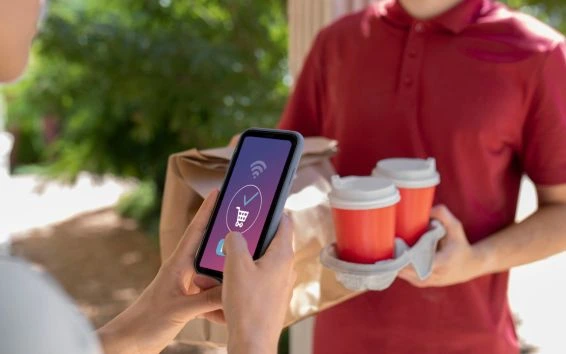
A lot of Indonesian eateries now let you place orders directly via WhatsApp conversations. They keep records of those who get their broadcasts, give out daily menu changes, and send out deals to regular consumers.
The approach is simple but effective. In Indonesia, WhatsApp functions almost like a digital public square. Customers already use it daily, which makes ordering food through chat feel natural.
Investing in Owned Digital Platforms
Larger restaurant groups are taking the idea further.
Some brands now operate:
- Dedicated ordering websites
- Mobile loyalty apps
- Customer relationship management systems (CRM)
These tools allow restaurants to understand purchasing behaviour directly. Over time, businesses aim to convert delivery-app customers into direct buyers, reducing their reliance on platform commissions.
Social Media Is Now a Food Discovery Engine
Digital ordering has changed how Indonesians discover food as well.
TikTok and Instagram increasingly act as discovery platforms for restaurants. A short video featuring a visually striking dish can generate hundreds of orders within hours.
Food creators and micro-influencers hold growing commercial influence. Many restaurants now treat social media content as part of their marketing strategy rather than an afterthought.
Packaging design also matters more than before. Meals must survive delivery while still looking appealing on camera.
For younger urban consumers, values are shifting too. Interest in ingredient transparency, sustainability messaging, and locally sourced produce is growing among millennials and Gen Z diners.
Brands that communicate these values clearly online often build stronger communities around their products.
The Road Ahead for Indonesia’s Digital F&B Economy
Indonesia’s delivery ecosystem is still evolving, and not every part of the system is running smoothly yet.
Outside Java, logistics remain uneven. Deliveries can take longer, and coverage from major platforms is still limited in some cities. For restaurants hoping to scale nationally, that gap matters.
Packaging standards are another growing concern. Food that travels well requires thoughtful design, and not every operator has figured that out. Poor packaging can turn a good meal into a disappointing delivery experience.
Margins are also tightening.
Heavy discounting helped delivery apps grow quickly. At the same time, constant promotions are difficult for smaller restaurants to sustain. Operators now have to balance visibility on platforms with the financial reality of high commission fees.
Even the drivers behind this ecosystem are becoming part of the conversation. As the sector expands, questions about rider income, working conditions, and regulation will likely attract greater attention from policymakers.
Yet despite these growing pains, the direction of the industry seems fairly clear.
Digital ordering is no longer just an add-on to the traditional restaurant model. For many operators, it has quietly become the backbone of the business.
Restaurants launching today often start with delivery in mind first. Dining rooms come later — if they come at all.
Conclusion
Indonesia’s dining culture is changing, but not in a way that removes the social experience of food.
People still gather at cafés. Warungs are still busy during lunch hours. Street food remains part of everyday life in cities and smaller towns alike.
What has changed is the layer of digital infrastructure surrounding that culture.
People increasingly use delivery apps, social media discovery, and internet ordering systems to locate their next meal. Restaurants that understand this shift are redesigning menus, packaging, and marketing around the way customers actually eat today.
Some will succeed. Others will struggle with the economics of platforms and promotions.
Either way, the transformation is already underway. Indonesia’s food & beverage industry is gradually becoming a digital-first ecosystem — one where kitchens, apps, and social media feeds are all part of the same marketplace.
The restaurants that learn how to operate inside that environment will likely define the next phase of Indonesia’s food culture.
FAQ
What is a cloud kitchen in Indonesia’s food & beverage industry?
A cloud kitchen is a commercial cooking facility designed exclusively for delivery orders. Customers cannot dine there. Many Indonesian food brands use cloud kitchens to launch new concepts quickly while reducing rental and operational costs.
Why are food delivery apps so popular in Indonesia?
The popularity of food delivery Indonesia platforms comes from widespread smartphone use, fast urban lifestyles, and strong app ecosystems such as GoFood, GrabFood, and ShopeeFood. These platforms make ordering food quick and convenient.
How can restaurants reduce reliance on delivery platforms?
Restaurants increasingly use WhatsApp Business, loyalty programs, or their own websites to let customers order directly. These solutions let companies talk to clients directly without having to pay the hefty costs that delivery platforms charge.