

business trends asia
Industry TrendsWork & Industry

Indonesia’s Manufacturing Growth and Business Trends Asia

URL copied
Share URL copied

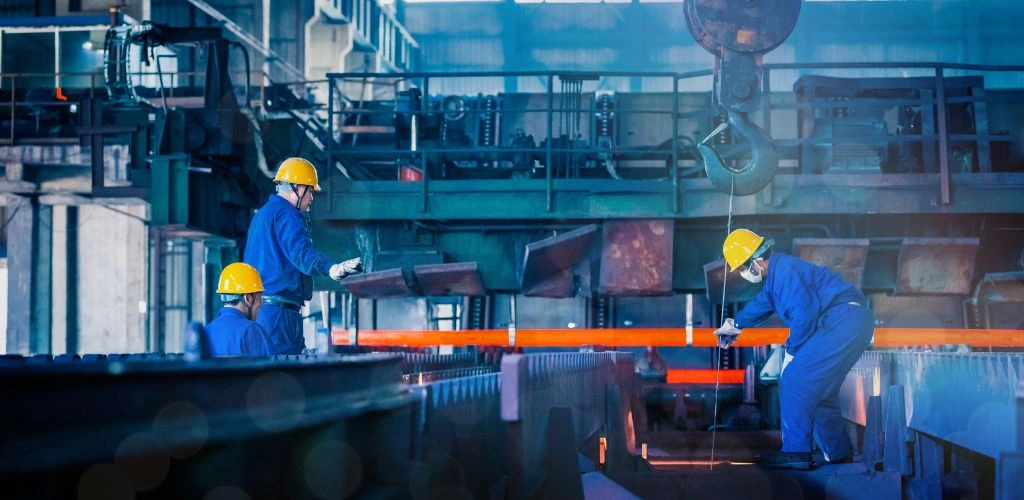
Drive through parts of West Java or the outskirts of Surabaya and you can see it. New warehouses. Expanded factory floors. Trucks lining up at industrial gates before sunrise.

Indonesia’s manufacturing industry is picking up pace again. And this momentum is not happening in isolation. It connects directly to a wider business trends Asia story — one where production capacity, supply chain security, and industrial upgrading are back in focus.

Manufacturing is no longer viewed as old economy. It is becoming strategic again.

A Sector Regaining Confidence

For years, Indonesia relied heavily on commodities. Coal, palm oil, raw minerals. These brought revenue, but they also exposed the country to price swings.

Now the emphasis is shifting. The manufacturing industry is being positioned as a stabilizer. It offers steady employment, predictable exports, and stronger domestic linkages. That shift in mindset matters as much as the output numbers.

Industrial growth today is not just about building more factories. It is about building resilience.

Export Strength Still Matters

Exports remain a key driver. Automotive parts, processed metals, food products, and electronics assembly continue to anchor Indonesia’s external trade. The difference now is the growing push toward value-added goods.

Instead of exporting raw nickel, the country processes more of it domestically. Instead of simple assembly, some manufacturers are moving toward higher-spec components. This move up the value chain is visible across Asia. Countries are competing not just on cost, but on capability.

That is where Indonesia fits into the broader business trends Asia landscape.

Industrial Zones Are Expanding

Visit major industrial estates and you’ll notice another pattern. Integrated parks now offer more than factory space. They provide logistics services, stable power supply, waste management systems, even digital infrastructure.

Better roads and upgraded ports are reducing transport bottlenecks. While challenges remain, the improvement is visible. Industrial growth depends on these foundations. Without them, production stays small-scale. With them, scaling becomes realistic. Indonesia is trying to close that gap.

Automation Is Slowly Changing the Factory Floor

Walk inside a modern plant and you’ll see fewer purely manual processes. Robotics are not everywhere yet. But automated sorting systems, digital monitoring panels, and smart inventory tracking are becoming more common in larger facilities.

This matters for competitiveness. Across Asia, productivity gaps are narrowing. Countries that fail to modernize risk losing contracts to faster, more efficient producers. Indonesia’s manufacturing industry understands that pressure.

The pace of adoption may not be dramatic. But the direction is clear.

SMEs Remain Central to Industrial Growth

Big factories draw attention. But smaller providers keep the ecosystem going. Thousands of small and medium-sized businesses provide parts, packaging, and other services. These companies immediately gain as industrial expansion picks up speed.

Digital platforms are making it easier for smaller producers to find bigger consumers. E-procurement systems reduce paperwork. Online marketplaces allow niche producers to find new customers. This inclusion strengthens the broader manufacturing industry.

Growth that spreads across company sizes tends to last longer.

Competition Is Regional

Indonesia does not operate alone. Vietnam continues to attract export-oriented factories. Thailand has long-standing automotive strength. Malaysia offers advanced electronics infrastructure. Competition inside Southeast Asia is real.

That is why policy consistency matters. Investors look for stability. Before investing money, they look at the quality of the infrastructure, the tax system, and the rules for workers. Indonesia’s edge comes from its size. It has a big enough domestic customer base to handle manufacturing, which means it doesn’t have to rely on exports alone.

That balance is attractive.

It also shapes business trends Asia discussions about where production networks will expand next.

manufacturing industry

Workforce and Productivity

A young population is an asset. But manufacturing today demands more than basic labor. Technical skills, engineering capacity, and operational management determine how far industrial growth can go.

Training programs are expanding. Some companies are investing directly in workforce development. Vocational schools are being encouraged to align curricula with industry needs.

Progress takes time. But long-term manufacturing competitiveness depends on skill depth, not just labor availability.

Why This Matters Beyond Indonesia

Indonesia is Southeast Asia’s largest economy. When its manufacturing industry expands, supply chains shift. Raw material flows adjust. Regional logistics routes change. Investment capital moves differently.

That influence makes Indonesia central to the evolving business trends Asia narrative. Manufacturing is once again seen as a pillar of economic security across the region. Governments want domestic production capacity. Companies want diversified sourcing.

Indonesia fits both goals.

Public Impact

Industrial growth supports employment across urban and semi-urban areas. Factories provide a secondary need for housing, stores, transportation, and local services. Industrial clusters often alter adjacent municipalities.

Steady industrial production also gives you more stable income than commodities booms. For a country with a large and growing workforce, that stability is valuable.

The manufacturing industry does not just produce goods. It supports communities.

The Path Forward

Indonesia’s progress is steady, not explosive. There are still constraints — energy reliability in some regions, regulatory complexity, and logistics costs that need improvement. But the foundation is strengthening.

If infrastructure upgrades continue and productivity rises gradually, industrial growth will remain a defining force in the next phase of business trends Asia. Not because of sudden disruption. But because of sustained, disciplined expansion. And sometimes, that kind of growth matters more.

Frequently Asked Questions

What makes Indonesia's industrial sector vital for Asia?

It has an effect on the supply chains, export flows, and investment patterns in Southeast Asia.

Value-added output, improvements to infrastructure, demand for exports, and the slow adoption of new technologies.

Countries in Asia are strengthening their industrial capabilities and making their supply chains more diverse. Indonesia’s growth is a sign of that bigger change in the region.

Share URL copied
Related Articles

Thailand Approves New Green Industry Tax Incentives

Thailand’s green industry incentives are a big step toward bringing back the...

Liberty General Insurance Malaysia Expands EV Protection

Electric vehicles are becoming more common on Malaysian roads. With more charging...

Fintech Asia Growth: Vietnam Market Reaches $4.33 Billion

The fintech Asia environment is very dynamic, and Vietnam is one of...

Indonesia Warehouse Automation Growth in 2026

Step inside a large fulfillment center in West Java and you’ll notice...