
In many Philippine towns, the public market was the main place where people did business before supermarkets and retail malls became popular.
There, people could buy fresh fish, meat, veggies, and things for their homes. Over the years, and often decades, vendors built up a loyal consumer base.
That custom has never truly gone away.
But a lot of public marketplaces were constructed a long time ago. Some buildings are forty or fifty years old. As cities grew and more people moved in, the old buildings started to seem old.
Now, in a number of Philippine cities, public market rehabilitation programs are steadily changing these areas.
The idea is not to get rid of them, but to make them operate better for the communities of today.
If you walk through a normal market early in the morning, you’ll realize why these sites are still vital.
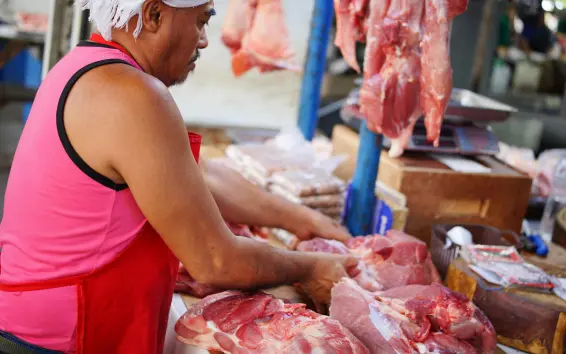
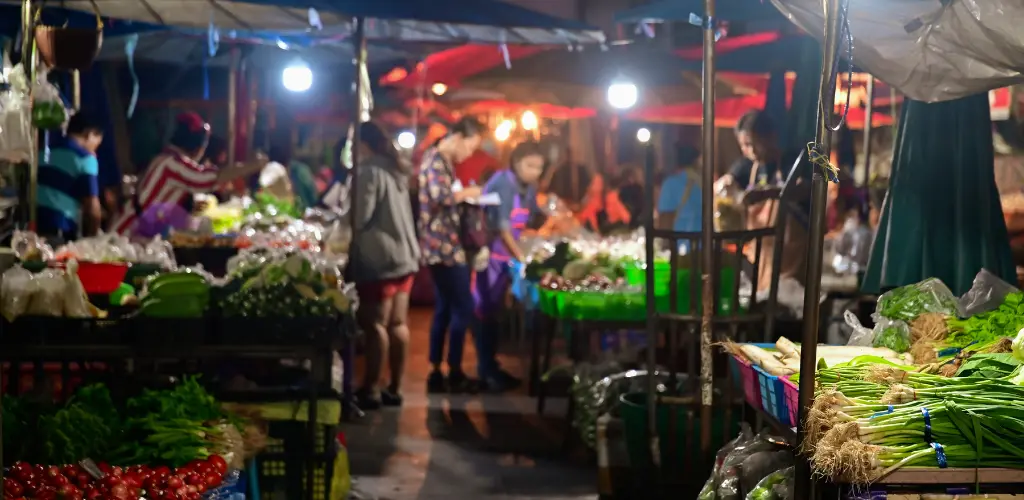
Nearby farms send us vegetables directly. Coastal ports are where fresh seafood comes from. While sellers get their stalls ready for the day, meat suppliers drop off their orders.
For a lot of families, the market is still the best place to get food. Prices are frequently lower than in supermarkets, and customers can choose out items directly instead of from packaged shelves.
The market is more than just a place to work for sellers.It is a way to make a living.
These stalls are important for thousands of small business owners who need to feed their families.
A lot of older market structures weren’t built to hold as many people as there are now.
Over time, a number of issues began to show themselves. When it rained heavily, drainage systems had a hard time. There wasn’t enough air flow for congested stalls. Most of the time, electrical wiring needed to be updated.
As marketplaces got busier, it also got tougher to keep things clean. Local governments started to see that modest fixes weren’t enough anymore.
In a lot of situations, the only real answer was to completely reconstruct the area.
Today’s public marketplaces seem different from the ones that came before them.
Designers now put greater thought into things like food safety, waste management, and ventilation. New layouts usually have wider walkways, better lighting, and vendor areas that are easier to find.
Some marketplaces also include cold storage rooms for seafood and meat. These updates can seem technical, but they make a big difference in how things work every day.
Vendors can keep their wares safer. Customers may move around the space more easily.
And market managers may keep things cleaner in general.
Redevelopment projects need to find a balance between making things better and protecting jobs.
For years, many sellers have worked in the same markets. Moving during construction can hurt your income if you don’t do it right.
Cities frequently deal with this by creating temporary trading districts nearby while the area is being redeveloped.
After the building is finished, vendors can go back to the new buildings.
The hard part is making sure that stall rental fees stay low.
Small enterprises have long used public markets. If redevelopment makes expenses too high, the individuals who these marketplaces help could be forced to leave.
Markets are also very crucial for getting food where it needs to go.
Farmers in adjacent provinces often sell their crops at metropolitan markets. Fishermen bring in their daily catches, which sell rapidly at market kiosks.
These markets act as unofficial logistics hubs in a lot of ways.
Updated facilities assist make this job stronger.
Better drainage keeps things from getting dirty. Better waste management lowers the chance of getting sick. Organized storage spaces keep food fresh. These adjustments are good for both sellers and buyers.
Markets are more than just places to buy and sell things.
When people shop, they meet their neighbors. Vendors get to know their frequent consumers on a personal level.
Talking is as natural as doing business.
This is starting to be understood by redevelopment initiatives.
Some new market designs have open seating spaces or tiny food courts where people can sit and consume local food.
The market becomes a place for the community to gather instead of just a place to buy things.
Big building projects always come with problems.
Moving temporarily might be hard for suppliers. Funding can be hard to come by, especially for smaller towns and cities. It’s also important to talk to the public.
When plans for redevelopment are made public, market merchants, city authorities, and citizens often have various things they want to happen. It takes careful preparation to balance these points of view. Even with the problems, many cities still think that modernization is vital for long-term growth.
The rebuilding of public markets shows how cities in the Philippines are changing in a bigger way. The number of people living in cities is going up. However, it is getting more and more difficult to understand the food supply systems that are in place. It is important to make changes to the infrastructure to accommodate the new needs that are required.
Cities can be made to improve without losing an important part of their culture by improving old markets that are in the area. It is important that redevelopment projects do not lose the function of the markets and replace them with shopping malls. Instead, they want to retain their function and make them more functional.
In the end, in the Philippines, the public markets have always been a part of life because they bring together farmers, sellers, and customers in a way that big stores do not.
Redevelopment projects are improving the areas to make them more functional while at the same time preserving the businesses that depend on them. It will make sure that the public markets remain at the center of life for a long time.
For more Asia stories, check out riseasia.com.
Public market redevelopment refers to the renovation or rebuilding of traditional public markets to improve facilities, sanitation, safety, and overall trading conditions for vendors and shoppers. These projects often include better infrastructure, organized stalls, and modern amenities.
Redevelopment helps boost local economies by creating better spaces for vendors to sell their products, attracting more customers, and supporting small businesses. It also improves accessibility, cleanliness, and safety for the community.
Redeveloped markets often feature improved layouts, proper waste management systems, better ventilation, upgraded stalls, and sometimes digital payment options, making the trading environment more efficient and comfortable for both vendors and buyers.
For the first time, Disney’s The Lion King Live in Concert will...
Luckin Coffee Malaysia is back with a Raya 2026 collaboration, once again...
Canon Malaysia has put out a short film for Raya called “Kasih...
Shopee’s Raya promotion has been getting a lot of attention across Malaysia,...