

food and beverage asia
City & CultureLiving Asia

Food and Beverage Asia: Thai Culinary Giants in Vietnam

URL copied
Share URL copied

The food and beverage Asia landscape is witnessing a massive change, especially as players in the region are looking to move beyond their own borders to capitalize on the increase in post-pandemic consumer spend. Here, we are witnessing a major shift in the way Thai hospitality and food majors are moving into Vietnam. This, of course, is not just about the sharing of recipes, but it’s also a sign of urban economic development.

A Market Driven by Urbanization

Vietnam has been identified as a key target due to its high rate of urbanization and its demographic makeup of a young and middle-class society with a strong affinity for Southeast Asian cuisine. According to latest reports available in the market, the F&B sector in Vietnam has been identified to grow at a compounded annual growth rate (CAGR) of over 10% in the coming years. For Thai businesses, it’s a golden opportunity to look beyond their saturated home turf to expand operations.

Thai Food Trends in Vietnam

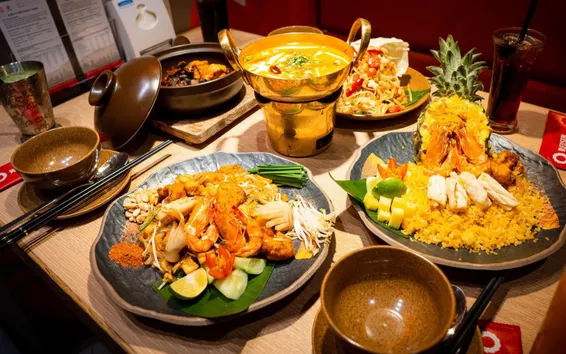
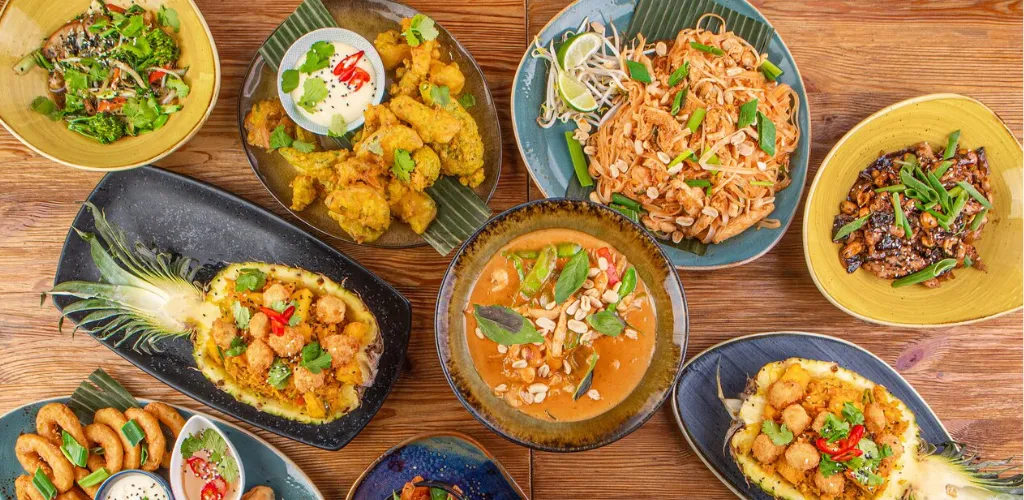
There has been a notable shift in Thai food trends in major cities in Vietnam like Ho Chi Minh and Hanoi. It’s no longer about street food like Pad Thai; it’s about upscale dining in shopping malls and other food business in thailand franchises. Large conglomerates in Thailand are introducing sophisticated F&B business models in Vietnam’s competitive F&B sector, including upscale “hot pot” and cafe business models.

The influx of capital and expertise is a good indicator of a recovering industry. As these brands gain traction in their respective spaces, they contribute to the local economy through job creation and an improved supply chain standard, thereby enhancing the lifestyle economy.

Thai food trends
Thai Food Restaurant

Why Vietnam?

The symbiosis between the two countries can be attributed to cultural affinity and geographical convenience. The supply chain for Thai brands is shorter, and the local audience has come to associate Thai brands with quality. This is what expansion looks like for emerging economies, where regional integration is the key driver of economic growth, where successful homegrown brands of one country are adapted to service the needs of another emerging economy.

Looking Ahead

As other Thai brands launch their “Vietnam Chapters” as well, the competition will only become stiffer. But competition, after all, is what drives innovation for the local food and beverage asia sector, which ultimately translates to the benefit of the local audience.

Discover more insights on dining and food culture across Southeast Asia. Visit RiseAsia for stories about culinary experiences in the region.

FAQs

Why are Thai F&B brands expanding into Vietnam right now?

Thai brands are targeting Vietnam due to its rapid urbanization, rising middle-class disposable income, and strong post-pandemic tourism recovery.

The current trends focus on premium mall-based dining, specialized Thai tea franchises, and modernized authentic hot pot concepts.

This expansion drives urban economic growth by creating new jobs, improving logistics infrastructure, and attracting further foreign direct investment.

Share URL copied
Related Articles

The Lion King Live in Concert Makes Its KL Debut

For the first time, Disney’s The Lion King Live in Concert will...

Luckin Coffee Raya 2026 Brings Drinks and Style Together

Luckin Coffee Malaysia is back with a Raya 2026 collaboration, once again...

Sofyank’s Canon Raya Film Tells a Story About Love and Family

Canon Malaysia has put out a short film for Raya called “Kasih...

Free Coffee Campaign by Shopee Brings Crowds Together

Shopee’s Raya promotion has been getting a lot of attention across Malaysia,...