

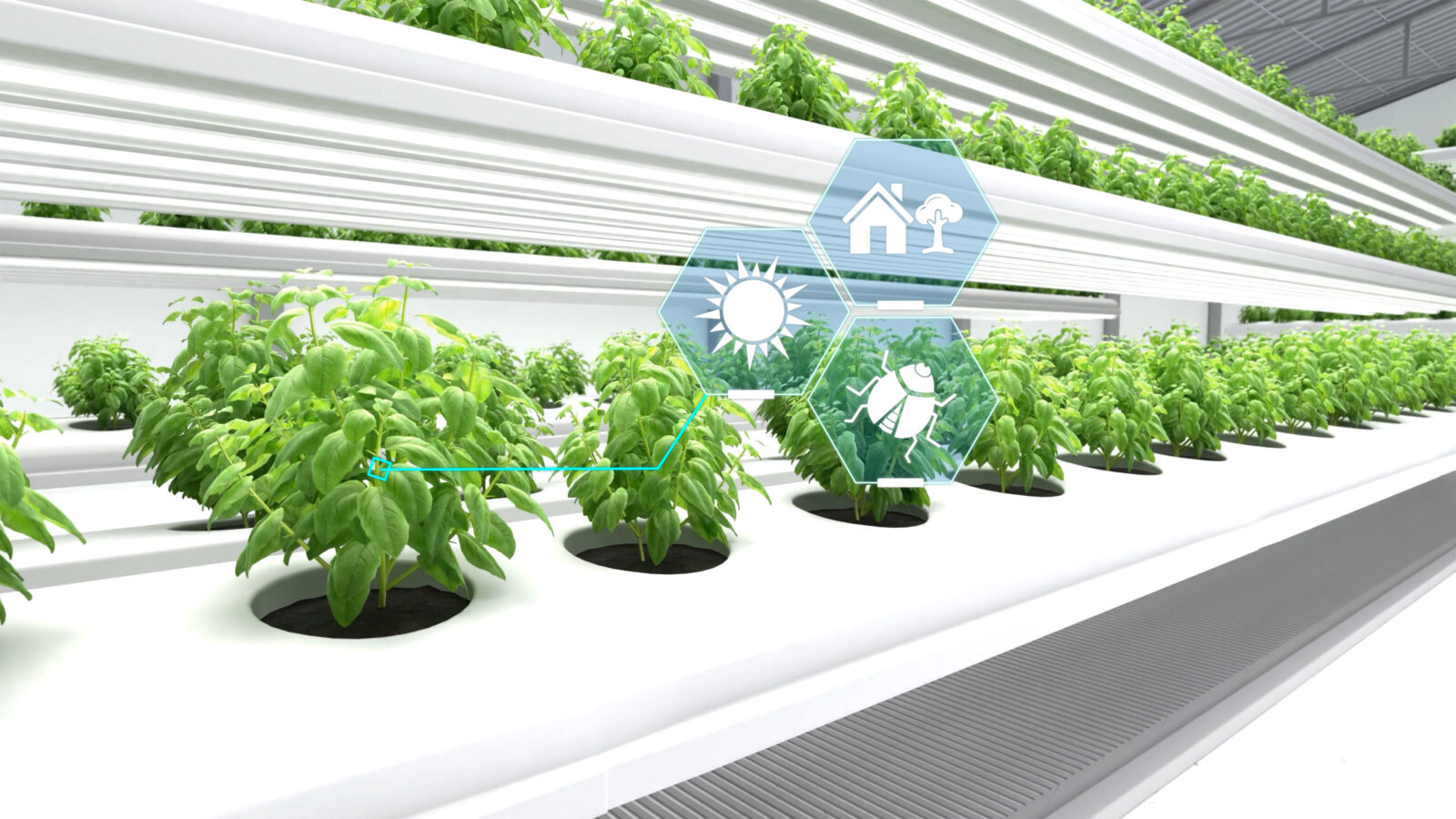

AgriTech startups are changing Thailand’s rural economy in many ways. This is a new generation that changes how farmers in Thailand grow, manage, and sell their crops by using drone mapping, AI-powered crop analytics, and smart irrigation systems in a field that has long been linked to traditional farming methods.
Agriculture makes up about 8-10% of GDP and employs almost a third of the workforce, especially in rural areas, showing how agriculture plays a key part in Thailand’s economy. Yet the sector has faced different pressure including climate volatility, rising input costs, labor shortages, and increasing global competition.
For a lot of founders, this problem isn’t a problem but it’s an opportunity.
From Traditional Fields to Smart Farms
Technology is moving into rice paddies and fruit plantations faster than ever before in provinces like Chiang Mai, Khon Kaen, and Nakhon Ratchasima.
Startups are using:
- Spraying and mapping crops with drones
- Analysis of soil and weather using AI
- IoT sensors to make irrigation better
- Mobile platforms for managing farms
These solutions are part of a larger group of Thai agricultural technologies that aim to increase yield while lowering costs.
One AgriTech founder in Bangkok says, “Farmers don’t want things to be complicated.” They want answers that make things more productive and less uncertain. “Technology needs to be easy to use, cheap, and able to grow.”
Innovation for its own sake is no longer the main goal. Instead, the focus is on getting things done in the real world.
Data-Driven Farming Gains Momentum
Digital adoption in farming is still growing, but it is happening faster.
The Thai Ministry of Agriculture and Cooperatives says that smart farming Thailand programs have grown a lot in the last five years, thanks to public-private partnerships that promote precision agriculture.
The Thailand 4.0 program, which is supported by the government, aims to modernize rural areas by:
- Help with smart equipment
- Courses on how to manage a digital farm
- Programs to certify drone pilots
- AgriTech startup platforms
Farm digitization is still lower than in urban businesses, but it is steadily growing, especially among younger farmers and small and medium-sized agricultural businesses.
This story about Thailand’s digital transformation in agriculture is part of a bigger change in the economy, now rural areas are no longer on the outside looking in they are now active participants in the digital economy.
Founder Spotlight: Bridging Technology and Tradition
Several Thai AgriTech startups are leading this transition.
Drone-Based Precision Agriculture
An engineering graduate from Chulalongkorn University started a company that now runs fleets of agricultural drones that can:
- Using multispectral imaging to check on the health of crops
- Cutting down on pesticide use by as much as 30%
- Covering big farms in a fraction of the time it takes to spray them the old way
The founder says:
“Patterns in the weather are less reliable. Farmers need data that is up to date. “Drones help control costs and respond faster.”
Using fewer chemicals is also in line with global standards for sustainability, which is becoming more and more important for Thai export crops.
AI-Powered Crop Analytics
Another tool is a specialized AI-driven crop forecasting startup in Chiang Mai
The platform uses satellite data and machine learning models to predict changes in yield and disease risks. Farmers get text messages on their phones that tell them to change their irrigation or pest control methods.
The founder said, “We are not replacing farmers.” We are making it easier to make decisions. “Data makes farming stronger.”
These examples show how AgriTech innovation Thailand is becoming a big part of how farmers do their jobs every day.
Climate Resilience as a Growth Catalyst
The agricultural sector in Thailand is at greater risk from climate change because of things like erratic rainfall, cycles of drought, and temperature changes.
Smart farming solutions offer:
- Monitoring how well water is used
- Optimizing soil moisture
- Systems that warn people about bad weather in advance
- Crop diversification data help
- Climate resilience is not only environmental; it is also economic.
Better yield prediction makes farmers’ incomes more stable. This helps small and medium-sized businesses grow in rural areas of Thailand because farming families spend money on equipment, logistics, and local services.
The Ministry of Agriculture has stressed the importance of using technology as part of long-term planning for sustainability. This has strengthened the partnership between startups and cooperatives.
Export Competitiveness and Quality Control
Rice, rubber, sugar, fruit, and seafood are some of the things that Thailand sends to other countries. More and more, international markets want proof of traceability, safety compliance, and sustainability.
Now, AgriTech platforms let you:
- Systems for tracking food from the farm to the store
- Automating the grading of quality
- Digital records for the supply chain
- Keeping an eye on export compliance
These changes make Thailand more competitive in high-value markets like Japan, the EU, and the Middle East.
Experts say that even a 5–10% increase in agricultural productivity could have a big effect on national export revenue and help close the gap between rich and poor people in rural areas.
So, technology is more than just a tool for the farm; it’s a macroeconomic lever.
Challenges: Adoption, Cost and Education
Despite progress, some barriers remain.
Key Constraints
- Initial equipment investment costs
- Limited digital literacy in older farming communities
- Fragmented land ownership structures
- Uneven rural internet connectivity
Many startups use a shared service model to deal with this. Instead of selling drones directly, they offer drone-as-a-service (DaaS) solutions. This lets cooperatives use the technology without having to spend a lot of money.
There are also more and more educational partnerships with local colleges and universities that teach agriculture. Upskilling the workforce is necessary for long-term succes
The Rise of Rural Entrepreneurs
The biggest change may be in culture.
Young Thais who used to move to Bangkok for work are now thinking about starting their own businesses in agriculture, but not as workers.
Smart farming Thailand projects are changing the way we think about farming as:
- Based on data
- Aware of the environment
- Business-minded
- Connected around the world
This fits with Thailand’s bigger goals for its digital economy.
AgriTech startups are not only helping farmers; they are also encouraging a new generation to see rural development as a place where new ideas can grow.
Why This Matters for Thailand’s Economic Growth
Thailand AgriTech reflect structural transformation in mainly three key areas involving:
1. Productivity Upgrade
Precision agriculture increases yield efficiency and lowers operational costs.
2. Climate Adaptation
Data tools reduce vulnerability to weather volatility.
3. Export Strengthening
Improved traceability enhances global competitiveness.
As farming gets more modern, income stability in rural areas gets better. This boosts domestic consumption, eases the pressure to move to cities, and helps the country grow in a more balanced way.
Thailand’s rural transformation is a lot like the country’s overall development story: it mixes old ways with new technology.
A Digital Future Rooted in the Soil
Thailand’s farms are no longer cut off from new technology. AgriTech founders are changing how productive rural areas are by using drones, AI analytics, and government-backed smart farming programs.
The change won’t happen right away. It takes time to adopt. Education is still very important. There must be fewer gaps in infrastructure.
But things are getting more and more exciting.
Thailand AgriTech startups are showing that modernization doesn’t mean giving up on tradition; it means making it stronger through new ideas.
They are growing not only crops, but also a stronger rural economy by doing this.
Read more Asia news on RiseAsia.com