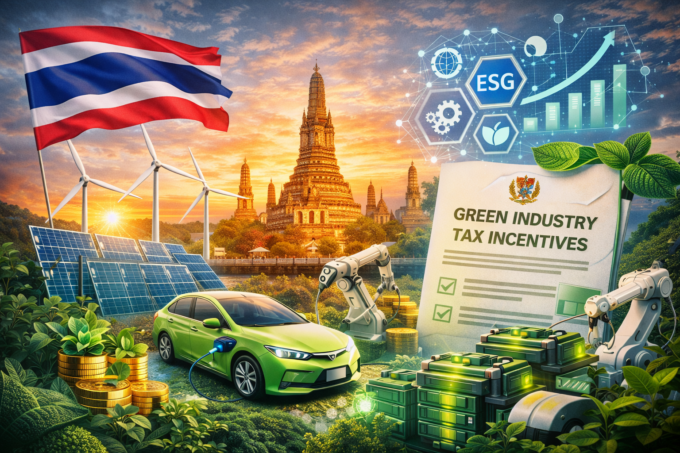



The Board of Investment (BOI) is adding to its EV 3.5 package to draw in manufacturers, battery producers, and other important stakeholders in the supply chain. This will help Thailand get even closer to electric mobility by 2025.
The new incentive system includes tax incentives, lower import levies, and production subsidies for making batteries and electric cars (EVs). It also makes local production rules stricter so that Thailand’s industrial base may grow instead of only depending on vehicle imports.
The move illustrates that the country, which has long been considered as Southeast Asia’s automotive powerhouse, is both the same and different.
What Went Wrong
The BOI said it would add to its EV 3.5 incentive package, which is aimed to speed up investment commitments between 2024 and 2027. The program has:
- Exemptions from corporate income tax for companies that develop electric vehicles and batteries
- Lower taxes on parts and machines that need to be imported
- Subsidies for those who buy electric vehicles (EVs) built in their own nation
- Goals for production that need to be put into place gradually in the area
Since the implementation of earlier EV 3.0 and 3.5 measures, Thailand has been actively helping to develop electric cars (EVs). These steps made it easier for automotive firms from all over the world to build factories in Thailand.
The new package makes the necessity for localization stronger. This is an important step toward creating battery assembly, power electronics, and component production in the US.
This legislation comes at a time when more and more individuals in the area are getting electric cars. In 2023 and 2024, Thailand’s market for electric vehicles increased quickly, notably for battery electric vehicles (BEVs). This was primarily because Chinese car companies began selling cars in the country.
Why It Matters
Thailand makes the most cars in ASEAN. It has built between 1.8 and 2 million cars a year in the last few years, and many of them are transported to other countries.
The global auto industry is, nevertheless, going through a structural transformation toward electrification. Thailand could have lost its edge over regional competitors like Indonesia and Vietnam, which are also pushing hard to get EV investors, if it hadn’t changed its policies.
There are three key strategies that make up the Thailand EV incentives 2025 framework:
1. Staying ahead in the business
The automobile industry accounts for about 10% of Thailand’s GDP and provides work for hundreds of thousands of people in manufacturing, logistics, and parts supply chains.
Thailand will stay an important car maker by developing electric cars (EVs) instead of internal combustion engines (ICEs), which other car manufactures are moving away from.
2. Getting money from international investors
There are a lot more Chinese electric vehicle (EV) companies in Thailand now, especially in Rayong province and the Eastern Economic Corridor (EEC). Many well-known companies have claimed they will build operations to make batteries and put them together.
This increase makes Thailand a better place to create things in the region and less dependent on Japanese carmakers, which have historically controlled the Thai market.
3. Making exports more competitive
As emissions regulations increase stronger in developed countries, building electric cars (EVs) helps Thailand keep its exports to Europe, Australia, and other markets with strict environmental rules.
The policy isn’t just for Thai auto consumers; it’s also to preserve Thailand’s export engine.
Impact on the Industry
The rise of the BOI EV package will probably have an impact on various sections of Thailand’s industrial ecosystem.
Making the Supply Chain Local
Thailand fosters the assembling of batteries, the making of motors, and the creation of electronic parts by offering incentives to companies that promise to make things in Thailand.
This means that the country doesn’t need to rely as much on parts from other countries, and it adds more value at home.
Experts in the field suggest that increased localization might mean that each vehicle gets more value from the country. This would make it simpler for small and medium-sized firms to join the supply chain.
Battery Ecosystem Growth
Making batteries is an important part of making electric vehicles competitive. Thailand aspires to get bigger:
- Cell assembly operations
- Battery pack manufacturing
- Recycling and second-life battery facilities
As battery costs represent a significant portion of EV pricing, domestic capability improves pricing stability and investment attractiveness.
Competitive Pressure on Japanese Automakers
For a long time, Japanese businesses have been in charge of building ICE cars in Thailand. Chinese EV brands have come onto the market very quickly, making the competition even tighter.
Some Japanese car firms are hurrying up their plans to move to electric vehicles so they can keep their market share in Thailand.
In the end, this competition could be good for customers because it provides them more choices and speeds up the use of new technologies.
Jobs and training for people who work
Putting together electric vehicles (EVs) is different from putting together regular engines.
The move is likely to:
The shift is expected to:
- Increase demand for electrical engineers and battery specialists
- Encourage reskilling programs in vocational institutes
- Elevate Thailand’s industrial workforce profile
High-value manufacturing jobs tend to support wage growth and productivity improvements — key factors for long-term economic upgrading.
Getting ready for the Market by Building more Infrastructure
We need more than just policy incentives; we also need charging stations and individuals to use them.
Thailand has been putting in additional EV charging stations all throughout the country, with a lot of them in Bangkok and in important city corridors. Charging networks are getting money from private energy firms and companies that partner with the government. This will help more people acquire electric cars.
The combination of:
- Help for customers to buy
- Rewards for producing things
Building more charging stations doesn’t simply help one area; it helps the whole ecosystem.
Future Outlook: What the ASEAN EV Hub wants to do
Thailand’s ambition is clear: it wants to be the center of electric vehicles in ASEAN.
There are a variety of factors that back this path:
- Make a supply chain for autos
- The EEC makes links between logistics robust.
- A trained workforce in the industrial sector
- A place that is suitable for making money
But the competition is still quite tough. Indonesia is exploiting its nickel reserves to develop a supply chain for batteries, and Vietnam is helping its own electric vehicle manufacturers grow.
Thailand’s success will depend on keeping:
- Policy that stays the same
- How ready the infrastructure is
- Growing talent
- Trade that is in line across borders
If done well, Thailand’s electric vehicle incentives for 2025 might lead to a long-term revolution in the country’s industry that keeps it at the top of Southeast Asia’s car market.
Conclusion
The increase of Thailand’s EV 3.5 incentive package is a huge step forward for the country’s industrial growth.
Thailand isn’t merely following along with the trend toward electrification around the world. Instead, it’s utilizing policy tools to shape its own future by attracting investment, localizing supply chains, and improving industrial skills.
For an economy where making vehicles is still a large part of it, going electric is not an option. It’s a plan.
We’ll see if Thailand can turn its policy goals into long-term competitive advantages in the next several years. If it succeeds, it will be the electric vehicle hub of ASEAN.In 2025, Thailand will offer more incentives for electric vehicles (EVs).
Stay updated with the latests trends and insights in Thailand by exploring more articles on RiseAsia.