

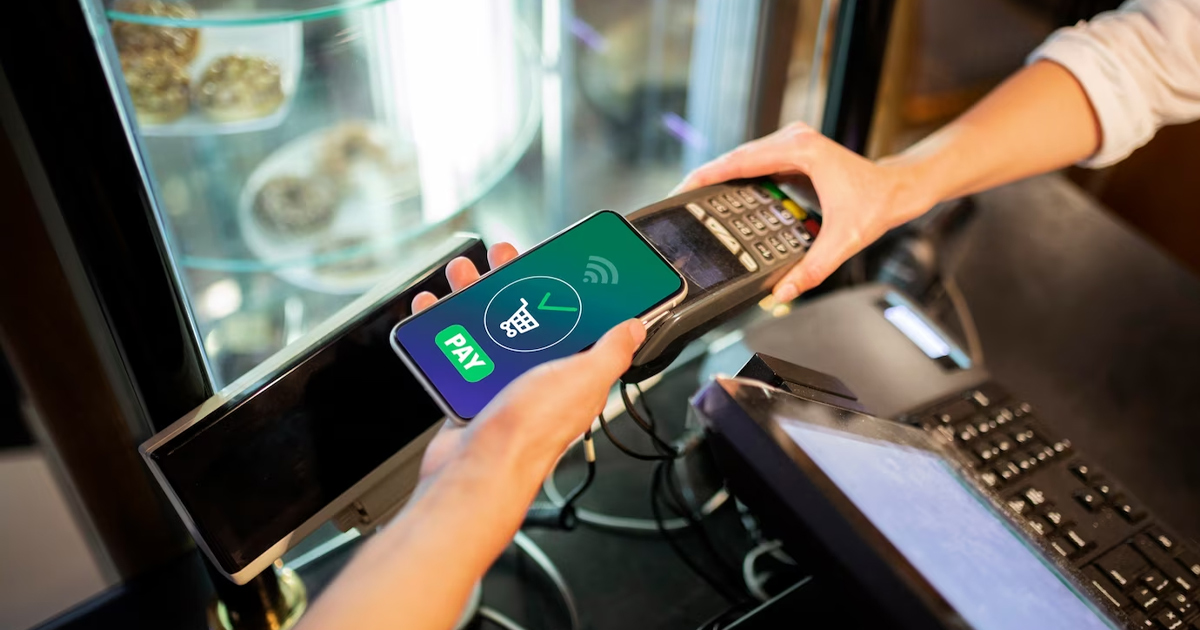

Vietnam digital banking industry is growing significantly as the number of people using mobile financial services continues to grow. People across all age groups embracing this kind of banking. From using QR codes to pay for coffee to making instant money transfers, digital banking has become a reality for millions of citizens.
Technology Enables Digital Payment Growth
There are various reasons that make the adoption of digital payments in Vietnam viable.
- Firstly, the country boasts a young and technology-savvy population that easily adapts to new technologies.
- Additionally, the majority of the population own smartphones, making digital banking accessible in both urban and rural areas.
- The quality of internet connectivity in the country has also improved remarkably. Today, the entire country is connected via fast mobile networks, making transactions possible even in remote areas. This means that all citizens, regardless of their location, are able to access banking services that were previously unavailable.
Cashless Payment Through QR Codes
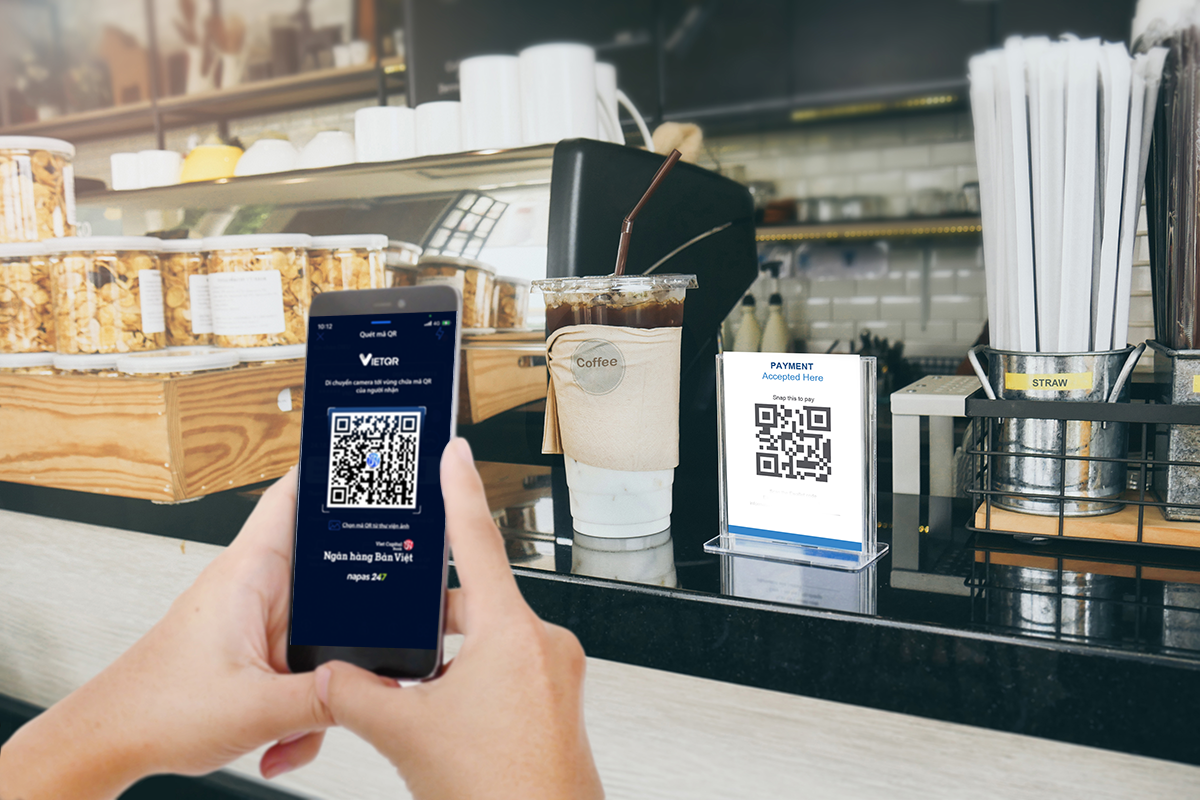
In Vietnam, the use of cashless payment systems is increasing through the use of QR codes. Now a person can find a QR code everywhere he or she goes, from a restaurant to a street food vendor.
The government is encouraging the use of digital payment systems through standardization. The National QR Code Standard allows users to make payments across various banks through a single QR code. This has made digital payment systems more convenient for people to use in their daily lives.
Mobile Banking Expands Financial Access
Digital banking increases financial access in Vietnam. Today, many individuals who never accessed physical banking services use mobile banking frequently. This increases the number of individuals who access banking services.
Furthermore, digital banking increases financial inclusion. Generally, individuals who use digital banking services are more financially included than others. This is because digital banking encourages individuals to explore various financial instruments such as savings accounts, investments, and insurance products through user-friendly interfaces.
Challenges Exist
However, challenges still persist. For example, in rural areas, customers may experience difficulties in connecting to the internet or may be lacking in smartphone literacy skills. Elderly customers may be confused by mobile applications and may prefer traditional banking services.
The issue of security is another aspect that banks need to focus on. Although banks provide robust security systems such as biometric scanning, fraud is still prevalent. It is crucial to educate customers on how to avoid fraud in order to build trust.
A Lasting Shift In Banking
The success of digital banking in Vietnam has proven that convenience and accessibility are far more important than traditional banking. Once people have experienced instant funds transfer, 24/7 banking, and user-friendly interfaces, they will not tend to go back to the old ways.
Ever wondered about other financial innovations and technologies in Vietnam as well as Asia? Find out about other adoption of fintech and digital banking. Visit RiseAsia to learn about technology and economic trends shaping Asia’s future.