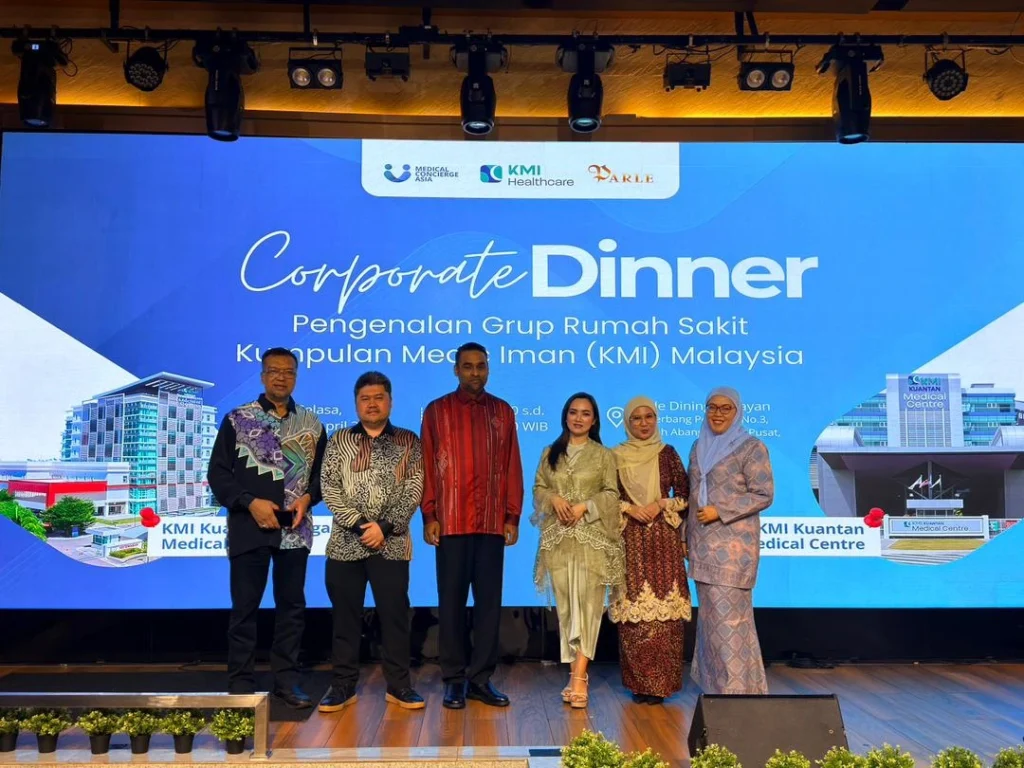

Malaysia’s healthcare sector continues to grow beyond its borders. More providers are now reaching out to regional markets as demand for cross-border treatment increases.
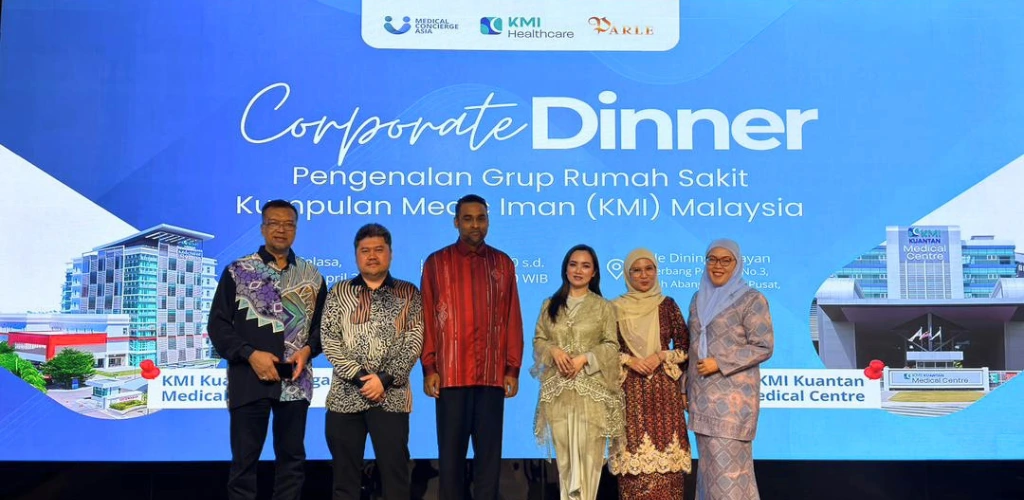
The KMI Healthcare Indonesia expansion is one of the latest moves in this direction. Through a recent visit to Jakarta, the group is building partnerships to improve access for Indonesian patients seeking treatment in Malaysia.
KMI Healthcare’s visit focused on connecting with insurance companies and third-party administrators (TPAs).
These organisations play an important role in managing healthcare access and claims. By working closely with them, KMI aims to make the process smoother for patients who need treatment abroad.
This includes exploring panel agreements, where insured patients can access services under approved coverage plans.
The move is part of a larger strategy to expand Malaysia’s health tourism sector.
KMI Hospitals is positioning itself as a key provider, especially on the East Coast. The goal is to offer structured services that make it easier for international patients to plan and receive treatment.
Indonesia remains a key market. Many patients look for second opinions, specialised care, and elective procedures outside their home country.
By strengthening referral networks, KMI hopes to improve both access and confidence among these patients.
Beyond partnerships, KMI is also focusing on service quality.
The group offers a wide range of medical specialties supported by modern facilities and strong nursing care. At the same time, it aims to provide a more personalised and patient-friendly experience.
This combination is important for international patients, who often look for both quality treatment and smooth coordination.
One of the main challenges in health tourism is coordination.
Patients need clear information, proper coverage, and support throughout their journey. By working with TPAs and insurers, KMI is helping to simplify these steps.
This makes it easier for patients to travel, receive treatment, and manage their healthcare costs.
Healthcare travel in Southeast Asia continues to expand.
As demand rises, providers are looking beyond local markets. Collaboration between countries is becoming more important in meeting patient needs.
KMI’s initiative reflects this trend. It shows how healthcare providers are adapting to serve a wider regional audience.
For Malaysia, this strengthens its position as a healthcare destination.
By building stronger links with neighbouring countries, the industry can attract more patients while supporting economic growth.
It also encourages higher standards in service, as providers compete to meet international expectations.
If you are exploring how industries are expanding across borders, healthcare is one sector showing strong regional growth. Understanding these shifts can help you see where new opportunities are emerging.
Visit RiseAsia for more insights on business, growth opportunities, and real stories across Asia.
It focuses on building partnerships in Indonesia to support international patients seeking treatment in Malaysia.
Many Indonesian patients look for specialised care and treatment options abroad, making it a key market for health tourism.
It improves access, simplifies insurance processes, and offers better support for cross-border healthcare.