Singapore has made significant progress in encouraging households to recycle, but new figures suggest the country’s biggest waste challenge may no longer be public participation but it is what happens after recyclable materials enter the system.
According to the National Environment Agency (NEA), 78% of households say they recycle regularly. Yet despite years of awareness campaigns, Singapore’s domestic recycling rate has remained at just 11%, highlighting the growing need for new approaches to waste reduction.
Rather than focusing solely on improving recycling rates, some businesses are now exploring ways to prevent waste from entering the recycling system in the first place. This shift reflects a broader move towards circular economy practices that keep materials in use for longer while reducing pressure on waste management infrastructure.
Singapore’s recycling ecosystem faces several challenges beyond household participation.
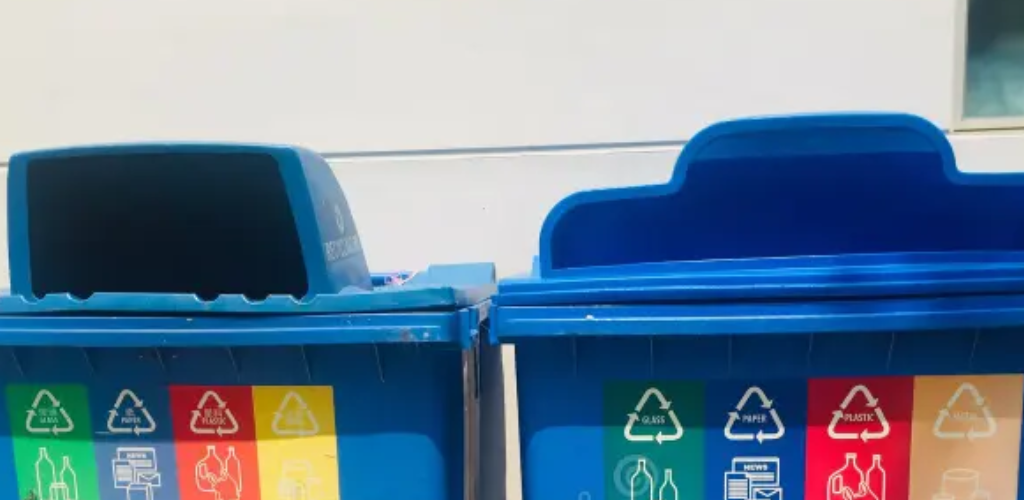
One of the biggest issues is contamination. Around 40% of materials placed in neighbourhood blue recycling bins contain food or liquid residue, making them unsuitable for recycling. Once contaminated, entire batches of recyclable materials often have to be sent for incineration instead.
The country also relies heavily on overseas processing for many recyclable materials. Rising transportation costs, fluctuating commodity prices and contamination reduce the commercial value of recyclables, making it increasingly difficult to maintain an efficient recycling system.
With Semakau Landfill expected to reach capacity by 2035, Singapore is placing greater emphasis on developing a circular economy that reduces waste before disposal becomes necessary.
As the conversation evolves, businesses are beginning to rethink where sustainability efforts should begin.
Instead of asking how waste can be recycled more effectively, many companies are now examining how waste can be prevented at its source through better operational design, product choices and resource management.
This approach aligns with circular economy principles, where materials remain in productive use for as long as possible rather than following the traditional “take, use and dispose” model.
For many small and medium-sized enterprises (SMEs), these strategies also create opportunities to improve operational efficiency while supporting environmental goals.
Singapore-based Co+Nut+ink offers one example of how circular thinking can be applied in everyday business operations.
Founded in 2013 after founder Lawrence Tang spent two years learning the craft of coconut ice cream in Bangkok, the company has grown from a single outlet in Sentosa to flagship locations at Gardens by the Bay and Esplanade.
Alongside its business expansion, Co+Nut+ink has developed a closed-loop system that collects coconut husks directly from its outlets before they enter Singapore’s general waste stream.
By intercepting the waste at its source, the company avoids many of the contamination issues that affect conventional recycling channels.
Singapore-based Co+Nut+ink offers one example of how circular thinking can be applied in everyday business operations.
Founded in 2013 after founder Lawrence Tang spent two years learning the craft of coconut ice cream in Bangkok, the company has grown from a single outlet in Sentosa to flagship locations at Gardens by the Bay and Esplanade.
Alongside its business expansion, Co+Nut+ink has developed a closed-loop system that collects coconut husks directly from its outlets before they enter Singapore’s general waste stream.
By intercepting the waste at its source, the company avoids many of the contamination issues that affect conventional recycling channels.
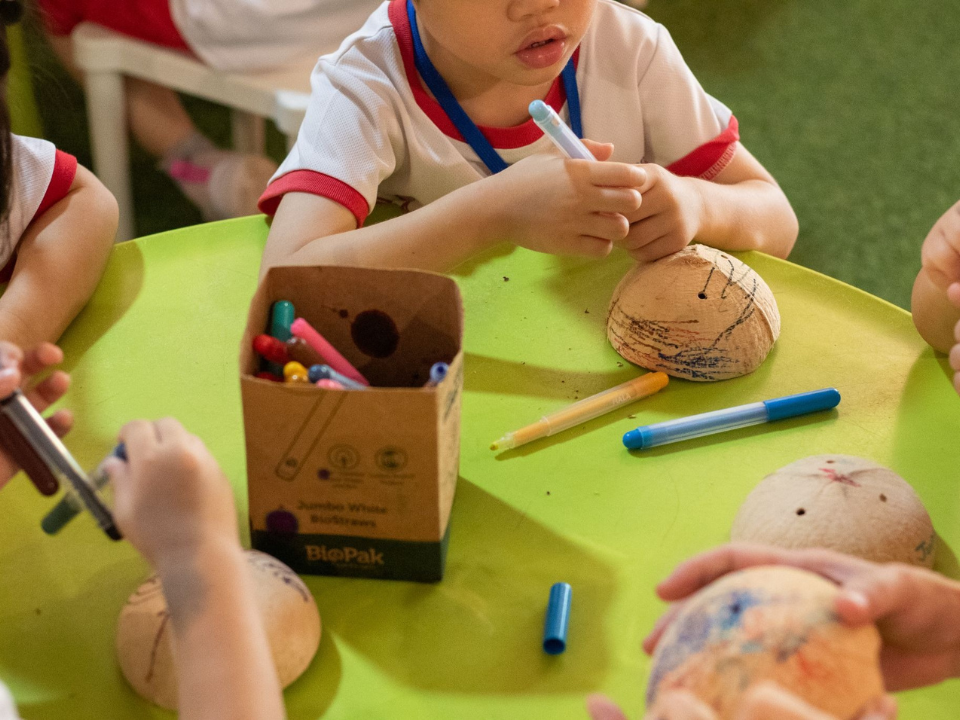
Rather than treating coconut husks as disposable waste, the company repurposes them through its Eco-cational Programme.
The initiative works with schools, children and community groups, transforming discarded coconut husks into educational materials for hands-on activities focused on sustainability, waste reduction and circular design.
The programme introduces participants to practical environmental concepts while demonstrating how everyday materials can be reused instead of discarded.
It also highlights how businesses can contribute to sustainability beyond their core commercial activities by engaging directly with local communities.
Interestingly, Co+Nut+ink’s sustainability journey began with a business challenge rather than an environmental one.
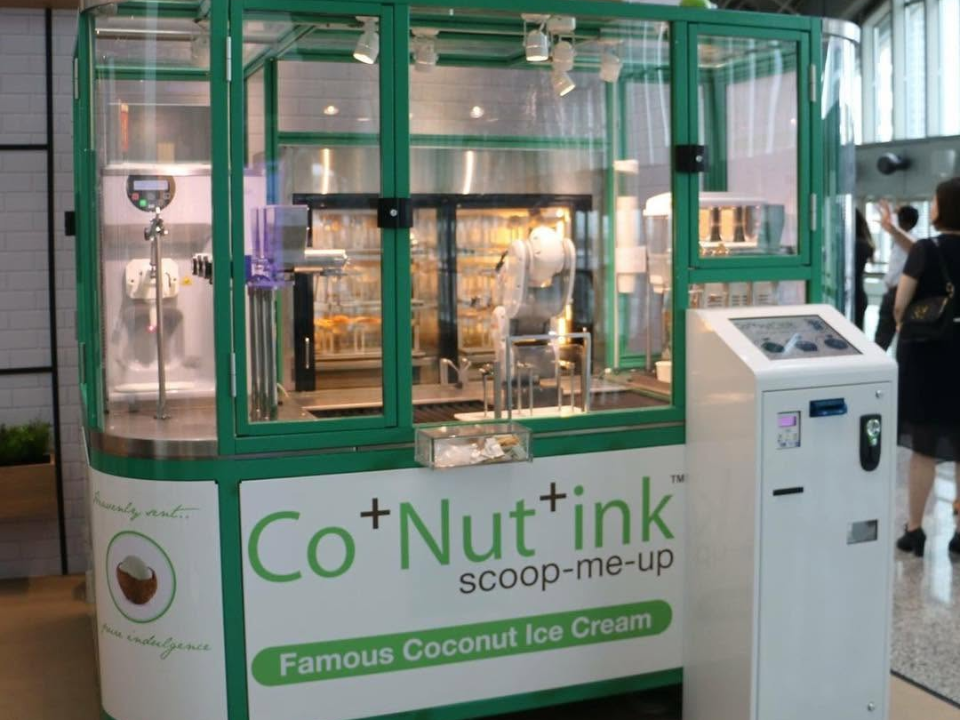
Like many food and beverage businesses, the company faced rising labour costs and increasing manpower shortages. To improve efficiency, it developed what it describes as the world’s first automated robotic coconut ice cream kiosk, automating repetitive front-of-house operations.
The productivity gains created through automation allowed the company to invest additional resources into its circular economy initiatives.
This demonstrates how technology can help SMEs improve operational performance while creating opportunities to adopt more sustainable business practices.
Singapore’s waste management system will continue facing pressure as population growth, urbanisation and consumption increase.
While recycling remains an important part of the solution, businesses are increasingly recognising that reducing waste at its source can deliver greater long-term environmental and economic benefits.
By redesigning operations, improving resource efficiency and finding new uses for existing materials, companies can reduce disposal costs, strengthen sustainability efforts and contribute to Singapore’s Zero Waste ambitions.
Although no single company can solve the country’s waste challenges alone, practical examples from SMEs show that innovation and sustainability can work together to create meaningful change.

Across Asia, businesses are finding innovative ways to reduce waste, improve resource efficiency and build more sustainable communities. RiseAsia highlights inspiring stories of companies, entrepreneurs and innovators driving practical solutions that support economic growth while protecting the environment.
Explore more stories on sustainability, innovation and community development at www.riseasia.com.
Although many households recycle, contamination from food and liquid waste means a significant portion of recyclable materials cannot be processed and is instead incinerated.
A circular economy focuses on reducing waste by keeping materials in use for as long as possible through reuse, repair, recycling and better product design.
The company collects coconut husks from its outlets before they enter the waste stream and repurposes them for educational programmes while using automation to improve operational efficiency and support its circular economy initiatives.