
REHDA Youth Initiative 2026
Learning & SkillsWorkforce Upskilling

REHDA Institute Youth Initiative 2026 Connects Students With Industry

URL copied
Share URL copied

For many students, the biggest question is not passing exams. It is what comes next.

Graduating is one step. Understanding how to fit into the working world is another. This is where the REHDA Institute Youth Initiative 2026 is trying to make a difference.

When Classroom Learning Meets Real Industry

REHDA Youth Initiative 2026

Instead of waiting until graduation, this programme brings students into the conversation earlier.

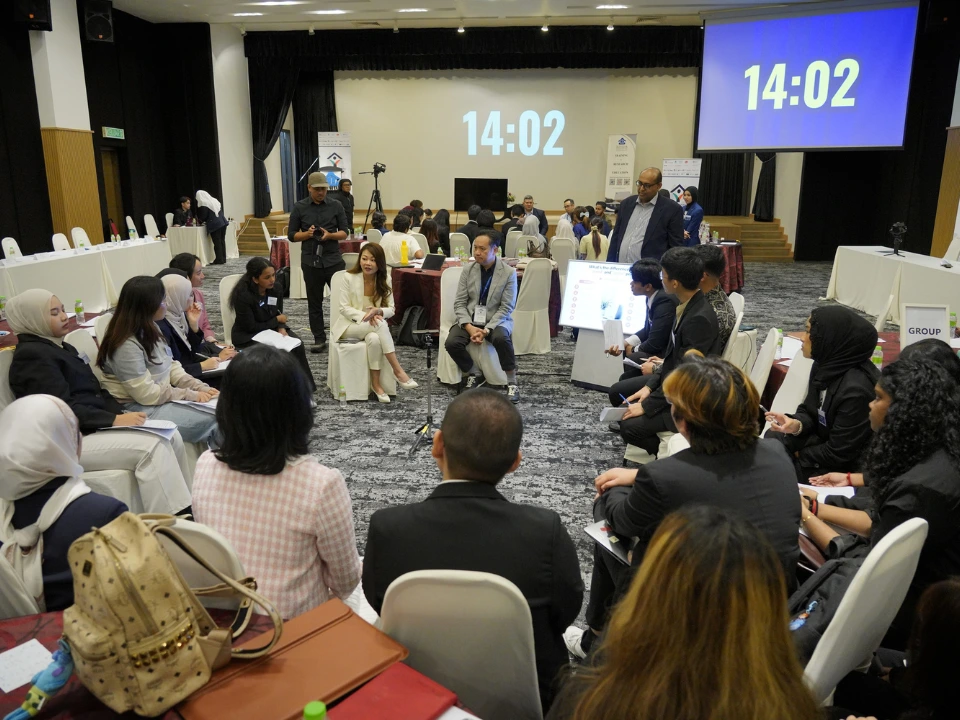
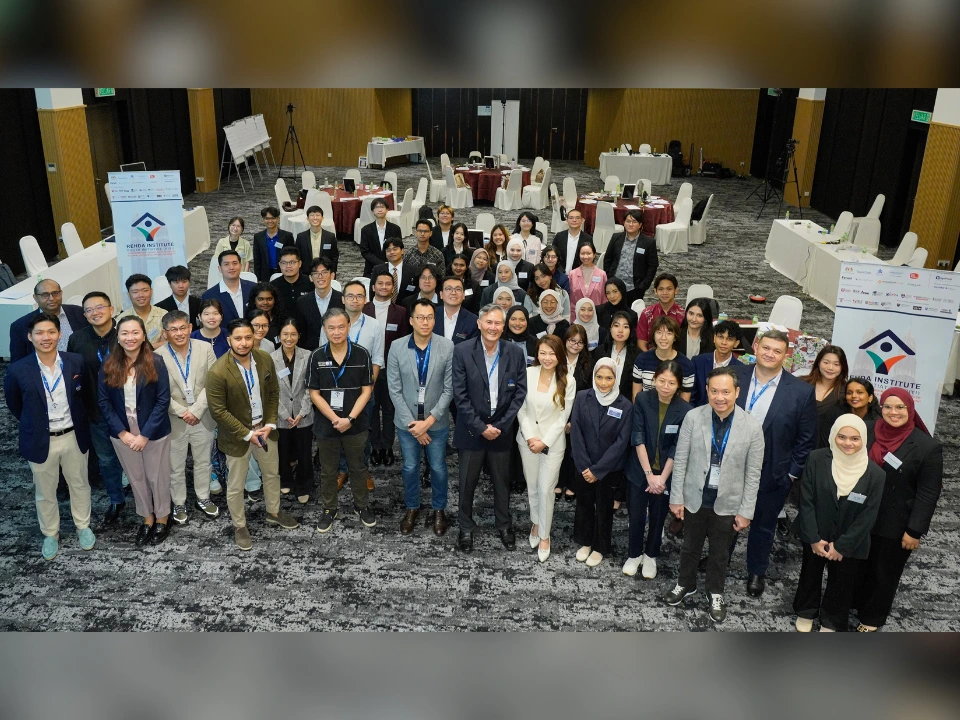
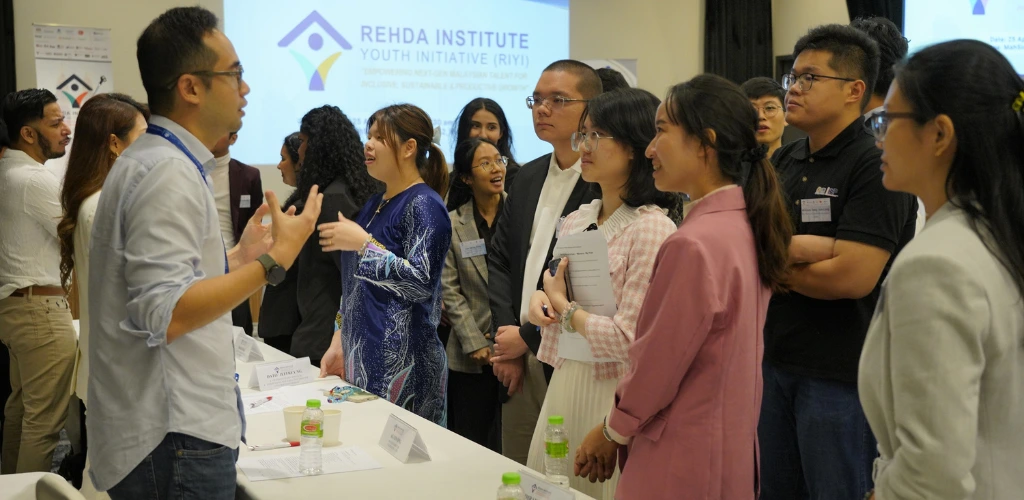
Its first mentorship session gathered around 50 students from universities across Malaysia. But more importantly, it placed them in direct discussions with industry leaders.

These sessions are not lectures. They are conversations about real expectations, real challenges, and how careers actually develop over time.

For many students, this is the first time they see how their studies connect to actual roles.

A Wider Issue Beyond One Programme

This initiative comes at a time when Malaysia is facing a deeper challenge.

While graduate unemployment has improved, many are still working in jobs that do not match their qualifications. More than 1.6 million graduates fall into this category.

This is not just about jobs. It is about alignment in between what is taught and what is needed.

Programmes like this do not solve everything. But they help students adjust earlier, before entering the workforce.

Building Confidence Before the First Job

One key idea behind the programme is simple, exposure builds confidence.

When students understand workplace expectations earlier, they make better decisions. They prepare differently. They ask better questions.

The REHDA Institute initiative spreads this learning across three sessions in 2026. Each one builds on the last, moving from basic awareness to long-term career thinking.

Instead of rushing into work unprepared, students get time to grow into it.

Why the Built Environment Sector Matters

The programme focuses on the built-environment sector, which includes construction, property, and related industries.

This sector already employs over 300,000 graduates and supports more than 140 related industries. It plays a quiet but important role in Malaysia’s economy.

Preparing talent for this space is not just about filling roles. It is about keeping projects moving and industries growing.

A Shared Responsibility Between Industry and Universities

What stands out in this initiative is the collaboration.

Universities are not working alone. Industry players are stepping in to guide, mentor, and share their expectations.

This creates a more connected system. Students are no longer learning in isolation. They are learning with direction.

For companies, it also means shaping future talent earlier, instead of reacting later.

Looking at the Bigger Picture

REHDA Youth Initiative 2026

Efforts like this reflect a broader shift in how talent development is approached.

It is no longer enough to focus only on academic results. Employers are looking for adaptability, communication, and real-world awareness.

By creating earlier touchpoints between students and industry, programmes like RIYI help build these qualities over time.

What Comes Next for Students

The next sessions in June and September will continue the journey. Topics will move into productivity, career growth, and leadership.

For students involved, this is more than a programme. It is a preview of working life.

And for Malaysia, it is part of a longer effort to prepare a workforce that is not just qualified, but ready.

Discover More

If you are exploring how education and industry are coming together to shape future talent, these shifts are worth watching. They reflect how economies prepare for long-term growth.

Visit RiseAsia for more insights on business, growth opportunities, and real stories across Asia.

FAQs

1. What is the REHDA Institute Youth Initiative 2026?

It is a mentorship programme that connects university students with industry leaders to improve career readiness.

It helps reduce the gap between academic learning and real workplace expectations.

Students gain early exposure, clearer career direction, and better understanding of industry needs.