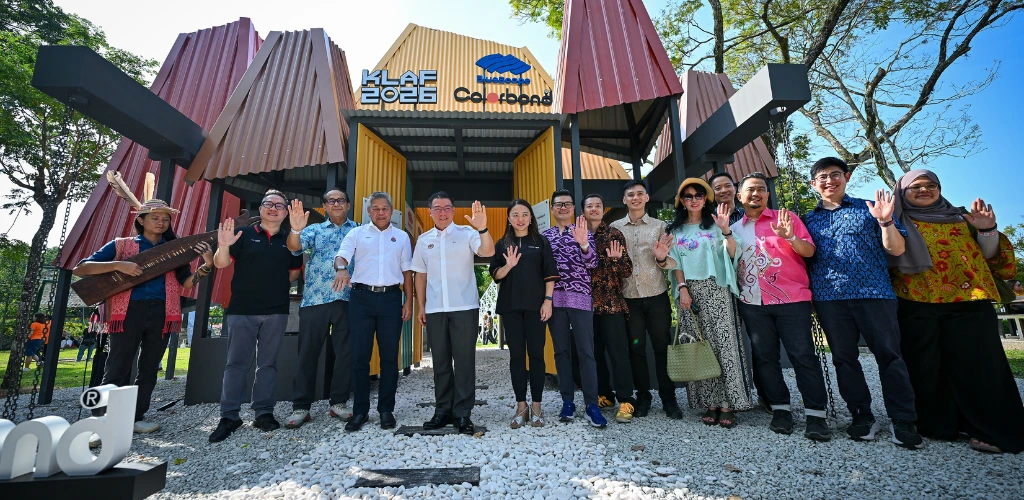
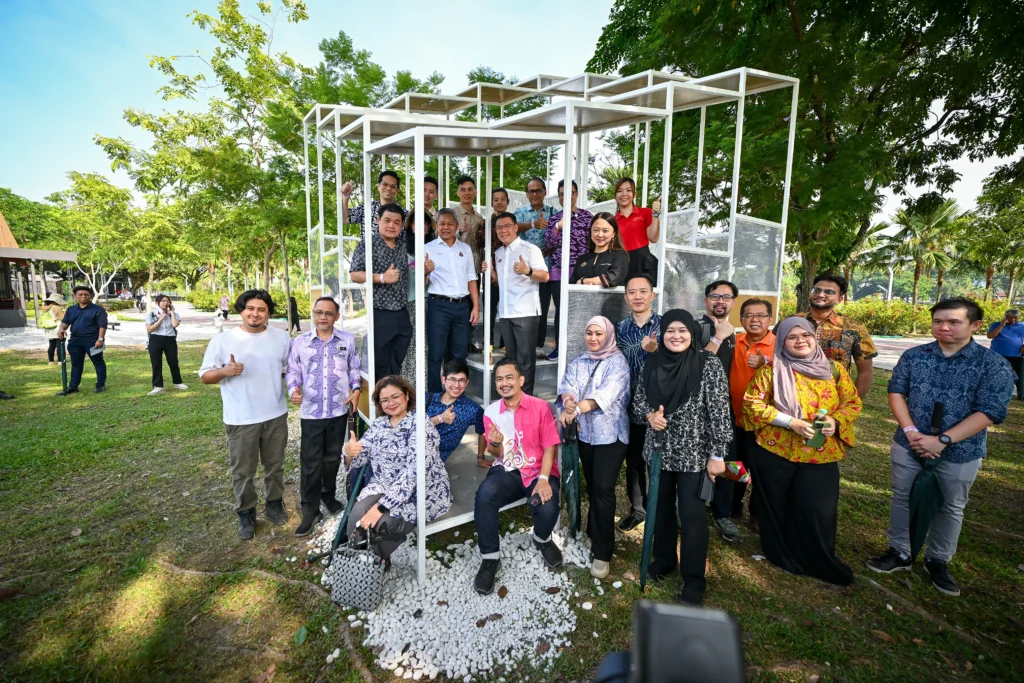
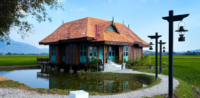
Kuala Lumpur Architecture Festival 2026 (KLAF2026)’s flagship public programme, the Tropical Fruit Pavilion, has opened at Titiwangsa Park, bringing Malaysia’s tropical heritage to the fore.
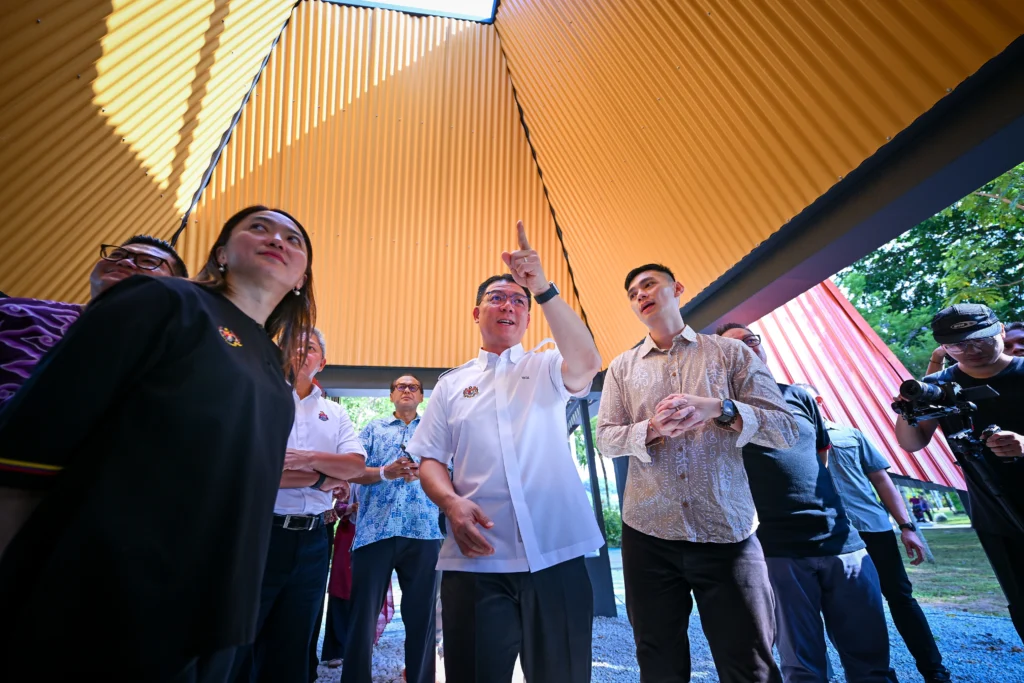
The installation translates iconic features of Malaysia’s tropical landscape into an immersive spatial experience. Launched officially by Minister of Housing and Local Government YB Nga Kor Ming, the experiences encourage the public to engage with culture, design and public spaces in a meaningful way.
The pavilion is part of KLAF2026’s year-long Future Culture theme, which explores how architecture can affect the relation between communities, cities and cultural identity.

The Tropical Fruit Pavilion takes its inspiration from the lush flora and tropical climate of Malaysia, translating local cultural references into a contemporary architectural vocabulary.
The programme features seven curated pavilions, designed in collaboration with KLAF2026 partners, including BlueScope and Nippon Paint. Each installation explores ecology, heritage and public life, and encourages visitors to engage with architecture beyond the traditional built form.
Located in one of Kuala Lumpur’s most popular urban parks, the exhibition offers an accessible platform for people from all walks of life to engage with design.
Highlight of the programme is the inclusion of the five winning entries of the Titiwangsa Pavilion Competition.
The competition offered a platform for up-and-coming architects and designers to re-imagine Malaysia’s tropical identity through innovative public installations. Their proposals show how architecture can embrace cultural storytelling and contemporary urban experience.
The move is an attempt to raise the bar for Malaysia’s annual pavilion programme by drawing inspiration from the world’s prestigious architectural exhibitions, organisers said.
KLAF2026 still presents architecture as a common culture, not only as a discipline for the industry professionals.
As part of the festival, exhibitions, public installations, conferences, dialogues and community programmes will be presented throughout the year to encourage greater public participation in discussions around cities and the built environment.
An example of this approach is the Tropical Fruit Pavilion that integrates architecture into everyday public spaces so that visitors can experience design firsthand.
The pavilion programme is also a prelude to DATUM Conference 2026, KLAF’s international flagship architecture event which will be held at MITEC from 29 July to 1 August 2026.
The conference will bring together internationally renowned architects, designers and urban thinkers to discuss how architecture, technology and culture can contribute to more resilient and future-proof cities.
Featured participants include representatives from Zaha Hadid Architects, Neri&Hu Design and Research Office, Andra Matin Architect, Grant Associates and AgiBot.
Tropical Fruit Pavilion, Titiwangsa Park, is open to the public until December 2026.
Visitors will be able to engage with the installations and develop a deeper understanding of how architecture can interpret local culture, enhance public engagement and contribute to more vibrant urban environments.
In Asia architecture is increasingly being employed to strengthen cultural identities, to activate public spaces and to create more inclusive urban experiences. Innovative city projects and community design efforts are changing the way people relate to their environment.
For more stories on architecture, culture and urban development across the region, visit RiseAsia.
The Tropical Fruit Pavilion is a public architectural installation programme presented as part of KLAF2026 at Titiwangsa Park in Kuala Lumpur.
The pavilion will remain open to visitors until December 2026.
KLAF2026, or Kuala Lumpur Architecture Festival 2026, is a year-long festival featuring architecture exhibitions, installations, conferences, and public programmes under the theme “Future Culture”.