Women-led Ecotourism
RISEWomen in Business

Women-Led Ecotourism Builds Sustainable Growth in Sulawesi

URL copied
Share URL copied

As Southeast Asia’s tourism industry evolves, more travellers are looking for experiences that support local communities, protect nature, and create meaningful social impact.

In South Sulawesi, Indonesia, one village is demonstrating how community-led tourism can do exactly that. Through environmental restoration, grassroots participation, and women-led initiatives, Tukamasea Village has transformed a local challenge into a model for sustainable development.

The story offers valuable lessons for communities across the region, including Malaysia, where interest in ecotourism and community-based travel continues to grow.


Turning Challenges Into Opportunities

Women-led Ecotourism

The village’s transformation began after severe flooding in 2024 damaged farmland and affected livelihoods across the community.

Rather than viewing the disaster as an isolated event, residents began exploring ways to address the root causes while creating new economic opportunities. This led to stronger community participation in village planning and environmental programmes.

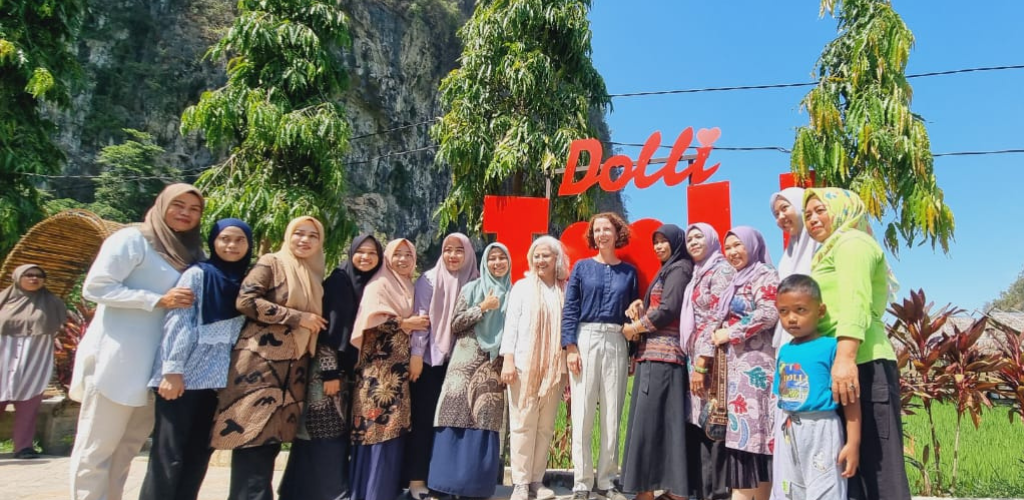
At the centre of these efforts is the Budget Reading Group (KBA), a community collective where women play a leading role. Of its 15 members, 13 are women who actively contribute to development planning and local decision-making.

Women Leading Environmental Action

Women-led Ecotourism

Following the floods, community members pushed for initiatives such as tree planting, river rehabilitation, and land restoration projects.

Their advocacy helped secure village funding for environmental and tourism-related improvements, while training programmes provided residents with greater understanding of sustainable development planning and budget allocation.

The result has been stronger transparency, increased community participation, and development projects that better balance environmental protection with social and economic needs.

Tourism Creates Benefits Beyond Visitors

One of the village’s most visible achievements has been the growth of Dolli Tourism, a community-managed destination developed through village investment and local participation.

The initiative now generates income for the village while creating jobs and opportunities for local businesses, including women-led micro-enterprises operating around the tourism site.

Revenue from tourism has also supported community programmes, including educational assistance for hundreds of students from underprivileged families.

A Model for Sustainable Development

Women-led Ecotourism

For Tukamasea residents, environmental conservation and economic growth are not competing priorities. Instead, they have become part of the same long-term strategy.

The village’s experience highlights how local communities can use tourism as a tool to strengthen livelihoods while protecting natural resources for future generations.

As countries across Southeast Asia continue exploring sustainable development pathways, Tukamasea offers an example of how women, communities, and environmental stewardship can work together to create lasting impact.

Why Community-Based Tourism Matters

Community-based tourism is gaining attention across the region as travellers increasingly seek authentic experiences that directly benefit local communities.

Projects like Tukamasea demonstrate how tourism can go beyond visitor numbers and become a platform for conservation, inclusion, education, and economic resilience.

The village’s success also reinforces the important role women continue to play in shaping more sustainable and inclusive local economies.

Discover More Stories Driving Sustainable Change Across Asia

From environmental conservation and community development to innovation and social impact, RiseAsia highlights the people and initiatives helping shape a more sustainable future for the region.

Explore more stories at https://riseasia.com.

FAQs

1. Where is Tukamasea Village located?

Tukamasea Village is located in South Sulawesi, Indonesia.

KBA is a grassroots community group that encourages citizen participation in village planning, budgeting, and environmental initiatives.

Tourism generates income, creates jobs, supports women-led businesses, and helps fund community programmes such as education and environmental conservation.