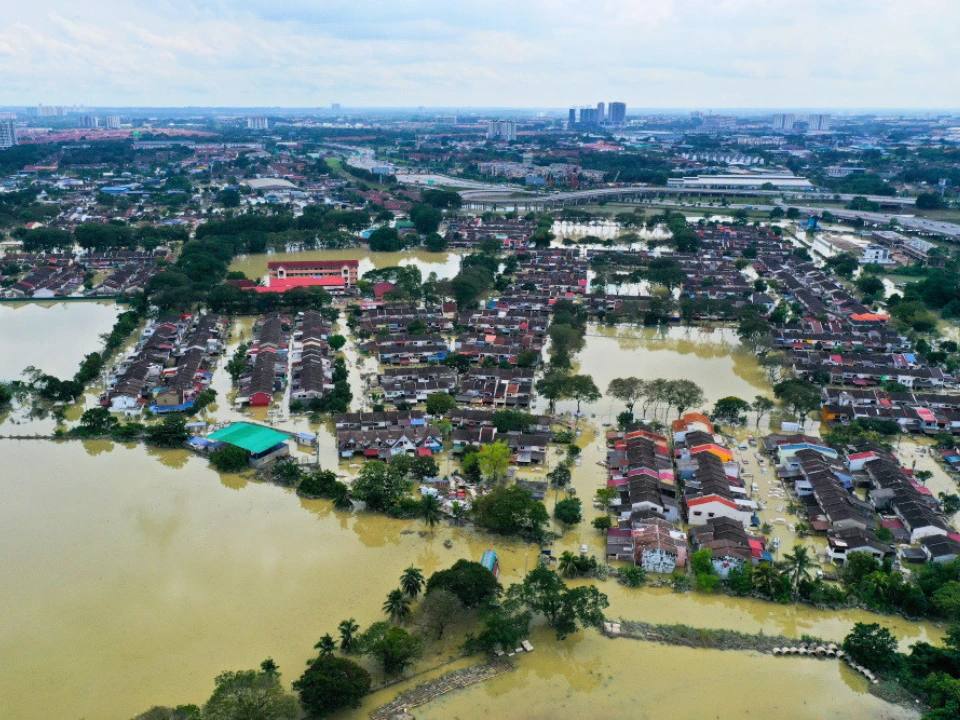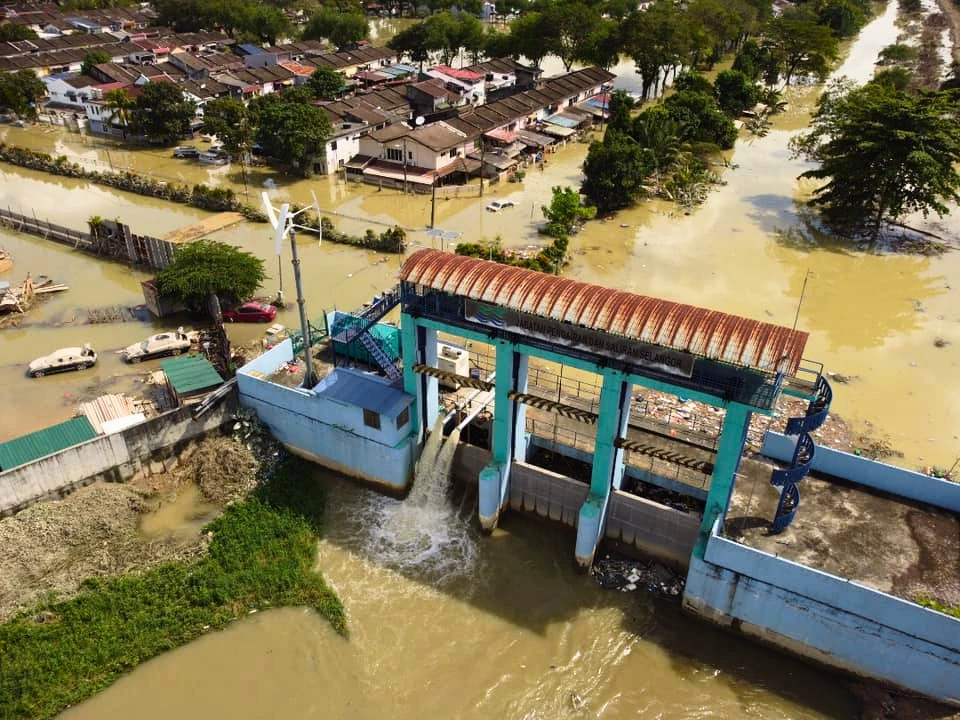

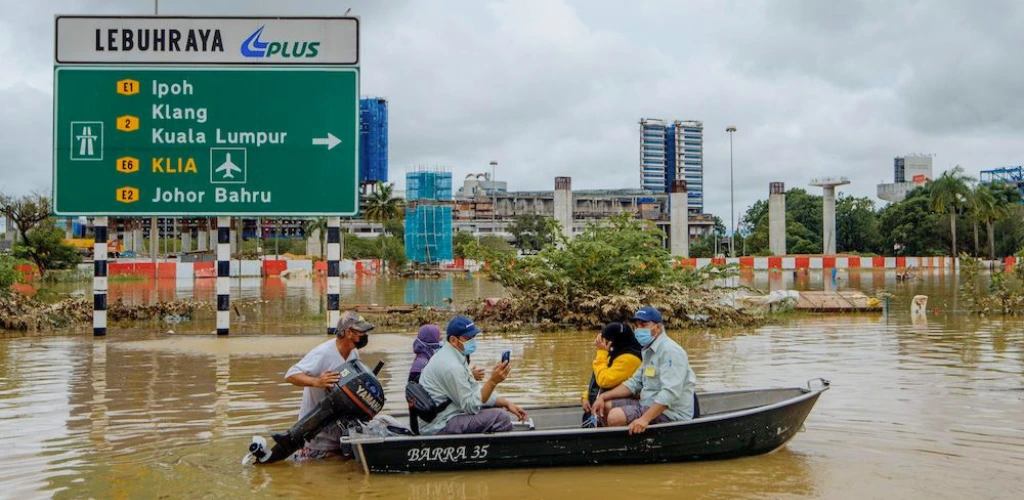
Flooding in Malaysia is no longer only an environmental issue. Increasingly, it is becoming a financial and economic challenge that affects businesses, infrastructure, investments, and long-term development planning.
The Institute of Chartered Accountants in England and Wales (ICAEW) Malaysia says the country needs to start treating flood resilience as a capital markets and investment priority rather than relying only on reactive public spending.
Malaysia continues to face recurring flood events that disrupt transport, damage homes, and interrupt business activity across multiple states.
While the physical destruction is often visible, the long-term financial impact is less obvious. Flood-related disruptions affect supply chains, insurance exposure, productivity, and property values, creating wider economic consequences over time.
As climate risks become more frequent and complex, experts believe traditional flood management approaches may no longer be enough.
The recent launch of the Securities Commission Malaysia’s River Flooding Adaptation & Resilience (RIFAR) Challenge reflects a growing shift in how climate resilience is being viewed.
Instead of focusing only on engineering and emergency response, the initiative highlights the importance of investment frameworks, capital markets, and sustainable financing in addressing flood risks.
According to ICAEW Malaysia, resilience planning must move beyond awareness and become part of long-term economic and financial decision-making.
The RIFAR Challenge encourages students to develop practical and interdisciplinary solutions around river flooding and climate adaptation.
The programme includes two tracks. The Sprint focuses on public communication and awareness, while the Marathon challenges participants to create integrated flood mitigation ideas for Taman Sri Muda in Shah Alam.
Participants are expected to combine sustainability, finance, engineering, and policy thinking to create solutions that are scalable and financially viable.
Globally, climate resilience is increasingly being viewed as an investment opportunity rather than only a government responsibility.
Malaysia faces growing pressure to strengthen how resilience projects are funded and sustained over time, especially as climate-related disruptions continue affecting urban communities and infrastructure systems.
The discussion is no longer only about responding to floods after they happen. It is increasingly about whether the country is financially prepared for long-term climate adaptation.
As climate challenges become more complex, stronger collaboration between finance, sustainability, infrastructure, and policy sectors will become increasingly important.
Initiatives like the RIFAR Challenge highlight how Malaysia is gradually shifting towards more integrated approaches that connect environmental resilience with economic planning and long-term investment thinking.
For more updates on sustainability, infrastructure, and economic development trends across Asia, visit RiseAsia.
The RIFAR Challenge is an initiative by the Securities Commission Malaysia focused on flood resilience and climate adaptation solutions.
Flooding affects infrastructure, businesses, investments, insurance exposure, and long-term economic stability.
Students from various disciplines including finance, engineering, sustainability, and policy are encouraged to participate.